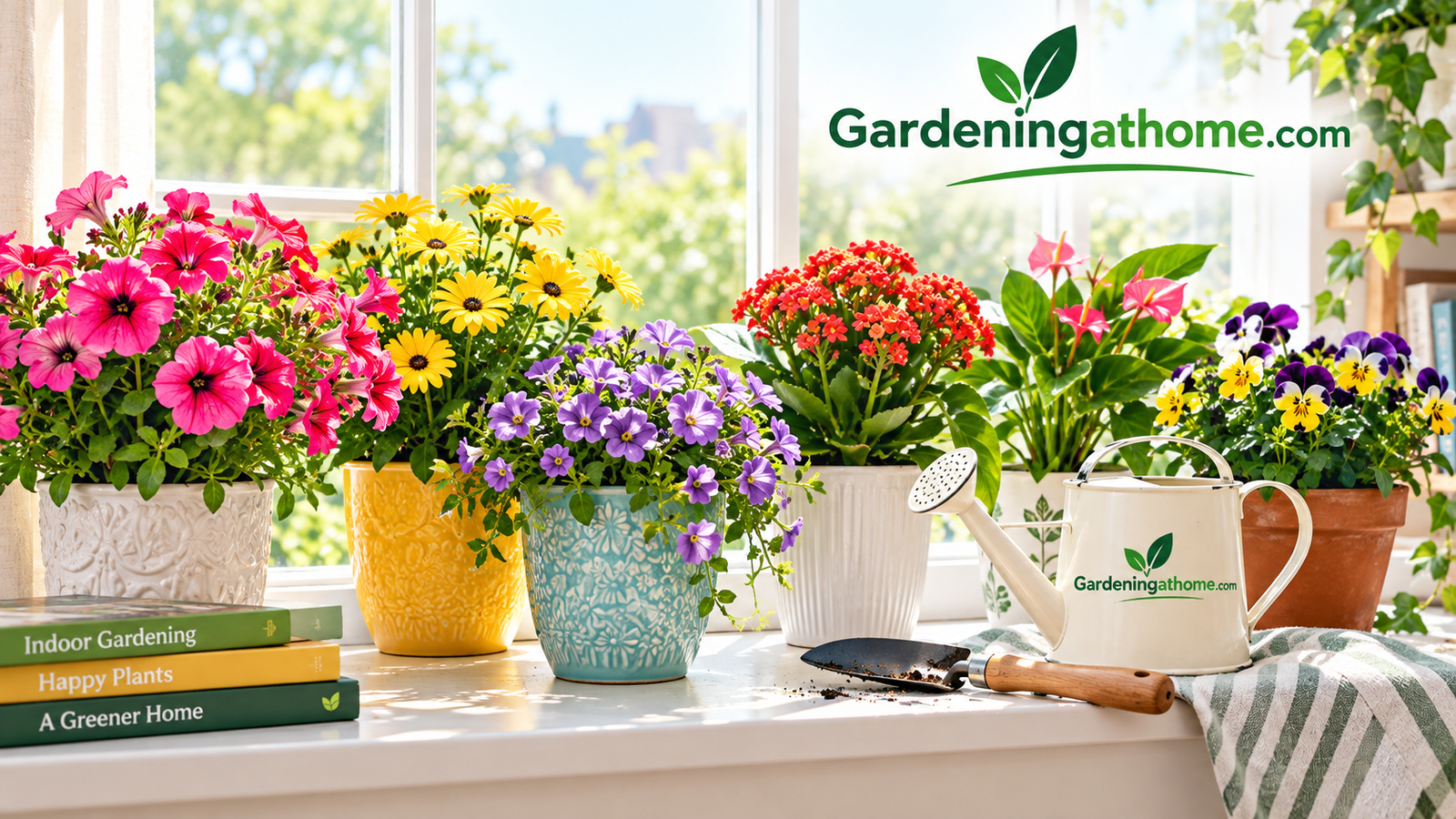
What Flowers Are Good for an Indoor Garden? Easy Blooms for Every Room
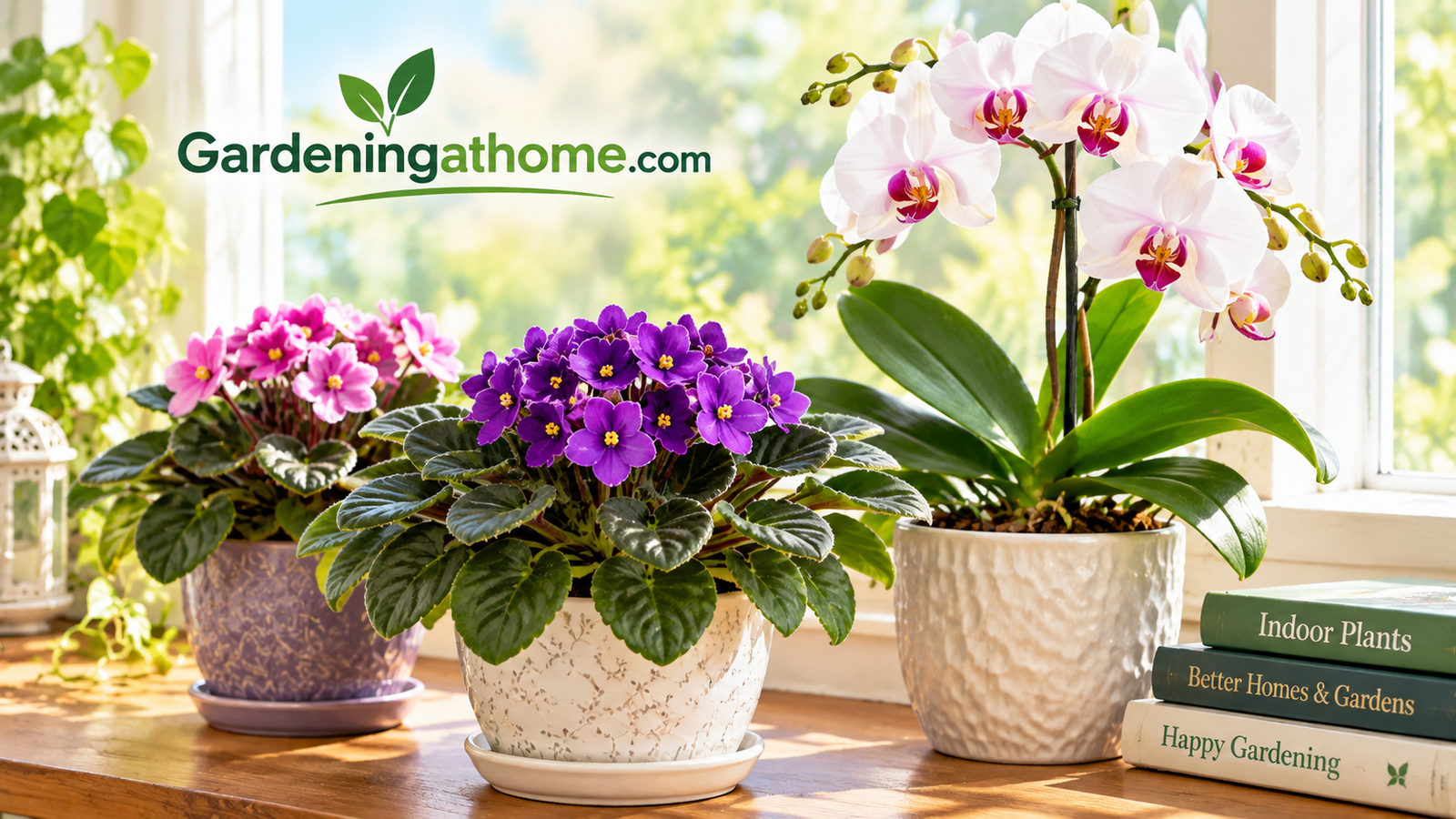
The best flowers for an indoor garden are African violets, moth orchids, peace lilies, begonias, kalanchoe, and anthuriums. They bloom reliably in normal home conditions. Here is how to pick and keep them blooming.
Quick Comparison
| Plant | Light | Difficulty | Bloom Time |
|---|---|---|---|
| African violet | Bright, indirect | Easy | Year-round |
| Phalaenopsis orchid | Bright, indirect | Easy | 2-3 months, repeats |
| Peace lily | Low to medium | Very easy | Spring to fall |
| Begonia | Bright | Easy | Months |
| Kalanchoe | Bright, sunny | Very easy | Weeks to months |
| Anthurium | Bright, indirect | Moderate | Most of the year |
Pros of indoor flowers
- Color all year
- Compact and shelf friendly
- Great for beginners
Cons to plan for
- Need good light
- Regular feeding
- Some are pet-toxic
Why Grow Flowers Indoors?
A windowsill of blooms changes how a room feels. Flowering houseplants add color in the grayest months, soften hard corners, and give you something to look forward to every week. They also teach you to read a plant, which makes you a better gardener overall. If you are just getting started, our guide to gardening at home covers the basics.
The catch is that flowers ask for more than foliage plants do. They need decent light, steady feeding, and a little patience. Choose species that match your conditions and you will get repeat blooms with very little drama.
What Blooms Do for a Room
Flowers do more than decorate. A plant in bloom pulls your eye, and having living color at arm’s reach tends to lift your mood on dark winter afternoons. Many people find that tending a small group of flowering plants becomes a calm daily ritual, something like a five minute pause between tasks.
Flowering Plants vs. Foliage Plants
Leafy houseplants are happy to coast on low light and occasional water. Flowering plants are working harder. Producing buds takes stored energy, so they respond to light, nutrition, and consistent care in a way that foliage plants simply do not. That is not a reason to avoid them. It just means choosing the right species for your home matters more than anything else you do.
How to Choose Wisely
Think about three things before shopping: how bright your best window is, how much time you realistically want to spend, and whether you share the space with pets or small children. A plant that fits those three answers will outperform a fancier one that does not. The rest of this guide walks through the best candidates, what each one needs, and how to keep it flowering season after season.
Ready to start your indoor bloom collection?
Shop Flowering Houseplants on AmazonStart With Your Light
Light decides everything. Before you buy, stand at your window around midday and notice how bright the spot is. East windows give gentle morning sun, south windows are strongest, and north windows are dim. Our primer on full sun versus partial shade translates neatly indoors.
Most flowering plants want bright, indirect light. If your rooms are dim, check our list of the best indoor plants for low light and pair them with a small grow light for the bloomers.
Reading Your Windows
A south-facing window gives the longest stretch of strong light in the northern hemisphere, so it suits sun lovers such as kalanchoe and begonias. East windows give a few gentle hours of morning sun, which is ideal for orchids and African violets. West windows deliver hot afternoon light that can scorch leaves, so soften it with a sheer curtain. North windows stay dim, and only the toughest bloomers like peace lilies will flower there without help.
The Hand Shadow Test
Hold your hand about a foot above the plant at midday. A sharp, dark shadow means strong light. A soft, fuzzy shadow means medium light. If you can barely see a shadow, the spot is too dim for most flowering plants. This takes ten seconds and saves a lot of guesswork.
When to Add a Grow Light
If your best spot still fails the test, a full-spectrum LED bulb on a simple timer works well. Aim for twelve to fourteen hours a day, keep the bulb a hand’s width or more above the leaves, and watch for signs of too much light such as bleached patches. Grow lights are also a quiet hero for winter, when natural daylight shrinks and many plants stop blooming.
A simple grow light can double your bloom time.
Shop Led Grow Light For Indoor Plants on AmazonAfrican Violets: The Classic Windowsill Bloomer
African violets (Saintpaulia) flower almost year-round when happy. They stay compact, fit on a shelf, and come in purples, pinks, whites, and bicolors. Give them bright, indirect light and water from below so the fuzzy leaves stay dry.
Use a light, airy mix and a pot that looks slightly too small, because they bloom best when snug.
Why They Earn Their Place
African violets reward even new growers. A single plant can carry flowers for most of the year, and the clusters come in singles, doubles, ruffled edges, and striped patterns. Because they stay small, you can fit several on one shelf and build a collection without crowding a room.
Light and Placement
Give them bright, indirect light, such as an east window or a spot a few feet back from a south window. Healthy leaves lie flat and look glossy green. If the leaves reach upward, the plant wants more light. If they curl down and look pale or crispy, it is getting too much. Turn the pot a quarter turn each week so growth stays even.
Watering Without Spots
Cold water on the leaves can leave ugly rings. Pour room-temperature water into a saucer, let the plant drink for about twenty minutes, then empty whatever is left. Always let the top of the soil feel slightly dry before watering again. Crown rot from soggy soil is the number one cause of losses.
Feeding and Repotting
Use a balanced fertilizer made for violets at quarter strength with most waterings, or full strength every few weeks. Repot once a year in fresh, light mix, and remove the lowest row of leaves when you do so the plant sits slightly higher on a short neck. Snip faded flowers promptly to encourage new buds.
Pick up a healthy violet or a violet-specific fertilizer.
Shop African Violet on AmazonPhalaenopsis Orchids: Easier Than Their Reputation
Moth orchids are the friendliest orchids for homes. They bloom for two to three months, then rest and flower again. Plant them in bark, not soil, and water only when the roots turn silvery. Clear pots let you check root color at a glance. Learn what a thirsty plant looks like with our guide to the signs of overwatering vs underwatering.
Understanding the Orchid Cycle
A moth orchid blooms, rests, then grows new leaves and roots before flowering again. Many people throw the plant out after the first flowers fade, not realizing it is simply resting. Keep watering and feeding it lightly and new spikes often appear within a few months.
Potting and Roots
These orchids are epiphytes, which means they grow on trees in the wild and need air around their roots. A chunky bark mix in a clear pot with drainage holes gives them what they want. Healthy roots look silver when dry and green when wet. Soft, brown, mushy roots mean the plant has been sitting in water and needs trimming and fresh bark.
Watering Method
Soak the pot in room temperature water for about ten minutes, drain it fully, and return it to its spot. Depending on the season, that may be every week or every two weeks. Never let water pool in the crown of the leaves, because it can cause rot.
Getting a Rebloom
After the last flower drops, trim the spike just above a node (the small bump) on a green stem, or cut it to the base if it has turned brown. A cooler night temperature for three or four weeks, about ten degrees lower than daytime, helps trigger a new spike. Fertilize weakly every other watering while the plant is actively growing.
Find an orchid and the bark mix it prefers.
Shop Phalaenopsis Orchid on AmazonPeace Lily: Reliable and Forgiving
Peace lilies produce white spathes even in moderate light and they droop dramatically when thirsty, which makes watering easy to time. They are also on our list of indoor plants that purify the air. Keep them away from pets that chew leaves, since they are toxic if eaten.
A Plant That Tells You What It Needs
The peace lily is a great teacher because it droops visibly when thirsty and bounces back within hours after a drink. That makes it very easy to learn the rhythm of watering. Try not to wait for dramatic wilting every time, since repeated stress can brown the leaf tips.
Light and Blooms
It tolerates low light, but it flowers best in medium to bright indirect light. If your plant stays green but never makes white spathes, move it closer to a window or add a grow light. Avoid direct afternoon sun, which can scorch the leaves.
Care Notes
Water when the top inch of soil is dry and use water that has sat out overnight if your tap water is heavily treated. Brown tips often come from fluoride, salts, or dry air. Wipe the leaves with a damp cloth every few weeks to keep them glossy and efficient at absorbing light. Feed monthly during spring and summer with a balanced fertilizer.
Safety
Peace lilies contain calcium oxalate crystals that irritate the mouth of pets and children if chewed. Keep them on a high shelf if that is a concern in your home.
Add a peace lily to a shadier corner.
Shop Peace Lily Plant on AmazonBegonias: Color That Lasts
Wax begonias and rieger begonias flower for months and tolerate average indoor humidity. Give them bright light, let the top inch of soil dry between waterings, and pinch off spent blooms. Tuberous types are showier but go dormant in winter.
Choosing the Right Type
Wax begonias are compact and bloom constantly, making them perfect for a bright kitchen sill. Rieger begonias, also called elatior, produce large, rose-like flowers and are often sold as seasonal gift plants. Angel wing begonias have dramatic leaves and drooping flower clusters. Each has slightly different needs, so check the tag before you buy.
Light, Water, and Airflow
Most begonias like bright light with a little gentle morning sun. Let the top inch of soil dry between waterings and avoid wetting the leaves, which invites powdery mildew. Good airflow helps, so do not cram them tightly with other plants.
Pinching and Trimming
Pinch back leggy stems to keep the plant bushy, and remove spent flowers before they drop onto the leaves. Fallen blooms rot quickly and can spread fungal problems. A light feed every two weeks while flowering keeps color strong.
Seasonal Dormancy
Tuberous begonias may drop leaves in autumn and rest through winter. Do not panic. Reduce watering, let the foliage die back, and restart watering when new shoots appear in spring.
Browse begonias for long-lasting color.
Shop Rieger Begonia on AmazonKalanchoe and Flowering Succulents
Kalanchoe holds clusters of tiny flowers for weeks and needs little care. It loves a sunny window and dry spells between drinks. To rebloom, give it about 14 hours of darkness each night for a few weeks. Christmas cactus follows a similar short-day trick.
Why Succulents Make Easy Bloomers
Kalanchoe stores water in thick, glossy leaves, so it forgives missed waterings far better than most flowering plants. A sunny sill and a gritty, fast-draining mix are the main requirements. The flower clusters come in red, orange, yellow, pink, and white, and they can last six to eight weeks.
Light and Water
Give it as much bright light as you can, ideally four or more hours of direct sun. Water thoroughly, then wait until the soil is completely dry before watering again. In winter, you may only need to water every two to three weeks.
Forcing a Second Bloom
Kalanchoe is a short-day plant. After flowers fade, trim the stems, then give the plant about fourteen hours of complete darkness each night for around four to six weeks, such as in a closet or under a box. Return it to bright light during the day and buds usually follow.
Christmas Cactus Cousins
Christmas and Thanksgiving cacti use the same trick, but they like cooler nights, around fifty five degrees, and slightly more moisture. Avoid moving them once buds appear, because sudden changes can make them drop.
Pick a sun-loving kalanchoe for your brightest sill.
Shop Kalanchoe Plant on AmazonAnthurium: Glossy, Long-Lasting Flowers
Anthuriums have waxy red, pink, or white blooms that last for weeks. They like warmth, bright indirect light, and higher humidity than most homes provide. A pebble tray or a nearby humidifier helps. Let the top of the mix dry slightly before watering.
The Long-Lasting Showpiece
The shiny, heart-shaped blooms are actually modified leaves called spathes, which is why they last so long. A healthy anthurium can display color for two or three months at a time and may bloom several times each year.
Humidity and Warmth
These plants come from tropical forests and appreciate temperatures between sixty five and eighty degrees. Aim for humidity around fifty percent or higher. A pebble tray, a grouping of plants, or a small humidifier helps a great deal in winter when indoor air dries out.
Potting Mix and Watering
Use a chunky, airy blend of orchid bark, perlite, and peat or coco coir. Water when the top inch or two feels dry, and always empty the saucer. Soggy roots lead quickly to yellow leaves and declining flowers.
Encouraging More Flowers
Bright indirect light is key. If your plant produces lush leaves but few blooms, move it closer to a window. Feed every four to six weeks with a bloom booster at half strength, and wipe the leaves occasionally so they can photosynthesize efficiently.
Look for an anthurium in your favorite color.
Shop Anthurium Plant on AmazonCyclamen, Amaryllis, and Forced Bulbs
Cyclamen thrives in cool rooms and flowers through winter. Amaryllis bulbs send up giant blooms about six weeks after planting, and paperwhites bloom even faster. Forced bulbs are best treated as seasonal treats, since many will not rebloom indoors without a rest period.
Amaryllis: Big Drama, Little Effort
Plant an amaryllis bulb with the top third above the soil in a pot just slightly wider than the bulb. Water sparingly until a green shoot appears, then increase gradually. Flower stalks can reach two feet and bear several huge blooms. Turn the pot regularly so the stem grows straight, and stake it if needed.
Paperwhites and Hyacinths
Paperwhites can bloom in water and pebbles in as little as three to five weeks. Their fragrance is strong, so some people prefer to place them in a hallway rather than a bedroom. Hyacinths can be forced in special glass vases or in pots of soil, and they need a chilling period before they bloom.
Cyclamen for Cool Rooms
Cyclamen likes bright light and cool temperatures around sixty degrees. Water from below, avoid wetting the tuber, and remove spent flowers by twisting the stem at the base. In summer the plant may go dormant. Let it rest dry, then repot and start watering again in early autumn.
After the Show
To reuse an amaryllis, cut the flower stalk after blooming, keep the leaves growing in bright light, feed monthly, and then allow a rest period of eight to ten weeks before restarting.
A bulb kit makes a fun first project.
Shop Amaryllis Bulb Kit on AmazonFlowering Herbs and Edible Blooms
Do not overlook plants that are useful and pretty. Many herbs flower on a sunny sill, and edible blooms such as nasturtiums can brighten salads. Start with our guide on how to start an indoor herb garden, or try growing microgreens without soil if space is tiny.
Flowers You Can Eat
Nasturtiums, pansies, violas, and chive blossoms are all edible and look lovely on salads and desserts. Always make sure that any plant used for eating was grown without pesticides, and confirm the species is safe before tasting.
Herbs That Flower Indoors
Basil, chives, thyme, and mint will bloom if you let them. Basil flowers can reduce leaf flavor, so pinch them off if you want more leaves. On the other hand, chive blossoms are tasty and attract a cheerful splash of purple to the sill.
Making It Work in Small Spaces
A single shelf by a bright window can hold a mix of herbs and a few compact flowering plants. Combine plants with similar water needs in the same tray so watering stays simple. Hanging planters and wall-mounted rails free up counter space in apartments and rentals.
Seasonal Rotation
Rotate plants through your brightest spot every few weeks. A flowering plant that is in bud earns the best window, while resting plants can move to a dimmer shelf until they are ready to perform again.
Grow something beautiful and edible.
Shop Indoor Herb Garden Kit on AmazonSoil, Pots, Water, and Food
Flowering plants use a lot of energy, so basics matter. Match the pot to the plant using our guide to choosing the right pot size, and fill it with one of the best potting soil mixes for indoor plants. Feed regularly during growth; see how and when to fertilize house plants. Use a bloom-focused fertilizer with extra phosphorus.
Matching Pots to Roots
A pot that is too large holds extra wet soil that can drown roots. Choose a container only one to two inches wider than the current root ball, and make sure it has a drainage hole. Terracotta breathes and dries faster, which helps overwaterers. Glazed or plastic pots hold moisture longer and suit plants that like consistent dampness.
Soil Mixes by Plant
African violets want a light, peat-based mix. Orchids and anthuriums need bark. Kalanchoe prefers a gritty cactus blend. Using the right medium prevents most root problems before they start.
A Simple Watering Rule
Instead of watering every Sunday, push a finger two knuckles deep. If the soil feels dry at that depth for plants with moderate needs, water thoroughly until it drains, then empty the saucer. Consistency in method matters more than schedule.
Feeding for Flowers
Look for fertilizers with a higher middle number, which is phosphorus, because it supports bloom production. Dilute to half strength and feed more often rather than using full strength occasionally. Flush the soil with plain water every few months to wash out salt buildup, which shows as white crust on the surface.
Stock up on a bloom fertilizer and a good mix.
Shop Bloom Booster Fertilizer For Houseplants on AmazonPests, Problems, and Missing Blooms
No buds usually means too little light, too much nitrogen, or no seasonal rest. Sticky leaves or webbing point to pests, so isolate the plant and treat early. If tiny flies hover over the soil, read how to get rid of fungus gnats naturally. When in doubt, cut back watering first.
Buds Drop Before Opening
Sudden changes in light, temperature, or watering cause bud drop. Keep the plant away from drafts, heaters, and doors, and avoid moving it once buds begin forming.
Yellow Leaves
A few yellow lower leaves are normal. Widespread yellowing usually points to overwatering, poor drainage, or a nutrient shortage. Check the roots and adjust your routine before changing fertilizer.
Common Pests
Aphids, spider mites, mealybugs, and thrips are the usual suspects. Isolate affected plants, wipe leaves with a damp cloth, and spray with insecticidal soap or neem oil every five to seven days for several weeks. Inspect new plants carefully before placing them near your collection.
Leggy Growth and No Flowers
Stretched, thin stems mean the plant is reaching for light. Move it brighter or add supplemental lighting. If foliage is thick and lush but flowers are scarce, you may be giving too much nitrogen, so switch to a bloom fertilizer. Finally, remember that many flowering plants need a seasonal rest before they bloom again, so be patient and keep care steady.
Keep a pest-control basics kit handy.
Shop Neem Oil Spray For Houseplants on AmazonFrequently Asked Questions
What flowers are good for an indoor garden?
African violets, moth orchids, peace lilies, begonias, kalanchoe, and anthuriums are the most dependable choices.
What is the easiest indoor flowering plant?
Peace lily and kalanchoe are very forgiving and bloom with basic care.
Can flowers bloom indoors without direct sun?
Yes. Many bloom in bright, indirect light, and a grow light helps in dim rooms.
How often should I water indoor flowers?
Check the soil instead of following a calendar. Water when the top inch is dry for most plants.
Do indoor flowers need fertilizer?
Yes, a bloom-focused feed every few weeks during active growth keeps buds coming.
Why is my plant not flowering?
Usually low light, excess nitrogen, or a missed rest period.
Which indoor flowers are pet safe?
African violets are generally considered non-toxic. Peace lilies and amaryllis are not.
How do I get an orchid to rebloom?
Keep it bright, cut the spike above a node after flowering, and give a cooler night for a few weeks.
What humidity do flowering houseplants need?
Most do fine at normal home levels. Anthuriums like more.
Can I grow flowers in a small apartment?
Yes. Compact plants like violets and kalanchoe suit shelves and sills.
Conclusion
Start with one or two plants that suit your light, feed them steadily, and let them settle in. Blooms follow. If you want more ideas, our guide to starting a garden from scratch and cheap gardening ideas for beginners are good next steps, and the essential gardening tools for beginners list keeps care simple.
Ready to bring blooms home?
Shop Flowering Houseplants on Amazon