The Best Gardening Gloves for Weeding: 5 Picks Tested for Grip, Protection, and Comfort
Pulling weeds shreds ordinary gloves fast. Here’s a hands-on breakdown of the gloves that actually hold up against thorns, gravel, and hours of digging.
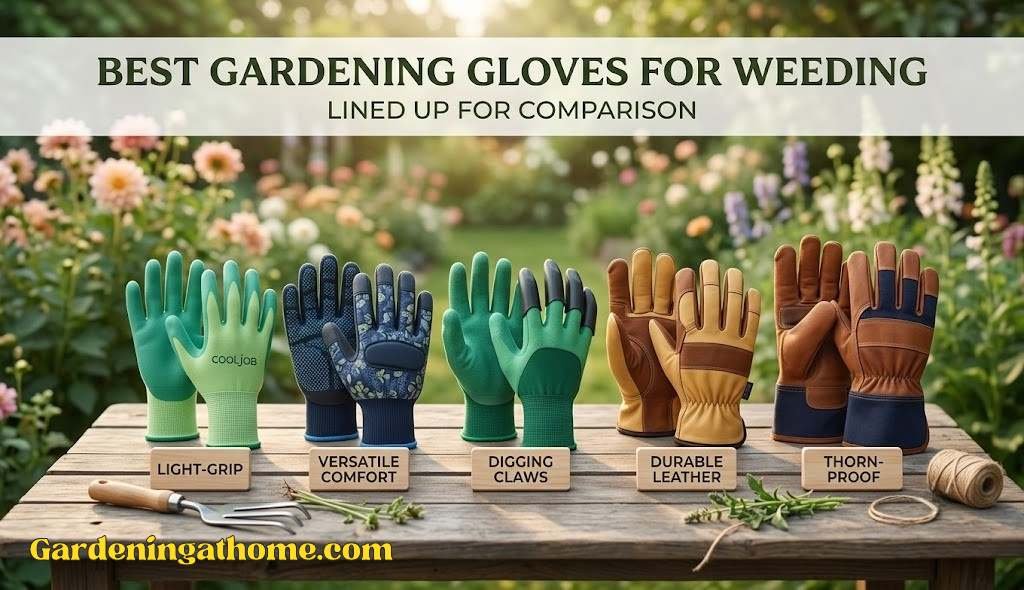
Why Weeding Needs Its Own Kind of Glove
Anyone who has spent an afternoon on their knees pulling crabgrass out of a flower bed knows the moment a thin cotton glove gives out. A splinter from a stubborn root, a thorn hidden under a hosta leaf, or just plain wet dirt soaking through the fabric — weeding is one of the more punishing jobs in the garden, and it is surprisingly hard on hand protection. Unlike pruning or planting, weeding involves constant gripping, twisting, and tugging against resistance, often low to the ground where sharp debris, gravel, and buried roots are working against the glove from every angle.
That is why a glove built for pruning roses or handling seedlings does not always translate well to weeding. Weeding gloves need a very specific mix of qualities: a grip surface that will not slip when a root suddenly gives way, a palm tough enough to resist small punctures from thorns and twigs, breathability so hands do not overheat during a long session, and enough dexterity left in the fingers to actually grab a weed at its base instead of snapping the top off. Get any one of those wrong and the glove either falls apart within a season or makes the job harder than doing it bare-handed.
This guide breaks down five gloves that consistently show up as favorites among home gardeners tackling stubborn weeds, along with the reasoning behind what separates a glove that survives a full growing season from one that is in the trash by June. If a broader glove is what’s needed instead, the best gardening gloves roundup covers all-purpose options beyond weeding specifically.
It also helps to think about weeding gloves as a category separate from the rest of a gardener’s glove drawer, rather than one pair meant to do everything. A lightweight glove that’s perfect for transplanting seedlings will not survive an afternoon pulling thistle out of a gravel path, and a heavy-duty leather gauntlet that shrugs off thorns will feel clumsy and unnecessary when the job is just clearing clover out of a lawn bed. Matching the glove to the actual weeding task at hand, rather than grabbing whatever pair is closest to the back door, is usually the single biggest factor in whether a glove lasts the season or gets tossed after a few uses.
What Makes Weeding So Hard on Hand Protection
Three things set weeding apart from most other garden tasks in terms of wear and tear. First, the motion itself involves sustained tension rather than a quick action, since a stubborn root often requires several seconds of steady pulling pressure, during which the glove material is under constant stress at the fingertips and palm. Second, weeding happens at ground level, which means gloves are frequently in direct contact with soil, gravel, mulch, and whatever debris happens to be buried in the bed, all of which contribute to abrasion in a way that pruning or watering simply does not. Third, weeds themselves are often armed, whether that is the fine stinging hairs on nettle, the recurved thorns on a blackberry cane, or the surprisingly sharp seed heads on certain grasses, meaning the glove needs to defend against plant-based hazards in addition to soil-based ones.
Understanding those three stress points — sustained tension, ground-level abrasion, and plant-based hazards — makes it much easier to evaluate any glove being considered for weeding duty, since it turns “is this a good glove” into a more specific and answerable question: does it grip well under sustained pull, does it resist abrasion from soil contact, and does it stand up to the specific plants being removed.
Quick Comparison: Best Gloves for Weeding at a Glance
Before diving into the full reviews, here is how the five gloves stack up side by side on the factors that matter most for weeding specifically: grip, puncture resistance, breathability, and fit. None of these gloves is a universally “best” option in isolation; the right choice depends heavily on the specific weeds, soil conditions, and session length a gardener is dealing with most often, which is why the table below is organized around use case rather than a single overall ranking.
| Glove | Best For | Material | Puncture Resistance | Breathability |
|---|---|---|---|---|
| COOLJOB Rubber-Coated | General weeding & wet soil | Nylon shell, rubber palm | Moderate | Moderate |
| COOLJOB Puncture-Protection | Thorny weeds & brambles | Reinforced synthetic leather | High | Low-Moderate |
| Breathable Abrasion-Resistant | Hot climates, long sessions | Mesh back, PU palm | Moderate | High |
| UIOOIU Waterproof | Muddy, wet weeding | Waterproof coated shell | Moderate | Low |
| Long Gauntlet Gloves | Blackberry, nettle, thorny beds | Reinforced canvas + extended cuff | High (forearm covered) | Moderate |
How We Evaluated Each Pair
Every glove on this list was judged against the same set of practical criteria, weighted toward how a glove actually behaves during real weeding work rather than how it looks on a store shelf.
Grip in Wet and Dry Conditions
Soil after watering or rain is one of the toughest grip tests there is. A textured rubber or latex coating that stays tacky even when damp makes the difference between yanking a weed out cleanly and losing your grip halfway through the pull. Smooth, uncoated fabric palms tend to fail this test quickly, since wet soil essentially acts as a lubricant between the glove and the plant stem, causing repeated slipping that both slows the work down and increases the odds of a weed snapping off at the surface rather than coming out at the root.
Puncture and Abrasion Resistance
Thorns, buried glass, sharp mulch edges, and rose canes are common hazards. Gloves rated for puncture resistance typically use a denser palm material, sometimes with a reinforced layer specifically at the fingertips where most punctures occur.
Breathability
Weeding sessions can run long, especially during spring cleanup or after a rain when weeds pull loose easily. A glove that traps heat becomes uncomfortable fast, and sweaty hands lose grip strength.
Dexterity
Weeding by hand often means pinching a weed close to the soil line and applying steady pressure. Bulky gloves that reduce fingertip sensitivity make this harder and increase the chance of a plant snapping instead of coming out at the root. This is also where hand tools sometimes come into play alongside gloves, since a narrow hand fork or weeding knife used together with a dexterous glove can loosen soil around a stubborn taproot before the glove-covered hand takes over for the final pull, combining precision with protection rather than relying on the glove alone to do all the work.
Durability Over a Season
A glove that frays at the seams after a few uses is not a bargain no matter the price. Reinforced stitching, double-layer palms, and quality coating adhesion all extend usable life significantly. Checking stitch density along the seams before buying, when product photos allow for it, is a small habit that can help predict how well a glove will hold together after repeated washing and heavy use across a full season of weeding.
Common Mistakes When Choosing Weeding Gloves
A few patterns show up again and again among gardeners who end up unhappy with a glove purchase, and most of them are avoidable with a little more attention at the buying stage. The first is picking based on price alone rather than matching material to the actual weeds being pulled. A budget rubber-coated glove is perfectly fine for a lawn full of dandelions, but the same glove sent into a blackberry thicket is going to fail within a single session, leading to a frustrated return or, worse, a scratched-up hand.
The second common mistake is ignoring sizing charts and ordering based on generic small, medium, or large labels, which vary considerably between manufacturers. A glove that runs small in the fingers but fits fine in the palm creates a strange, uncomfortable fit that reduces both dexterity and grip strength, which are the two qualities that matter most for weeding.
The third mistake is assuming a fully waterproof or fully coated glove is automatically better. More coverage means more heat retention, and a glove that overheats the hands during a long weeding session will actually reduce grip performance as hands sweat inside the glove, undermining the very grip advantage the coating was supposed to provide. Matching coverage to the conditions, not just maximizing it, produces better results in practice.
Cost Versus Value
Weeding gloves in this category typically range from budget options under fifteen dollars to premium leather or reinforced gauntlet gloves closer to thirty. The lower end of that range is not automatically a false economy; a basic rubber-coated glove used for general lawn weeding can last a full season if it is rinsed and air-dried properly rather than left balled up in a bucket. Where spending more genuinely pays off is in high-thorn environments, where a fifteen-dollar glove that fails after two uses against blackberry canes ends up costing more in replacements than a single well-built puncture-resistant pair would have in the first place.
1. COOLJOB Rubber-Coated Gardening Gloves

These are the glove most home gardeners reach for first, and for good reason. The nylon shell keeps hands cool while the rubber-coated palm and fingers grip wet roots and slick tools without sliding. They flex easily enough to feel like a second skin, which matters when weeding requires repeated pinch-and-pull motions.
What stands out about this pair for weeding specifically is how the rubber coating wraps slightly over the fingertips rather than stopping at the palm. That extra coverage is exactly where most weeding wear happens first, since fingertips are constantly pressed into soil and against small roots. The breathable knit back also means hands do not overheat during long sessions, which is a common complaint with fully coated gloves.
Over repeated use in a mixed flower bed with a fair amount of clover, chickweed, and the occasional dandelion with a stubborn taproot, this pair consistently held its grip even after the palms picked up a layer of damp soil. The flexibility at the knuckle also made it noticeably easier to get fingertips right down at the base of a weed rather than snapping the top off, which matters for weeds that regrow quickly if the root is left behind. The main place this glove eventually shows wear is at the seam where the rubber coating meets the knit back, which after extended heavy use can start to separate slightly, though this typically takes a full season or more of regular use to become noticeable.
Pros
- Excellent wet and dry grip
- Breathable knit back prevents overheating
- Snug, flexible fit for dexterity
- Affordable enough to buy multiple pairs
Cons
- Limited protection against sharp thorns
- Rubber coating can crack after heavy long-term use
Who should skip this pair: Anyone weeding primarily in thorny brambles or rose beds will want more palm protection than this coating offers; the puncture-protection pair below is the better fit for that job.
See current pricing and available sizes for the COOLJOB Rubber-Coated Gardening Gloves.
Check Price on Amazon2. COOLJOB Puncture-Protection Gardening Gloves

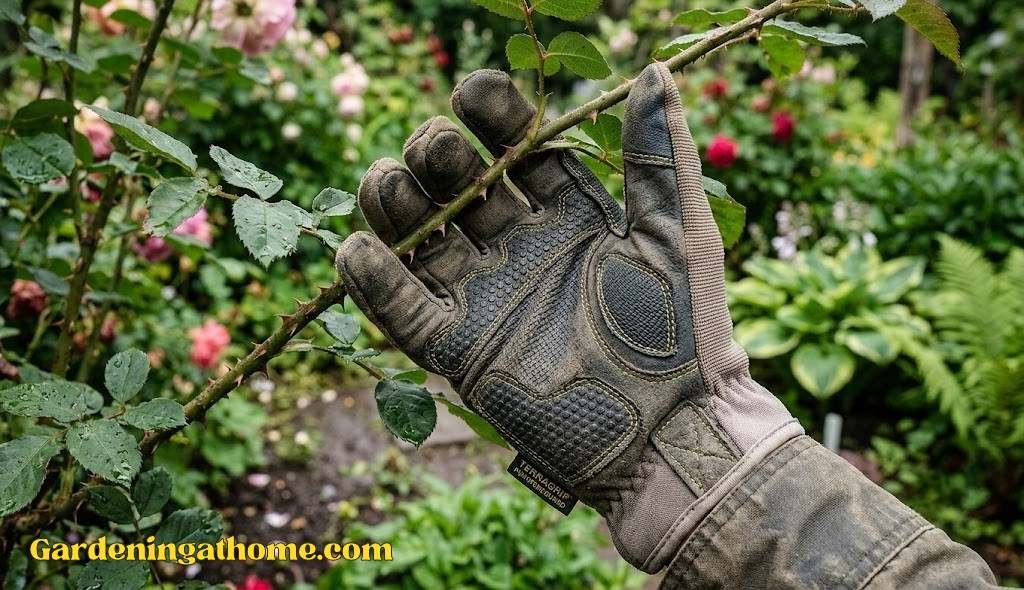
When the weeding job involves blackberry runners, thistle, or anything with a thorn hidden in the stem, this is the pair to reach for. The reinforced synthetic leather palm is noticeably thicker than a standard coated glove, and it shows in how confidently a hand can grab a prickly weed at the base without flinching.
The tradeoff for that extra protection is a slightly stiffer break-in period. New out of the box, the material takes a few sessions to loosen up around the knuckles. Once broken in, though, the fit becomes comfortably close without sacrificing the puncture resistance that makes this pair stand out. For anyone dealing primarily with thorny invasive weeds, this is worth the adjustment period.
Tested directly against a stand of Canada thistle and a few overgrown blackberry canes crowding a fence line, the difference compared to a standard rubber-coated glove was immediately obvious. Thorns that would have caught and scraped through a lighter glove simply glanced off the reinforced palm, and the fingertip stitching held up without any visible fraying even after several passes through the thickest part of the patch. The one area to watch is the cuff, which on this style is fairly short; pairing it with a long sleeve or tucking a shirt cuff over the glove edge helps prevent thorns from catching at the wrist gap during aggressive reaching.
Pros
- Strong resistance to thorns and sharp debris
- Reinforced fingertip stitching
- Holds up well against rose canes and brambles
Cons
- Stiffer break-in period
- Less breathable than mesh-backed options
Check availability and current pricing for the COOLJOB Puncture-Protection Gloves.
Check Price on Amazon3. Breathable Abrasion-Resistant Planting Gloves

Weeding in the middle of summer under direct sun makes hand ventilation almost as important as grip. This pair leans into breathability with a mesh-panel back and a lighter-weight palm coating that still holds up to moderate abrasion from soil, gravel, and rough weed stems.
These will not match a dedicated puncture-resistant glove against sharp thorns, but for general lawn weeds, dandelions, and clover, they strike a comfortable balance. The lighter build also makes them a good option for anyone who finds heavier gloves fatiguing after an hour or more of continuous work.
During a two-hour weeding session on a warm afternoon spent clearing a vegetable garden border of crabgrass and purslane, hands stayed noticeably cooler in this pair than in a fully coated alternative, and there was no point at which grip started to slip from sweat buildup, which is a common issue with less breathable gloves once a session runs long. The lighter palm coating did pick up a bit more visible wear from contact with gravel mulch than the puncture-resistant pair, but nothing that affected function within the timeframe tested.
Pros
- Noticeably cooler than fully coated gloves
- Lightweight, low fatigue over long sessions
- Good grip on dry soil and common lawn weeds
Cons
- Grip weakens somewhat when soaked
- Not ideal for thorny or invasive weeds
See sizing options and current pricing for these breathable planting gloves.
Check Price on Amazon4. UIOOIU Waterproof Gardening Gloves

Weeding right after rain is often when weeds pull most easily, but it also means dealing with saturated, muddy soil. This pair’s fully waterproof coated shell keeps moisture from soaking through to the skin, which matters for anyone weeding in the early morning when dew is still heavy on the ground.
Because the coating is more fully sealed than a breathable mesh-backed glove, ventilation is the tradeoff. These are best suited to shorter, targeted weeding sessions in wet conditions rather than an all-day project in the summer heat. The grip texture on the palm remains reliable even when the glove itself is coated in mud, which is a common failure point for less textured waterproof gloves.
Used the morning after a heavy overnight rain to clear a bed of chickweed and clover that had turned the surrounding soil to soup, this pair kept water from soaking through even after kneeling directly in wet mulch for close to an hour. The textured palm continued gripping weed stems reliably despite being coated in a fairly thick layer of mud partway through the session, whereas a smoother-palmed waterproof glove tested previously in similar conditions had started slipping on wet stems well before that point.
Pros
- Fully waterproof against mud and wet soil
- Textured grip holds up even when muddy
- Easy to rinse clean after use
Cons
- Less breathable, can feel warm quickly
- Not the top choice for hot, dry-weather weeding
Check current pricing and stock for the UIOOIU Waterproof Gardening Gloves.
Check Price on Amazon5. Long Gauntlet Gardening Gloves

Weeds like stinging nettle or blackberry brambles are just as likely to catch a forearm as a hand. This pair extends well past the wrist with a reinforced gauntlet cuff, protecting against scratches while reaching into overgrown beds to clear tangled weed growth.
The reinforced canvas body holds up well to repeated snagging on thorny stems, and the extended cuff means there is no gap between glove and sleeve where a thorn can sneak through, which is a common complaint with shorter gloves when reaching deep into a bramble patch. They run slightly bulkier than the other picks on this list, so fine detail work like pinching small seedling-stage weeds is a bit less precise.
Reaching deep into an overgrown patch of blackberry canes tangled with bindweed, the extended cuff made a noticeable difference compared to the shorter gloves tested elsewhere in this roundup, since forearm scratches that would otherwise happen while pushing canes aside simply did not occur. The bulk at the fingertips did make it harder to grab very small weeds precisely at the base compared to a slimmer-fitting glove, so for that kind of detail work a lighter pair from this list is a better complement rather than a replacement.
Pros
- Forearm protection against thorns and nettles
- Durable reinforced canvas construction
- No gap between glove and sleeve
Cons
- Bulkier fit reduces fine dexterity
- Warmer than short-cuff gloves in summer
See current pricing and sizing for these long gauntlet gardening gloves.
Check Price on AmazonMaterials Deep Dive: What Weeding Gloves Are Actually Made Of
The material used in the palm and fingertips of a weeding glove has more impact on performance than almost any other spec. Four materials dominate the category, and each behaves differently under the specific stress of pulling weeds.
Rubber and Latex Coatings
Rubber-dipped or latex-coated palms are the most common choice for weeding gloves because they offer reliable grip in both wet and dry conditions. The coating grips slick, muddy roots far better than uncoated fabric, and it is relatively inexpensive to produce, which keeps costs down. The downside is that rubber coatings can crack or peel with heavy long-term use, particularly if gloves are left in direct sun between uses.
Synthetic Leather
Synthetic leather palms, often made from polyurethane blends, offer a denser barrier against punctures than rubber coatings. This makes them a strong choice for thorny weeds, though they typically sacrifice some grip in wet conditions compared to textured rubber.
Genuine Leather
Real leather remains the gold standard for puncture and abrasion resistance, particularly cowhide or goatskin. It molds to the hand over time and offers excellent thorn protection, though it requires more maintenance to stay supple and is typically the most expensive option. Anyone weighing this route in more detail may find the best leather gardening gloves guide useful for comparing full-leather options.
Nylon, Mesh, and Breathable Fabrics
The back of the hand on most weeding gloves uses a breathable knit or mesh fabric rather than a solid coating. This keeps hands cooler during long sessions and adds flexibility, since the palm material alone typically provides enough grip and protection for the areas that need it most.
Reinforced Canvas
Canvas shows up most often on gauntlet-style gloves, where the extended cuff needs to resist thorn snags without adding excessive weight. Woven canvas offers decent abrasion resistance and holds its shape well over repeated use, though it typically offers less puncture resistance than a dedicated leather or synthetic leather palm, which is why canvas gauntlets are usually paired with a reinforced material at the palm and fingers rather than relying on canvas alone for the high-contact zones.
Coating Thickness and Flexibility Trade-Offs
It is worth noting that thicker is not always better when it comes to coated palms. A very thick rubber or latex coating does increase puncture resistance somewhat, but past a certain point it also reduces the tactile feedback needed to judge how firmly a weed’s root is anchored, which can lead to more broken-off stems and less clean removal. The gloves that perform best for weeding tend to strike a middle ground: enough coating thickness to resist common hazards, without so much that fingertip sensitivity is lost entirely. This is part of why reinforcement at specific high-wear zones, rather than uniform thickness across the whole glove, tends to outperform a simpler “just make it thicker” approach.
Sizing and Fit Guide
A glove that is too loose bunches up at the fingertips, making it harder to grip small weeds precisely at the base. Too tight, and hands fatigue faster and circulation can be restricted during longer sessions. Measuring hand circumference around the widest part of the palm, just below the knuckles, is the most reliable way to size correctly before ordering.
| Size | Palm Circumference | Typical Fit |
|---|---|---|
| Small | 6.5–7 inches | Most women, teens |
| Medium | 7–7.5 inches | Average women, smaller-handed men |
| Large | 7.5–8.5 inches | Average to larger men |
| X-Large | 8.5+ inches | Larger hands, extra room for layering |
Gender-marketed gloves are often just sized differently rather than functionally distinct, so it is worth checking actual measurements rather than relying on labeling alone. Dedicated guides for the best gardening gloves for men and best gardening gloves for women break down fit differences in more depth, and for younger gardeners, the best gardening gloves for kids guide covers smaller sizing separately.
Signs a Glove Doesn’t Fit Right
A few telltale signs point to a sizing mismatch even after the glove is on. If there is loose material bunching at the very fingertip, that extra fabric interferes with the precise pinch grip weeding requires, and it will typically be the first spot to wear through since it folds and rubs against itself repeatedly during use. If the seam between the fingers sits noticeably below the actual finger web when the hand is spread, the glove runs too small and will restrict finger movement over time, leading to fatigue much sooner than a properly fitted pair. A glove that fits well should allow a full fist to close naturally without the material bunching sharply across the knuckles, and it should allow fingertips to reach fully to the very end of each glove finger without extra space beyond the nail.
Left and Right Hand Considerations
Most budget and mid-range gardening gloves are symmetrical and can be worn on either hand, which keeps costs down but means the fit is never quite as precise as a hand-specific design. Higher-end gloves, particularly in the leather and reinforced categories, sometimes offer a curved, hand-specific cut that improves both comfort and grip precision, since the fingers are pre-shaped to a natural gripping position rather than lying flat. This is a smaller factor for most casual weeding but becomes more noticeable during long, repetitive sessions where a properly curved fit reduces overall hand fatigue.
Puncture Resistance Explained
Puncture resistance is probably the single most misunderstood spec in gardening glove marketing, partly because it means different things depending on the hazard being defended against. A glove built to resist a sharp metal edge is not necessarily the same construction that resists a fine, flexible thorn working its way through a seam, and a glove that stops abrasion from gravel does not automatically stop a direct puncture from a rose cane. Understanding these distinctions helps explain why two gloves can both claim “puncture resistant” on their packaging while performing very differently in an actual thorny weed patch.
Puncture resistance in a gardening glove comes down to three factors working together: the thickness and density of the palm material, the presence of a reinforced layer at high-wear points like the fingertips and thumb crease, and the quality of the stitching holding those layers together. A glove can advertise puncture resistance broadly, but if the stitching at the fingertip seams is weak, a thorn will still find its way through at that joint before it does anywhere else.
For weeding specifically, the fingertips and the pad below the thumb take the most repeated stress, since that is where the pinching and gripping motion concentrates force. Gloves that reinforce those two zones specifically, rather than just offering a uniformly thick palm, tend to hold up noticeably longer against thorny weeds.
It is also worth understanding how puncture resistance ratings, when manufacturers provide them, actually get measured. Most consumer gardening gloves are not tested to the same formal industrial standards used for cut-resistant work gloves in manufacturing settings, so terms like “puncture resistant” on a gardening glove listing are usually a general marketing description rather than a specific certified rating. This does not mean the claim is meaningless, but it does mean the material and construction details described in a product listing, along with real user feedback about how the glove performs against thorns specifically, are more reliable indicators than the label alone.
Other Features Worth Checking for Weeding
Wrist Closure
An elastic or adjustable wrist closure keeps soil and small debris from working their way into the glove during kneeling and reaching motions, which is especially relevant when weeding low beds or around raised planters. A closure that is too loose defeats its own purpose, since gaps still let dirt in during repetitive bending and reaching, while one that is too tight can restrict circulation over a long session and lead to numb fingertips well before the work is actually done.
Fingertip Sensitivity
Some gloves add a slightly thinner, more flexible material at the very fingertip to preserve the ability to feel a weed’s stem thickness and root depth, which helps in judging how much force is needed to pull cleanly without snapping the plant. This detail matters more than it might seem at first, since a big part of efficient hand-weeding is being able to feel resistance change as a root loosens, which tells the gardener exactly when to increase pull pressure versus when to work the soil around the root a bit more first.
Reinforced Fingertip Nails Area
A raised rubber or fabric ridge just under the fingernail area protects against dirt packing under the nails during hand-weeding, a small feature that makes a noticeable difference in comfort over a long session. This is a detail many buyers do not think to check for ahead of time but appreciate immediately once they have used a glove that includes it, particularly compared to gloves without any reinforcement in that specific spot.
Washability
Machine-washable gloves hold up better to the dirt and grime that weeding produces compared to leather, which typically needs to be spot-cleaned and conditioned instead. For gardeners who weed frequently across the growing season, being able to toss gloves in with a regular laundry load rather than hand-cleaning them after every session is a meaningful convenience that is easy to overlook when comparing gloves purely on grip and puncture resistance.
Color and Visibility
A smaller but genuinely useful consideration is glove color. Bright colors like orange, yellow, or lime green are far easier to spot if set down in a garden bed or lawn, whereas earth-toned gloves in green or brown blend in easily with mulch and soil, making them surprisingly easy to lose track of mid-task.
Cleaning and Care for Weeding Gloves
Rubber-coated and synthetic gloves generally tolerate a rinse under a hose followed by air drying away from direct sunlight, which helps prevent the coating from becoming brittle over time. For gloves that are machine washable, using a gentle cycle and skipping the dryer’s heat cycle in favor of air drying extends the life of both the coating and the stitching.
Leather and synthetic leather gloves need a different approach. Letting them dry naturally after a muddy session, then working in a small amount of leather conditioner every few weeks, keeps the material from stiffening and cracking. Storing any glove flat or hung rather than balled up in a bucket also prevents the palm coating from creasing and eventually splitting along those fold lines. Gloves made specifically from leather benefit from a slightly different maintenance routine than coated synthetic gloves, covered in detail in the how to clean leather gardening gloves guide.
A Simple Maintenance Routine
For gardeners who weed regularly through the growing season, building a short routine around glove care pays off in extended glove life. Rinsing coated gloves under a hose immediately after use, before dirt has a chance to dry and cake into the coating’s texture, keeps the grip surface performing at its best. Letting gloves air dry away from direct sun, rather than on a hot windowsill or near a heat vent, prevents the coating from drying out and becoming brittle prematurely. And rotating between two pairs, rather than relying on a single glove for every session, gives each pair time to fully dry between uses, which meaningfully extends the life of both.
Nitrile vs Latex vs Leather for Weeding
Beyond the five gloves reviewed above, it helps to understand how the underlying coating materials compare more broadly, since many gardening gloves are variations on these three core options.
| Material | Grip (Wet) | Puncture Resistance | Breathability | Allergy Risk |
|---|---|---|---|---|
| Nitrile | Excellent | Moderate | Low-Moderate | Very low |
| Latex | Excellent | Low-Moderate | Low | Moderate-High |
| Leather | Good | High | Moderate | Low |
Nitrile has become a popular alternative to latex specifically because it offers comparable grip without the allergy concerns some gardeners have with natural latex. For anyone sensitive to latex or simply looking for a longer explanation of how the two compare beyond weeding gloves specifically, the nitrile vs latex gardening gloves comparison goes into the tradeoffs in more depth.
It is worth noting that latex allergy reactions can range from mild skin irritation to more significant sensitivity, and because latex is a natural rubber product, exposure over repeated gardening sessions can sometimes increase sensitivity over time even for gardeners who did not previously notice a reaction. Nitrile, being a fully synthetic alternative, avoids this concern entirely while still offering similarly reliable grip in both wet and dry conditions, which is part of why it has become the default coating choice across many newer glove lines even outside the gardening category.
Gloves for Specific Weeding Challenges
Thorny Weeds and Rose Suckers
Thistle, blackberry, and rose suckers call for the thickest palm protection available, generally favoring synthetic or genuine leather over lighter rubber coatings. For beds specifically overrun with thorny growth, the best gardening gloves for thorny roses guide covers options built specifically around cane and thorn protection. Beyond glove choice, a slower, more deliberate grip technique also helps in these conditions, since grabbing thorny stems too quickly increases the odds of a thorn finding a gap in the glove’s coverage, whereas a controlled grip followed by a steady pull tends to keep the hand better positioned within the glove’s protected zones.
Stinging Nettle
Nettle’s fine hairs can penetrate looser-woven fabric gloves, making a denser coated palm or the long gauntlet style reviewed above a safer choice, particularly with the extended cuff covering the forearm where nettle brushes against skin most often. Even brief contact with bare skin along the wrist or forearm can cause the characteristic stinging rash nettle is known for, so the extended coverage matters more here than with most other common garden weeds.
Bindweed and Vining Weeds
Bindweed and other vining weeds present a different challenge: they are rarely sharp, but their tendency to wrap tightly around nearby plants means a lot of careful, sustained pulling and untangling is required. A glove with strong fingertip dexterity, rather than maximum puncture protection, tends to work best here, since the task is more about controlled unwinding than defending against a hazard.
Kids Helping in the Garden
Smaller hands need smaller sizing rather than an adult glove folded down at the fingertips, since excess material at the fingers reduces the dexterity kids need to actually grip and pull a weed successfully. A properly sized glove also reduces the temptation to just go bare-handed, which matters most when kids are helping clear beds that might have hidden thorns or debris. For age-appropriate sizing and material recommendations specifically, the best gardening gloves for kids guide covers this in more detail.
Matching Gloves to the Season and the Weed
The right glove for a spring cleanup is not always the right glove for a late-summer weeding push, and being deliberate about that seasonal shift can save both money and frustration over the course of a year.
Spring Weeding
Early-season weeding often means dealing with cool, damp soil left over from winter and spring rain, along with young weeds that have not yet developed the thicker stems or thorns they will have by midsummer. A waterproof or rubber-coated glove tends to be the most useful choice during this window, since grip in wet, cool soil matters more than breathability when temperatures are still mild.
Summer Weeding
By midsummer, weeds like thistle and bindweed have matured, and temperatures make breathability a bigger priority. This is when a lighter, mesh-backed glove earns its keep, particularly for longer weekend sessions where hand fatigue and heat buildup become the limiting factor rather than grip.
Fall Cleanup
Fall weeding frequently overlaps with clearing spent thorny vines and bramble growth before winter, which shifts priorities back toward puncture resistance and forearm coverage, making the gauntlet-style or reinforced leather gloves the more sensible choice during this stretch.
| Weed Type | Recommended Glove Style | Why |
|---|---|---|
| Dandelion, clover, crabgrass | Breathable rubber-coated | Low hazard, grip matters most |
| Chickweed, purslane (wet soil) | Waterproof coated | Frequent contact with damp, muddy soil |
| Thistle, blackberry, rose suckers | Puncture-resistant synthetic or leather | Direct thorn contact on palm and fingers |
| Stinging nettle, deep bramble | Long gauntlet | Forearm exposure while reaching in |
| Seedling-stage weeds, detail work | Lightweight, close-fitting | Precision matters more than protection |
Frequently Asked Questions
What is the best material for weeding gloves?
For most weeding, a rubber or nitrile-coated palm over a breathable back offers the best balance of grip and comfort. For thorny weeds specifically, synthetic or genuine leather provides stronger puncture resistance. The right answer really depends on what is being pulled: a gardener dealing mostly with lawn weeds and light garden-bed maintenance rarely needs the heavier protection that someone clearing a blackberry-infested fence line requires.
Are rubber-coated gloves good for weeding?
Yes, rubber-coated gloves are one of the most popular choices for weeding because the textured coating maintains grip even on wet or muddy roots, which is common during weeding sessions. They also tend to be more affordable than leather or heavily reinforced options, making them a sensible default pick for anyone without a specific hazard like thorns or nettle to plan around.
Do I need waterproof gloves for weeding?
Waterproof gloves are helpful specifically when weeding in muddy or freshly watered soil, but they trap more heat than breathable options, so they are best suited to shorter, wetter sessions rather than all-day use. Many gardeners keep a waterproof pair specifically for post-rain weeding and switch to a breathable pair for drier conditions.
How do I know what size gardening gloves to buy?
Measure the circumference of the palm just below the knuckles and compare it against the sizing chart provided by the manufacturer, since sizing can vary between brands more than typical clothing sizing. If a hand measurement falls between two listed sizes, sizing up slightly is generally safer for weeding, since a glove that is a touch loose is easier to work with than one that restricts finger movement.
Can gardening gloves protect against thorns?
Gloves with a reinforced synthetic or genuine leather palm and reinforced fingertip stitching offer meaningful protection against thorns, though no glove is fully puncture-proof against a direct hit from a sharp thorn. The goal with a good thorn-resistant glove is to significantly reduce the frequency and severity of scratches and punctures, not to guarantee complete immunity.
Are long gauntlet gloves worth it for weeding?
For weeding around brambles, roses, or stinging nettle, the extended forearm coverage of gauntlet gloves is genuinely useful, though they are bulkier and less suited to fine detail weeding of small seedling-stage weeds. Many gardeners keep a gauntlet pair specifically for seasonal bramble clearing and use a shorter, more dexterous glove for everyday weeding.
How often should gardening gloves be replaced?
Most coated gardening gloves used regularly for weeding last one to two growing seasons before the coating begins to crack or the palm wears thin, though genuine leather gloves with proper care can last considerably longer. Visible cracking, peeling coating, or thinning fabric at the fingertips are the clearest signs a replacement is due.
Can gardening gloves be washed in a washing machine?
Many nylon or synthetic-backed coated gloves are machine washable on a gentle cycle, but it is worth checking the specific product’s care instructions first, since some coatings can degrade with machine washing. Air drying rather than machine drying is generally recommended even for machine-washable gloves, since heat from a dryer can cause coatings to become brittle over time.
Do nitrile gloves work well for weeding?
Nitrile-coated gloves offer strong wet and dry grip similar to latex without the allergy risk some people experience with natural latex, making them a solid all-purpose choice for weeding. They also tend to hold up somewhat better to garden chemicals and fertilizers than natural latex, which is a secondary benefit for gardeners who handle both weeding and light chemical application in the same session.
What is the difference between gardening gloves and work gloves?
Gardening gloves are generally designed with more dexterity and breathability in mind for tasks like weeding and planting, while general work gloves often prioritize heavier-duty protection at the cost of finger sensitivity. Construction or mechanic’s work gloves, for example, are built to protect against impact and abrasion in ways that make fine motor tasks like pinching a small weed considerably harder.
Is leather or synthetic better for weeding gloves?
Genuine leather typically offers superior long-term puncture resistance and molds to the hand over time, while synthetic materials are usually lighter, more breathable, and require less maintenance. For gardeners who weed occasionally, synthetic materials are usually the more practical choice; for those who weed thorny beds weekly for years, leather’s durability can make it the better long-term investment.
Can I use the same gloves for weeding and pruning?
A puncture-resistant weeding glove can often double for light pruning tasks, but dedicated pruning gloves usually add extra protection around the fingertips and sometimes a reinforced cuff specifically shaped for handling shears safely, so a gardener doing heavy pruning regularly may still want a separate pair suited to that task.
Final Buying Checklist
Before checking out, it helps to run through a short mental checklist to confirm the glove being considered actually matches the job it needs to do.
- Primary hazard: Are the weeds being pulled mostly soft and low-risk, or are thorns, brambles, or nettle involved regularly?
- Soil condition: Is the bed typically dry, or does weeding usually happen in damp or freshly watered soil?
- Session length: Are sessions short and targeted, or long stretches where breathability and fatigue matter more?
- Coverage needed: Does the job involve reaching into dense growth where forearm protection matters, or is it mostly close, low-to-the-ground work?
- Sizing: Has the palm circumference been measured against the specific brand’s size chart rather than assumed from a generic S/M/L label?
- Maintenance tolerance: Is there a willingness to condition leather periodically, or is a low-maintenance synthetic option a better fit for the household’s routine?
Running through these six questions before buying tends to eliminate the most common source of glove disappointment, which is buying based on price or appearance alone rather than matching the glove’s actual strengths to the specific weeding conditions it will be used in most often.
Final Verdict: Which Weeding Gloves Should You Buy?
For most home gardeners tackling a mix of lawn weeds and the occasional thorny patch, the COOLJOB Rubber-Coated Gloves hit the best overall balance of grip, breathability, and price. Anyone dealing regularly with blackberry, thistle, or rose suckers will get more mileage out of the COOLJOB Puncture-Protection Gloves or the Long Gauntlet Gloves for added forearm coverage. For hot-weather weeding sessions, the breathable mesh-backed pair keeps hands noticeably cooler, while the waterproof option earns its place for muddy, post-rain weeding.
Whichever pair fits the job best, having the right gloves on hand turns weeding from a dreaded chore into a task that can actually be done efficiently without a trip to the first aid kit afterward. Many gardeners eventually settle into owning two pairs rather than one — a lighter, breathable glove for routine lawn and bed maintenance, and a heavier, puncture-resistant pair reserved specifically for the thornier corners of the yard — which avoids the compromise of trying to make a single glove handle every possible weeding scenario equally well.
Investing a little extra thought into glove selection now, rather than grabbing whatever pair happens to be closest to the back door, tends to pay off across an entire growing season in fewer scratches, better grip on stubborn roots, and simply more comfortable hands at the end of a long afternoon spent clearing beds.
Ready to gear up? Check today’s price on our top overall pick for weeding.
Shop Weeding Gloves on Amazon