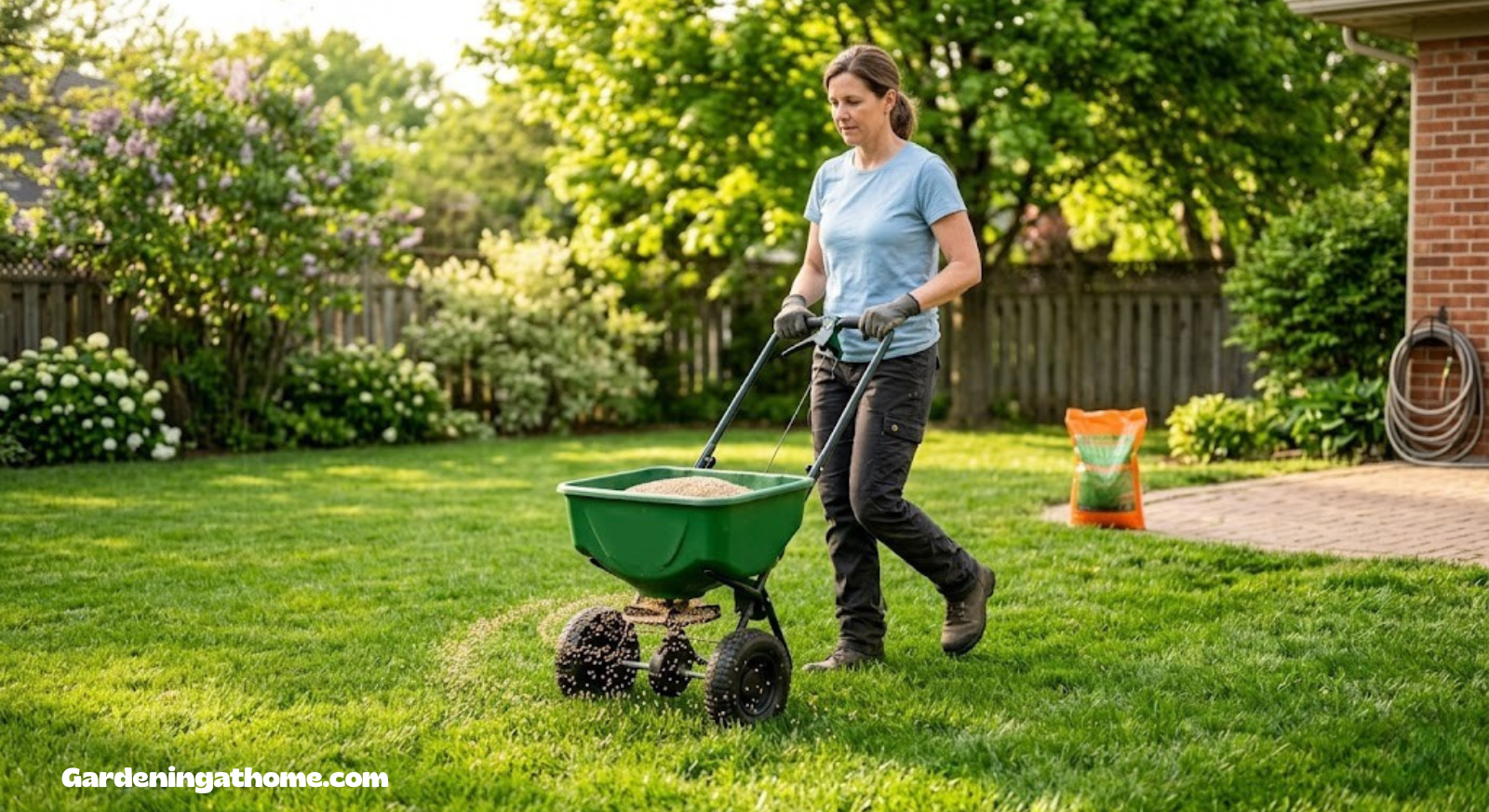
Best Time to Spread Grass Seed: A Season-by-Season Guide for a Thicker, Greener Lawn
Timing is everything when it comes to growing thick, healthy turf. Get it right and seed germinates fast, roots dig deep, and weeds barely get a foothold. Get it wrong and you’ll be fighting bare patches for years. Here’s exactly when — and how — to spread grass seed for the best possible results.
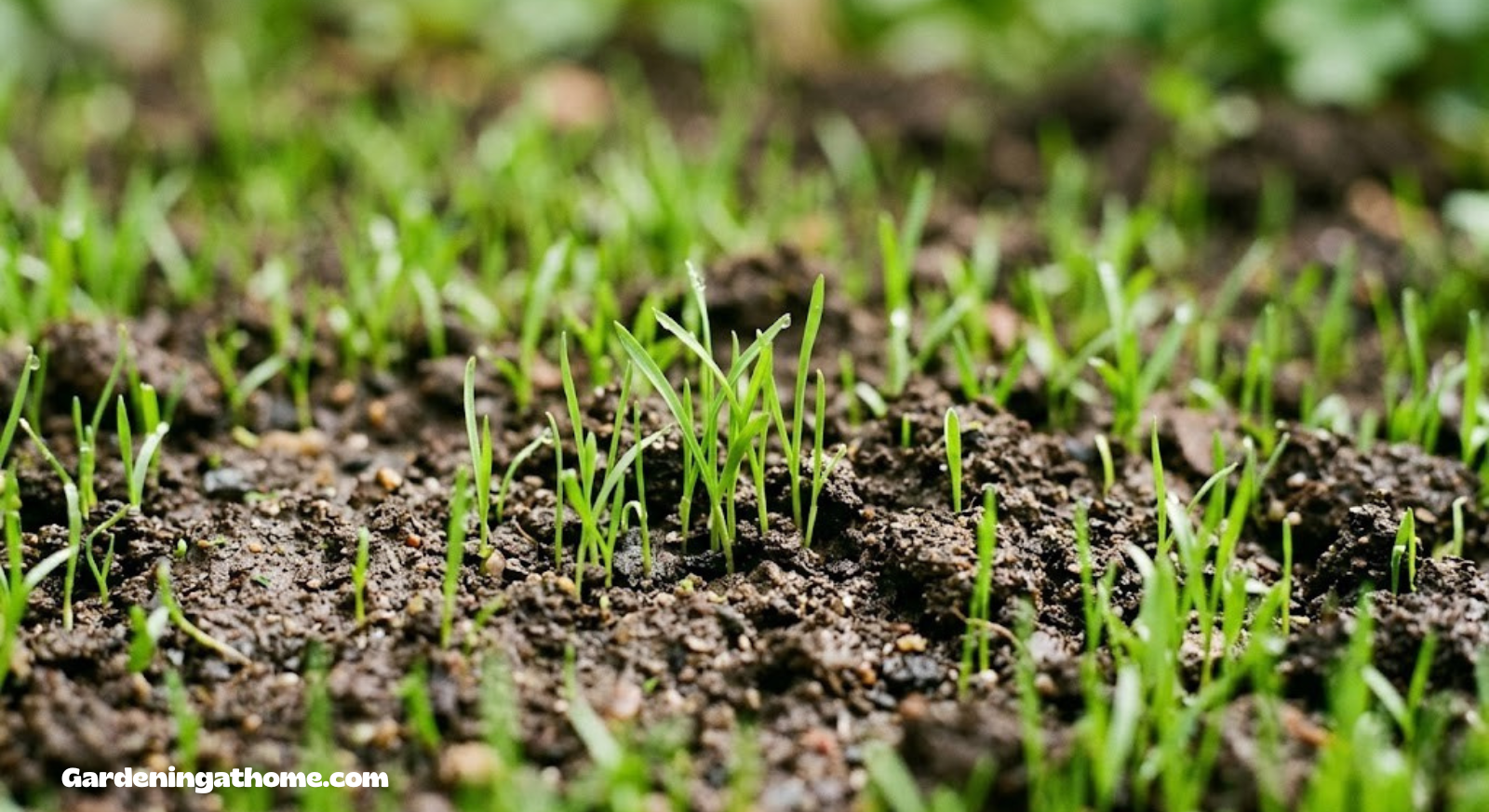
Why Timing Matters More Than You Think
Grass seed doesn’t germinate on willpower alone. It germinates when soil temperature, moisture, and daylight line up in a fairly narrow window. Miss that window and you’re not just wasting seed — you’re wasting weeks of watering, fertilizing, and waiting, often with disappointing results. A patch seeded three weeks too late in fall might sprout, only to be killed by the first hard frost before it develops a real root system. Seed thrown down in the heat of midsummer can germinate fine and then fry within days once temperatures spike and rainfall dries up.
The good news is that grass seed timing isn’t a mystery. It follows predictable patterns tied to your grass type, your regional climate, and the specific goal you’re trying to achieve — whether that’s filling in bare spots, thickening an existing lawn, or starting completely from scratch. This guide breaks all of that down so you can pick the exact right week, not just the right season.
Before you grab a spreader and start walking rows across your yard, it helps to understand exactly why fall works so well for most turf types, and why the “just seed whenever it’s convenient” approach so often leads to thin, patchy grass. We’ll cover the science briefly, then get into the practical calendar you can actually use.
Think about grass seed the same way you’d think about planting a vegetable garden. Nobody puts tomato starts in the ground in January and hopes for the best, and nobody plants pumpkin seeds in October expecting a harvest. Grass is no different — every species has a biological window in which germination, root development, and early growth happen efficiently, and windows on either side of that where growth is slow, stressed, or simply doesn’t happen at all. The frustrating part is that grass seed will often germinate even outside its ideal window. A few seedlings may pop up after an off-season seeding, which can trick homeowners into thinking the timing didn’t matter. What actually happened is that a small percentage of seed found just enough moisture and warmth to sprout, while the majority either failed to germinate or died shortly after emerging. The visible seedlings mask a much larger failure rate underneath.
This is why professional lawn care companies build their entire seeding calendar around a handful of specific weeks each year, rather than seeding on demand whenever a customer calls. It’s also why so many DIY seeding attempts fall short of expectations — not because the seed was bad or the spreader was miscalibrated, but because the calendar date didn’t match the biological reality of the grass species involved. Understanding that distinction is the foundation for everything else in this guide.
There’s also an economic angle worth mentioning. Grass seed, starter fertilizer, and the labor of prepping soil and running a spreader all cost time and money. Seeding in the wrong window doesn’t just risk a thinner lawn — it risks having to redo the entire process a few months later, effectively doubling your investment for a result you could have achieved once, correctly, by simply waiting for the right week.
Cool-Season vs. Warm-Season Grasses
Almost everything about grass seed timing comes down to one distinction: is your lawn a cool-season grass or a warm-season grass? These two broad categories grow on opposite thermostats, and seeding at the wrong time for your grass type is the single most common reason home lawns fail to establish.
Cool-Season Grasses
Cool-season grasses — including Kentucky bluegrass, tall fescue, perennial ryegrass, and fine fescue — thrive in cooler air and soil temperatures. They put on their strongest growth in spring and fall, and they tend to slow down or go semi-dormant during peak summer heat. These grasses dominate lawns across the northern two-thirds of the country, from the Pacific Northwest through the Midwest and into the Northeast.
Warm-Season Grasses
Warm-season grasses — Bermuda, zoysia, St. Augustine, centipede, and bahiagrass — do the opposite. They grow aggressively once soil warms up in late spring and summer, then go dormant (often turning brown) once temperatures drop in fall and winter. These grasses are common across the South and Southwest.
| Grass Type | Category | Peak Growth Season | Best Seeding Window |
|---|---|---|---|
| Kentucky Bluegrass | Cool-season | Spring & Fall | Early-to-mid fall |
| Tall Fescue | Cool-season | Spring & Fall | Early-to-mid fall |
| Perennial Ryegrass | Cool-season | Spring & Fall | Early fall or spring |
| Fine Fescue | Cool-season | Spring & Fall | Early fall |
| Bermudagrass | Warm-season | Late spring–summer | Late spring to early summer |
| Zoysiagrass | Warm-season | Late spring–summer | Late spring to early summer |
| St. Augustine | Warm-season | Late spring–summer | Late spring to early summer |
| Centipedegrass | Warm-season | Late spring–summer | Late spring to early summer |
If you’re not sure which category your lawn falls into, look at when it’s greenest. If your grass is lush and vigorous in April and October but sluggish in July, it’s cool-season. If it’s the reverse — vibrant green in July and brown or straw-colored by November — it’s warm-season. That single observation tells you almost everything you need to know about when to seed.
The Transition Zone: When You Have Both
A wide band of the country running roughly from Kansas and Missouri east through Virginia and North Carolina is known as the “transition zone” — a climate belt too hot in summer for cool-season grasses to thrive without stress, and too cold in winter for warm-season grasses to reliably survive without going dormant or dying back. Homeowners in this region often see a mix of grass types in their own yard, or even within the same lawn, and timing gets more nuanced as a result.
If you live in the transition zone, the safest bet for cool-season species like tall fescue is still early fall, since it gives the grass the longest possible stretch of mild weather before summer stress returns. Warm-season options like zoysia and Bermuda, when used in this region, should still be seeded in late spring once the risk of a late frost has passed. Many transition-zone lawn care professionals actually recommend tall fescue as the default choice specifically because it tolerates the region’s temperature swings better than most other cool-season grasses, reducing how finicky the timing needs to be.
Why Grass Type Affects Germination Speed, Too
Beyond just the ideal season, different grass species germinate at very different speeds, which affects how forgiving your timing needs to be. Perennial ryegrass, for example, can germinate in as little as five to seven days under good conditions, giving it very little room for a timing mistake to cause serious harm — it’s in and growing before conditions have much chance to shift. Kentucky bluegrass, on the other hand, can take three to four weeks to germinate, which means it needs a much longer stretch of favorable weather to succeed. This is one of the reasons many grass seed blends combine bluegrass with a smaller percentage of ryegrass: the ryegrass provides fast initial cover while the slower bluegrass fills in underneath over the following weeks.
Understanding your specific blend’s germination timeline is worth a few minutes of label-reading before you buy. A bag that’s mostly slow-germinating bluegrass needs an earlier fall seeding date than a bag that’s mostly fast-germinating ryegrass, simply because it needs more total days of favorable weather to complete the process.

Get an Accurate, Even Spread Every Time
A quality broadcast spreader takes the guesswork out of seeding, whatever the season. See our full breakdown of the best lawn seed spreaders before you buy.
Check Price on AmazonSpreading Grass Seed in Spring
Spring feels like the obvious time to seed — everything else in the garden is waking up, so why not the lawn? For cool-season grasses, spring can work, but it’s a distant second choice to fall, and it comes with real trade-offs you should understand before committing to it.
Why Spring Seeding Is Tricky for Cool-Season Lawns
Spring-seeded cool-season grass has to sprint. It needs to germinate, establish a root system, and get strong enough to survive summer heat, all within a window of roughly eight to ten weeks before temperatures climb into stress territory. Add in the fact that spring is also prime germination season for crabgrass and other summer annual weeds — which will happily out-compete slow-growing new turf for light, water, and nutrients — and you can see why results are often mixed.
If you use a pre-emergent herbicide to control crabgrass in spring (a common and effective practice), that same herbicide will also block your grass seed from germinating. You essentially have to choose one or the other for that season: weed prevention or seeding.
When Spring Seeding Makes Sense
- New construction lawns where bare soil needs cover immediately and you can’t wait until fall.
- Small bare-spot repairs where you’re not relying on a pre-emergent herbicide.
- Warm-season lawns, for which late spring is actually the ideal starting point (more on this below).
Best Spring Timing for Cool-Season Grass
If spring is your only option, aim for as early as soil workability allows — generally once soil temperatures at a two-inch depth consistently sit between 50–65°F (see our soil temperature benchmarks section further down). In most of the northern and transition zones, that lands somewhere between mid-March and late April. Seeding any later than that pushes germination dangerously close to the onset of summer heat stress.
Best Spring Timing for Warm-Season Grass
For Bermuda, zoysia, St. Augustine, and centipede, spring is genuinely the right season — just the later half of it. Wait until nighttime temperatures are reliably staying above 60°F and soil temperature has climbed past roughly 65°F. Seeding warm-season grass too early, while soil is still cool from winter, results in slow, patchy germination and gives weeds a huge head start.
Spring Seeding Pros
- Mild, seed-friendly air temperatures
- Natural spring rainfall reduces watering workload
- Ideal starting season for warm-season turf
Spring Seeding Cons
- Heavy competition from weeds, especially crabgrass
- Short window before summer heat arrives
- Conflicts with pre-emergent herbicide applications
Managing a Spring Seeding If You Have No Other Choice
Sometimes spring really is the only realistic option — maybe you just closed on a new house, or a contractor finished grading your yard in April and you don’t want bare dirt washing away all summer. If that’s your situation, a few adjustments can meaningfully improve your odds. Skip the pre-emergent herbicide entirely for that season and instead plan on hand-pulling or spot-treating weeds as they appear, since a thick, healthy stand of new grass is itself one of the best defenses against future weed pressure. Water more diligently than you might for a fall seeding, since spring’s transition into summer heat can arrive faster than expected. And consider choosing a seed blend weighted toward faster-germinating species like perennial ryegrass, which gets you established turf more quickly and reduces the window during which weeds can gain a foothold.
It’s also worth setting realistic expectations: a spring-seeded lawn will likely need a follow-up overseeding the following fall to fill in any areas that didn’t establish as thickly as hoped. Budgeting for that second round from the start, rather than treating it as a failure, keeps the process from feeling discouraging.
Spreading Grass Seed in Summer
Summer is, generally speaking, the season to avoid for cool-season grass seeding — and it’s a mixed bag for warm-season grasses too, depending on where you are in the summer calendar.
Cool-Season Grass in Summer: Mostly a No
High air temperatures dry out topsoil quickly, which is a serious problem for seed that needs consistent moisture to germinate. Even with diligent watering, cool-season seedlings that do sprout in July heat are fragile and prone to damping-off disease and heat stress. If you have a genuine emergency bare spot in summer, light overseeding with extra water diligence can work, but don’t expect it to perform like a fall seeding.
Warm-Season Grass in Early-to-Mid Summer: A Solid Second Window
If you missed late spring, early-to-mid summer is still a workable time to seed warm-season turf, as long as you’re prepared to water frequently through the hottest stretch. Soil is already warm, which favors fast germination — the main challenge is simply keeping the seed bed moist enough in the heat.
Late Summer: The Turning Point
By late summer, cooling temperatures start to make cool-season overseeding viable again, especially in the northern half of the country. This is really the on-ramp to the fall seeding window covered in the next section, so if you’re seeding in late August, think of it as “early fall” rather than “summer.”
For step-by-step guidance on getting seed down evenly regardless of season, our guide on how to spread grass seed evenly walks through spreader settings and overlap patterns that prevent striping and bare gaps.
Irrigation Realities of Summer Seeding
Anyone considering a summer seeding project needs to be honest about how much watering it actually requires. In peak summer heat, exposed topsoil can dry out within a few hours of direct sun exposure, and grass seed that dries out partway through germination often dies rather than simply pausing and resuming later. That means summer seeding isn’t a “water once a day and check back in a week” project — it typically demands two to three short watering sessions daily, timed to keep the surface consistently damp without creating runoff or fungal-friendly puddling.
For homeowners without an automatic irrigation system, this level of attention can be genuinely difficult to sustain, especially during a vacation week or an unexpected heat wave. If you can’t commit to that watering schedule, it’s almost always better to wait for a more forgiving season rather than gamble a bag of seed and a weekend of labor on a summer attempt.
Fall: The Golden Window
If you take away one thing from this guide, let it be this: for cool-season lawns, early-to-mid fall is the best time to spread grass seed, full stop. This isn’t a matter of opinion — it’s backed by decades of turfgrass research and the shared experience of lawn care professionals across the country.
Why Fall Works So Well
- Warm soil, cool air: Soil retains summer heat well into fall, giving seed the warmth it needs to germinate quickly, while cooler air temperatures reduce evaporation and heat stress on tender seedlings.
- Less weed competition: Most summer annual weeds are finishing their life cycle by fall, meaning your new grass isn’t fighting crabgrass and other opportunists for space and nutrients.
- More reliable rainfall: Many regions see a return of consistent rain in fall, cutting down on how much supplemental watering you need to do.
- A full growing season ahead before summer stress: Grass seeded in fall has all of fall, winter dormancy, and the following spring to build a deep root system before it ever has to face a hot, dry summer.
Pinpointing the Ideal Fall Date
The general rule of thumb used by agronomists is to seed roughly 45 days before your area’s average first hard frost date. That gives seedlings enough time to germinate, develop a few sets of true leaves, and establish roots before winter dormancy sets in. In practical terms, this typically lands:
| Region | Typical First Frost | Ideal Seeding Window |
|---|---|---|
| Northern U.S. (Upper Midwest, New England) | Late September–early October | Mid-August to early September |
| Mid-Atlantic & Transition Zone | Mid-to-late October | Early-to-mid September |
| Pacific Northwest | Late October–November | September into early October |
| Upper South | November | Mid-September to mid-October |
Seeding right at the start of this window is generally safer than seeding at the tail end of it — an early start gives you a buffer if germination is slower than expected, whereas a late start leaves no room for error if an early cold snap arrives.

Covering a Large Fall Seeding Job?
For bigger lawns, a tow-behind spreader saves hours of walking. Read our review of the Agri-Fab pull-behind broadcast spreader to see if it fits your yard.
Check Price on AmazonWarm-season grasses should generally not be seeded in fall — cooling soil temperatures work against them, and any late-season growth is often too tender to survive winter dormancy stress. Stick to spring and early summer for Bermuda, zoysia, St. Augustine, and centipede.
What “45 Days Before Frost” Actually Accounts For
The 45-day rule isn’t arbitrary — it’s built from the sum of several biological milestones young grass needs to hit before winter. Germination itself typically takes one to three weeks depending on species. After that, seedlings need another two to three weeks of active growth to develop a root system deep enough to survive winter’s freeze-thaw cycles without heaving out of the soil. Only after both of those stages are complete is the young lawn considered reasonably winter-hardy. Stack those timelines together and you land right around the six-to-seven-week mark, which is where the 45-day guideline comes from.
It’s worth noting that “first hard frost” refers to a freeze cold enough to kill tender vegetation outright — typically 28°F or below — not the first light frost of the season, which grass seedlings can often tolerate without lasting damage. Local extension offices publish average first and last frost dates by county, and checking yours is a five-minute task that meaningfully sharpens your seeding calendar compared to relying on a generic regional estimate.
Fall Seeding and Fertilization Timing
Fall is also the season when fertilization strategy matters most for cool-season lawns, and it pairs directly with your seeding schedule. A starter fertilizer, higher in phosphorus, applied at the time of seeding helps young roots establish quickly. Then, roughly six to eight weeks later — often coinciding with the last mow of the season — a fall “winterizer” fertilizer higher in potassium helps both new and established turf store energy for winter and green up faster the following spring. Coordinating these two fertilizer applications around your seeding date, rather than treating them as separate unrelated tasks, produces noticeably better results than either one alone.
Winter and Dormant Seeding
Seeding in the dead of winter sounds counterintuitive, but “dormant seeding” is a legitimate, well-documented technique used in colder climates. It involves spreading seed after the ground has cooled enough that germination won’t occur until spring, essentially banking the seed in place so it’s ready to sprout the moment soil warms up.
How Dormant Seeding Works
Seed is spread once soil temperatures have dropped below the 40–50°F germination threshold, typically in late November through December in northern climates, or even over a light snow cover. The seed lies dormant through winter, protected somewhat by soil and snow, then germinates naturally as soil warms in early spring — often earlier than a traditional spring seeding would allow, since the seed doesn’t have to wait for you to spread it once the ground thaws.
Pros and Cons of Dormant Seeding
Pros
- Takes advantage of a “dead” period when little else needs doing in the yard
- Seed is in place and ready the instant spring conditions arrive
- Freeze-thaw cycles can help work seed into the soil surface
Cons
- Higher risk of seed loss to wind, runoff, or birds before germination
- Timing must be precise — too early and seed germinates before hard winter, then dies
- Not effective for warm-season grasses at all
If you try dormant seeding, increase your seeding rate slightly to compensate for expected seed loss over winter, and choose a calm period with no major rain events forecast immediately after spreading to reduce runoff.
Dormant Seeding vs. Waiting for Spring
It’s fair to ask whether dormant seeding actually beats simply waiting until spring arrives naturally. The main advantage is speed of establishment. Because dormant-seeded grass is already sitting in place when soil warms, it can begin germinating at the very first opportunity — often two to three weeks earlier than seed you’d spread after noticing spring conditions arriving. Those extra weeks translate directly into a head start against spring weed germination, which is one of the biggest threats to a spring-seeded lawn.
The trade-off is reduced control. You’re relying on winter weather to keep the seed in place and viable, rather than actively managing germination conditions yourself. For homeowners in regions with heavy winter winds, minimal snow cover, or a habit of sudden winter thaws followed by hard refreezes, traditional early spring seeding may actually produce more reliable results than dormant seeding, even with its narrower window before summer heat.
Soil Temperature Benchmarks
Air temperature gets all the attention, but soil temperature is actually the number that matters most for germination. A cheap soil thermometer, pushed two to three inches into the ground, will tell you far more than the weather app on your phone.
| Grass Type | Minimum Soil Temp | Ideal Soil Temp Range |
|---|---|---|
| Kentucky Bluegrass | 50°F | 60–75°F |
| Tall Fescue | 50°F | 60–75°F |
| Perennial Ryegrass | 50°F | 60–75°F |
| Fine Fescue | 50°F | 55–70°F |
| Bermudagrass | 65°F | 70–90°F |
| Zoysiagrass | 65°F | 70–90°F |
| St. Augustine | 65°F | 70–90°F |
Take readings in the morning for a few consecutive days to get a stable average rather than relying on a single reading, which can be skewed by direct sun or overnight cold snaps.
How to Take an Accurate Soil Temperature Reading
Accuracy matters more than most people expect here, since a reading taken incorrectly can be off by ten degrees or more — easily enough to push you from “too cold to seed” to “ready to go” in your own estimation, when the soil hasn’t actually changed at all. Take readings at the same time each day, ideally mid-morning before the sun has fully heated the surface but after overnight cold has dissipated somewhat. Insert the thermometer probe two to three inches deep, which corresponds roughly to where seed actually sits once lightly raked in or topdressed. Avoid taking readings in deep shade or in a spot baking under full afternoon sun, since both will skew results away from what the bulk of your lawn is experiencing. Finally, take readings from a few different spots in the yard rather than just one, since microclimates created by slope, tree cover, or nearby pavement can create meaningful variation across even a modest-sized lawn.
If you don’t want to buy a dedicated soil thermometer, many state extension services and agricultural universities publish weekly average soil temperature maps online during spring and fall, which can serve as a reasonably good regional proxy if your own yard doesn’t have unusual microclimate factors at play.
Timing by U.S. Region
Because climate varies so widely across the country, it helps to translate the general “cool-season vs. warm-season” rules into region-specific windows.
Northeast & Upper Midwest
Cool-season territory almost exclusively. Best window: mid-August through mid-September. Spring is a workable backup from late March through April.
Mid-Atlantic & Transition Zone
A mix of cool- and warm-season lawns exist here. Cool-season best window: early September. Warm-season best window: late May through June.
Deep South & Gulf Coast
Warm-season territory. Best window: April through June, once nighttime lows are consistently above 60°F.
Southwest & Desert Regions
Warm-season grasses dominate, with an extended seeding window from April through August as long as irrigation is consistent. Bermuda in particular tolerates a later start than most.
Pacific Northwest
Mild, wet falls make September through early October ideal for cool-season seeding, with excellent natural rainfall support.
Mountain & High-Plains States
Short growing seasons mean early fall (mid-August to early September) is critical — waiting even two extra weeks can push germination past the safe window before hard frost.
Adjusting for Elevation and Microclimates
Regional guidelines are a solid starting point, but elevation and local microclimates can shift the ideal window meaningfully, even within the same state. A property at 6,000 feet in the Rockies may need to seed two to four weeks earlier than a property at 4,000 feet just a short drive away, simply because higher elevations cool off faster in fall and warm up more slowly in spring. Similarly, low-lying areas that collect cold air overnight — sometimes called frost pockets — can experience their first frost a week or two earlier than surrounding higher ground, even though they’re not technically higher in elevation.
Urban and suburban yards often run slightly warmer than rural areas nearby due to the “heat island” effect created by pavement, buildings, and reduced tree cover, which can push the safe seeding window a few days later than official regional averages suggest. None of these factors need to be measured with scientific precision, but being aware of them helps explain why a neighbor two towns over might report success seeding a week later than what worked for you, or vice versa.
Best Time to Overseed an Existing Lawn
Overseeding — spreading new seed over an already-established lawn to thicken it up, introduce improved grass varieties, or recover from thinning — follows the same seasonal logic as new seeding, with fall being the clear favorite for cool-season lawns.
Early fall overseeding lets new seedlings establish alongside your existing turf without the intense competition they’d face from a spring flush of weeds. It’s also the ideal time to address summer damage — heat stress, foot traffic wear, or fungal disease scars — while soil is still workable and warm.
For warm-season lawns, overseeding is typically done for a different purpose: many homeowners in the South overseed with annual ryegrass in fall specifically to keep the lawn green through winter dormancy, then let it fade out naturally as the permanent warm-season grass resumes growth in spring. That’s a distinct practice from permanently overseeding a warm-season lawn, which should still happen in late spring.
Our detailed walkthrough on how to overseed a lawn with a spreader covers seeding rates, spreader settings, and mowing prep specific to overseeding jobs.
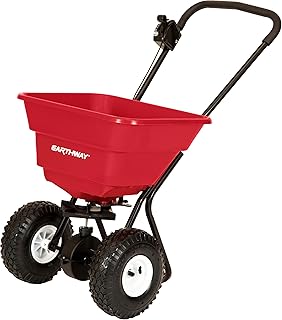
Dial In Consistent Overseeding Coverage
See why the Earthway 2050P remains a favorite for even overseeding results in our Earthway 2050P review.
Check Price on AmazonBest Time to Seed a Brand-New Lawn
Starting a lawn completely from bare soil is a bigger commitment than overseeding, and getting the timing right matters even more, since there’s no existing turf to fall back on if the new seed struggles.
Cool-Season New Lawns
Fall remains the top choice for the same reasons outlined earlier — warm soil, cool air, low weed pressure, and a full season to mature before summer heat. If construction or landscaping timelines force a spring start, plan for extra irrigation and weed management through the first summer, since the young lawn won’t yet have the root depth to handle drought stress well.
Warm-Season New Lawns
Late spring into early summer is ideal, giving the grass a long stretch of warm growing weather to establish before the following winter. Avoid starting a warm-season lawn from seed in fall — the grass simply won’t have time to mature before dormancy.
Whichever season you choose, new lawns benefit enormously from consistent, gentle watering in the first two to three weeks — the goal is to keep the top half-inch of soil consistently moist without pooling or runoff.
Timing Around Sod as an Alternative
It’s worth briefly mentioning sod as a comparison point, since it’s the most common alternative to seeding a new lawn and has a very different relationship with timing. Sod can technically be installed in almost any season as long as the ground isn’t frozen solid, since it arrives as already-established grass rather than something that needs to germinate. That flexibility comes at a significantly higher cost per square foot compared to seed, which is why most budget-conscious homeowners and larger properties still lean toward seeding despite its narrower timing window. If your project timeline genuinely can’t accommodate the ideal seeding season — for example, a home sale closing that requires finished landscaping by a specific date — sod may be worth the added expense specifically to sidestep the timing constraints covered throughout this guide.
Staging a New Lawn in Phases
For larger properties, some homeowners choose to stage a new lawn across two seeding seasons rather than trying to seed the entire area at once. This can make sense when soil conditions vary significantly across the property, or when budget constraints make it more practical to spread the cost of seed, soil amendments, and irrigation setup across two projects rather than one. If you go this route, prioritize seeding the areas most visible from the street or most heavily used first, and treat the second phase as a true continuation rather than an afterthought — using the same soil prep and seeding standards for both halves keeps the finished lawn looking uniform rather than patchworked.
Pre-Seeding Preparation Checklist
Timing gets you the right season and week, but preparation determines whether the seed actually has a fair shot at germinating once it’s down. Run through this checklist regardless of which season you’re seeding in:
- Mow low — cut existing grass shorter than usual (but not scalped) so seed can reach the soil surface.
- Dethatch if needed — a thick thatch layer blocks seed-to-soil contact entirely.
- Aerate compacted soil — core aeration opens channels for seed, water, and roots.
- Test and amend soil — a basic soil test tells you if pH or nutrient levels need correcting before seeding.
- Rake in loose soil or compost — light topdressing improves seed-to-soil contact, especially on bare patches.
- Calibrate your spreader — an incorrectly calibrated spreader is one of the most common causes of patchy results. Our guide on how to calibrate a spreader walks through the process step by step.
Why Preparation Matters Just as Much as Timing
It’s tempting to treat timing and preparation as two separate topics, but in practice they’re deeply connected. Seeding in the perfect week does little good if seed lands on top of thick thatch or compacted soil and never actually makes contact with bare earth. Conversely, excellent soil prep done in the wrong season still runs into the same weed pressure or temperature stress problems outlined throughout this guide. The two factors work together — good timing gives seed the right environmental conditions to germinate, while good preparation gives it physical access to the soil it needs to root into. Skipping either one significantly increases the odds of a disappointing, patchy result, regardless of how much effort went into the other.
A soil test in particular pays for itself many times over. Grass seed germinates and establishes far more reliably in soil with a near-neutral pH, generally in the 6.0 to 7.0 range. Soil that’s too acidic or too alkaline can lock up nutrients even when fertilizer is applied correctly, leading to weak, slow-growing seedlings regardless of how well-timed the seeding was. Basic soil test kits are inexpensive and widely available, and many local extension offices offer more detailed lab testing for a modest fee.
Watering and Aftercare by Season
Once seed is down, watering strategy needs to shift with the season to keep germination on track.
| Season | Watering Frequency | Key Risk |
|---|---|---|
| Spring | 1–2x daily, light | Sudden warm spells drying soil quickly |
| Summer | 2–3x daily, light | Heat stress and rapid evaporation |
| Fall | 1–2x daily, light | Overwatering during rainy stretches |
| Dormant/Winter | Minimal until spring thaw | Premature germination before hard freeze |
In every season, the underlying principle is the same: keep the top layer of soil consistently moist, never soaked, until seedlings reach mowing height (usually around three inches). After that point, you can transition to deeper, less frequent watering that encourages roots to grow down rather than staying near the surface.
Common Timing Mistakes to Avoid
- Seeding too late in fall — leaving no time for roots to establish before frost.
- Seeding warm-season grass in fall — cooling soil actively works against germination.
- Applying pre-emergent herbicide and seed in the same spring window — the herbicide blocks your own seed just as effectively as it blocks weeds.
- Ignoring soil temperature in favor of the calendar date — an unusually warm or cool year can shift the ideal window by two to three weeks in either direction.
- Skipping spreader calibration — leading to overlapping stripes of thick growth next to bare gaps.
Tools That Make Timing Easier
Even perfect timing can’t compensate for uneven seed distribution. Whatever season you’re seeding in, using the right spreader — properly calibrated — is what turns “the right week” into an actual thick, even lawn. Our resources on how to use a broadcast spreader and how to clean a lawn spreader cover the practical side of getting consistent results and keeping your equipment ready for the next seeding window.

Ready for the Next Seeding Window?
Whether you’re overseeding this fall or starting fresh in spring, having a reliable spreader on hand means you can act the moment soil temperatures hit the ideal range.
Check Price on AmazonFrequently Asked Questions
What month is best to spread grass seed?
For most cool-season lawns in the U.S., late August through mid-September is ideal. Warm-season lawns do best when seeded in May or June.
Is it better to spread grass seed in spring or fall?
Fall is better for cool-season grasses because of warm soil, cooler air, and less weed competition. Spring works better only for warm-season grasses.
Can I spread grass seed in the winter?
Yes, through a technique called dormant seeding, where seed is spread after soil has cooled below the germination threshold so it sprouts naturally in early spring.
How do I know if soil is warm enough to seed?
Use a soil thermometer at a two-to-three-inch depth. Cool-season grasses need at least 50°F; warm-season grasses need at least 65°F.
Does grass seed germinate faster in warm or cool soil?
Within its ideal range, warmer soil speeds up germination for any grass type, but soil that’s too hot or too cold for the specific grass species slows or prevents germination entirely.
What happens if I seed too late in the fall?
Seedlings may not have enough time to establish roots before winter, leading to poor survival rates and thin patches come spring.
Can I mix grass seed with pre-emergent weed killer application?
No. Pre-emergent herbicides prevent seeds of all kinds — including grass seed — from germinating, so the two should not be applied in the same window.
How long does it take grass seed to germinate after spreading?
Most cool-season grasses germinate in 7–21 days depending on species and conditions; warm-season grasses typically take 10–30 days.
Should I water grass seed every day?
Yes, light watering once or twice a day is typical until seedlings reach mowing height, at which point watering frequency can decrease while depth increases.
Is early morning the best time of day to spread grass seed?
Yes. Spreading in the early morning avoids midday heat and wind, and lines up naturally with morning watering routines that help settle seed into the soil.
Can I overseed and seed a new lawn at the same time of year?
For cool-season grasses, yes — both tasks share the same ideal fall window, so many homeowners handle repairs and thickening in the same session.
Does rain affect the best time to spread grass seed?
Light, steady rain shortly after seeding is beneficial, but heavy downpours can wash seed away, especially on slopes, so it’s best to check the forecast before spreading.
Conclusion: Match the Season to Your Grass Type
The single biggest lever you can pull for lawn success isn’t the seed brand, the fertilizer, or even the spreader — it’s timing. Cool-season lawns do their best work when seeded in early-to-mid fall, taking advantage of warm soil, cooling air, and a natural lull in weed competition. Warm-season lawns flip that script entirely, thriving when seeded in late spring through early summer as soil warms toward their preferred range.
Get the season right, prep your soil properly, and spread seed evenly with a well-calibrated spreader, and you’ll give your lawn the best possible shot at thick, even, long-term coverage — without wasting a second bag of seed on a window that was never going to work.
Shop Spreaders & Seeding Tools on Amazon