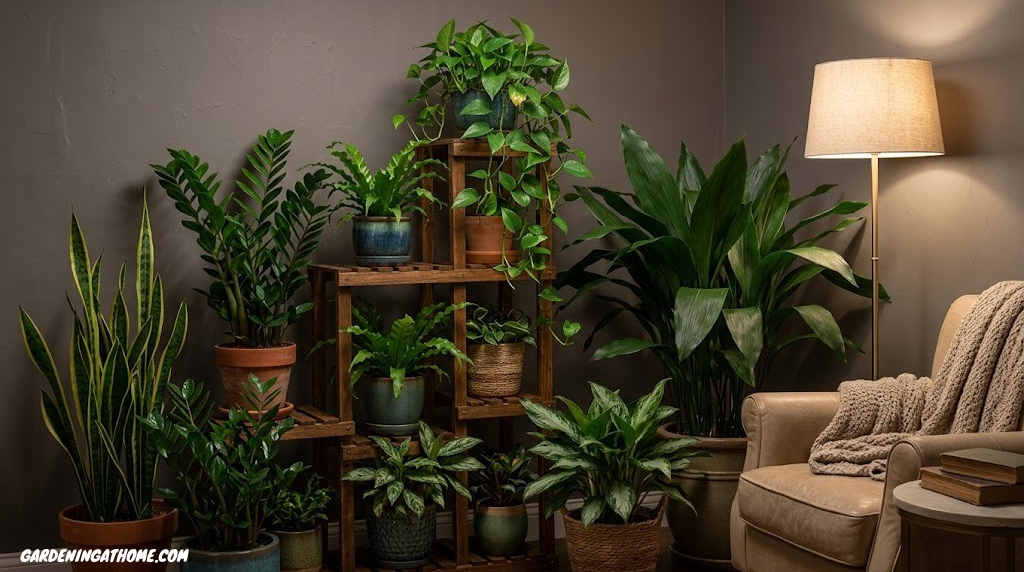
Thriving in the Shadows: Indoor Plants That Love Dim Rooms
Sturdy, forgiving species that turn your darkest corners and north-facing windows into genuine greenery.
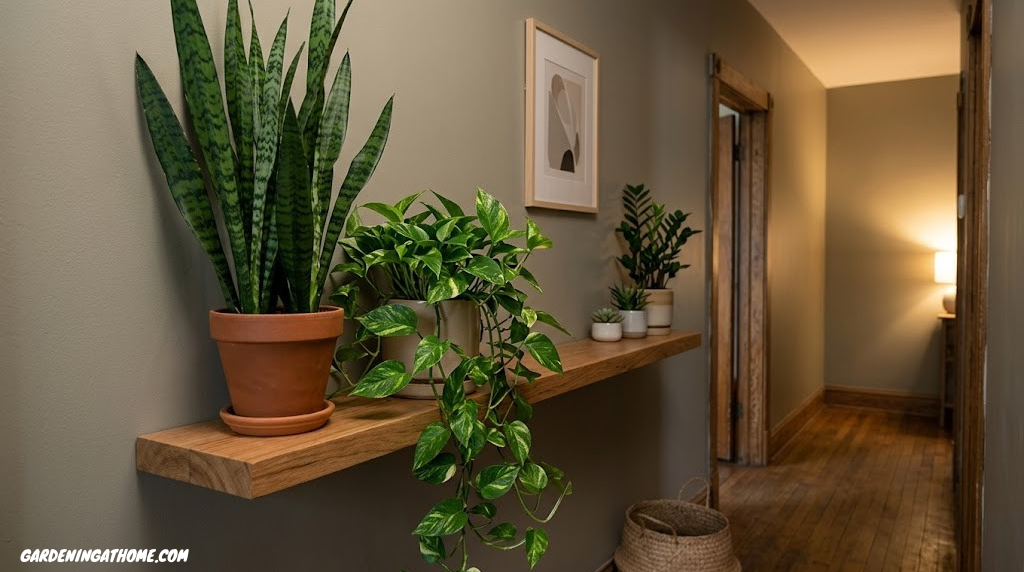
What “Low Light” Actually Means Indoors
Before picking a single plant, it helps to know what you’re actually working with — because “low light” gets used loosely, and that vagueness is where most plant disappointments start.
Plant tags and houseplant guides throw around terms like “low light,” “bright indirect,” and “full sun” as though they’re precise measurements, but in practice they’re rough categories that depend heavily on your specific room. A north-facing window in a sunny climate can deliver more usable light than a south-facing window blocked by a neighboring building. Context matters more than compass direction alone.
A genuinely useful way to think about low light indoors: it’s any spot where you wouldn’t comfortably read fine print without artificial light on an overcast afternoon, but where some daylight still reaches during the day. This includes a few feet back from a window, a north-facing room with no direct sun exposure, an interior hallway lit only by light spilling in from adjacent rooms, or a bathroom with a small frosted window.
Bright Direct
Several hours of direct sun hitting the leaves. Right at or very near an unobstructed south or west window.
Bright Indirect
Strong daylight but no direct sun rays on the leaves. A few feet back from a sunny window, or right at an east window.
Medium / Low
Noticeably dimmer but still clearly daylit. North-facing rooms or several feet from any window.
Very Low
Interior rooms, deep corners, or hallways with only borrowed light from other spaces. The trickiest category.
It’s worth being honest about one thing upfront: there’s no such thing as a houseplant that needs literally zero light. What gets marketed as a “no light” or “low light” plant is really a species that’s evolved to photosynthesize efficiently using small amounts of light, often because in its native habitat it grows on a forest floor under a dense canopy rather than out in open sun. That biological background is exactly why these plants work so well in dim apartments and offices.
If you’re just getting your gardening footing in general, our broader gardening at home hub and guide to starting a garden from scratch are useful starting points alongside this one, and our piece on understanding full sun vs partial shade covers the brighter end of this same light spectrum in more detail.
A simple test: Hold your hand about a foot above the spot you’re considering for a plant, around midday. If you see a soft, fuzzy-edged shadow, that’s typically medium to low light — workable for most plants on this list. A sharp, well-defined shadow means you actually have more light than you think, and a wider range of plants becomes available to you.
How Plants Adapt to Dim Conditions
Understanding the actual biology behind low-light tolerance helps explain why some plants thrive in shade while others sulk and decline, and it makes the care adjustments later in this guide make a lot more intuitive sense.
Bigger, Thinner Leaves
Many shade-tolerant plants — pothos, peace lily, and certain philodendrons among them — develop broader, thinner leaves than their sun-loving counterparts. A larger leaf surface area captures more of the limited light available, while thinner tissue requires less energy to build and maintain. This is the same evolutionary logic you’ll see on an actual forest floor, where understory plants spread wide, thin leaves to catch whatever sunlight filters through the canopy above.
Higher Chlorophyll Density
Shade-adapted plants often pack more chlorophyll into their leaf tissue than sun-loving species, which is part of why they frequently appear as a deeper, richer green. More chlorophyll means more light-capturing molecules per square inch of leaf, partially compensating for the lower overall light intensity they receive.
Slower Metabolic Rate
Because available light caps how much energy a plant can produce through photosynthesis, low-light tolerant species have generally evolved a slower overall metabolism. They grow new leaves more slowly, use water more gradually, and don’t deplete soil nutrients as quickly as fast-growing sun plants. This is precisely why their care requirements differ so much from a sun-loving plant’s — everything downstream of light availability slows down to match.
Underground Energy Storage
Some of the toughest low-light survivors, like the ZZ plant and certain snake plant varieties, store energy in thick rhizomes or tuberous roots underground. This buffer lets them coast through stretches of particularly dim conditions or inconsistent care by drawing on reserves, rather than relying purely on whatever light is currently available.
Why this matters practically: Once you understand that low-light plants are running on a slower metabolic system overall, it becomes obvious why overwatering is the single biggest killer in this category — their roots simply can’t use water as fast as a sun-loving plant’s roots can, so excess moisture sits in the soil far longer than expected.

📊 Editor’s Tool Pick
Digital Plant Light Meter
Stop guessing whether a spot is “low” or “medium” light. A simple handheld meter gives you an actual foot-candle or lux reading for any room in your home.
Check Price on Amazon →The Top 10 Plants for Low-Light Rooms
These picks were evaluated on genuine low-light tolerance, forgiveness toward inconsistent care, and overall resilience — not just whichever plants happen to be trending in home decor photos.
ZZ Plant (Zamioculcas zamiifolia)
The ZZ plant has earned a reputation as close to indestructible, and for low-light rooms specifically, it’s hard to find a better match. Its glossy, dark green leaflets grow from thick underground rhizomes that store water and energy, letting the plant coast through both dim conditions and inconsistent watering without visible stress. This is genuinely one of the few houseplants that performs almost as well in a windowless office as it does near a bright window.
✓ Pros
- Tolerates near-total neglect for weeks
- Glossy foliage stays attractive year-round
- Genuinely thrives in very dim interior rooms
✗ Cons
- Mildly toxic if ingested — caution with pets
- Very slow growth means a long wait for size
- Sensitive to overwatering despite drought tolerance
Pothos (Epipremnum aureum)
Pothos might be the single most adaptable houseplant in cultivation, performing well across an enormous light range while staying visually appealing the entire time. In low light, solid green varieties tend to hold up better than heavily variegated ones, since variegation depends on having enough light to support the non-photosynthetic white or yellow patches without the plant suffering overall energy loss. Its trailing habit also makes it ideal for shelves, hanging planters, or training up a small trellis or moss pole.
✓ Pros
- Extremely easy to propagate from cuttings
- Tolerates a very wide range of light levels
- Fast-growing, fills space quickly
✗ Cons
- Mildly toxic to pets if chewed
- Variegated types lose pattern in low light
- Vines can get unruly without occasional pruning
Snake Plant (Dracaena trifasciata)
Snake plant’s stiff, upright leaves bring strong architectural presence to a room while asking for almost nothing in return. Like the ZZ plant, it stores reserves in thick rhizomes, which is exactly why it tolerates both low light and irregular watering so well — the plant simply isn’t relying on constant external inputs to stay alive. It’s frequently mentioned alongside other species studied for indoor air quality benefits, which makes it a popular pick for bedrooms and offices alike.
✓ Pros
- Extremely drought and neglect tolerant
- Bold, sculptural shape suits modern decor
- Among the most studied air-filtering houseplants
✗ Cons
- Mildly toxic if ingested by pets
- Rot risk if overwatered, especially in low light
- Slow to produce new growth
Peace Lily (Spathiphyllum)
Peace lily is one of the few genuinely low-light tolerant plants that still produces flowers indoors, sending up elegant white blooms even in fairly dim rooms, though less frequently than in brighter conditions. It also has a useful built-in feedback mechanism: leaves droop visibly within a day or two of getting too dry, then perk back up dramatically within hours of watering, making it almost foolproof to read.
✓ Pros
- Visually signals when it needs water
- Occasional flowering even in dim rooms
- Frequently cited for indoor air benefits
✗ Cons
- Toxic to pets and mildly irritating if chewed
- Prefers consistently moist (not soggy) soil
- Brown leaf tips if humidity is too low
Parlor Palm (Chamaedorea elegans)
Parlor palm brings a soft, feathery, tropical look to dim corners without the toxicity concerns that come with several other entries on this list, making it a strong choice for households with curious pets or small children. Its slow, compact growth habit also means it rarely outgrows its space the way some faster, larger houseplants eventually do.
✓ Pros
- Non-toxic — safe for pets and children
- Soft, attractive texture in dim rooms
- Stays compact, rarely needs repotting
✗ Cons
- Prefers humidity above very dry indoor air
- Slower to fill out a space than vining plants
- Spider mites can appear in dry conditions

🥇 Top Pick Bundle
ZZ Plant & Snake Plant Live Starter Bundle
The two toughest, most forgiving low-light plants on this list, shipped together. A reliable way to fill a dim corner with greenery that’s nearly impossible to kill.
View on Amazon →Spider Plant (Chlorophytum comosum)
Spider plant produces arching, ribbon-like leaves and, with time, sends out small plantlets on long stems that can be rooted into entirely new plants at no extra cost. It’s forgiving of low light, though variegation is generally more pronounced with a bit more brightness. Its non-toxic profile and easy propagation make it one of the most commonly passed-along houseplants between friends and family.
✓ Pros
- Non-toxic and pet-friendly
- Produces free baby plants over time
- Handles a wide light range well
✗ Cons
- Brown leaf tips common with tap water minerals
- Can look sparse in very low light long-term
- Plantlets need eventual rooting or trimming
Cast Iron Plant (Aspidistra elatior)
True to its name, the cast iron plant is built for neglect and dim conditions, with broad, dark green, leathery leaves that hold up well against inconsistent care. It’s a slower grower than pothos or spider plant, but for a deeply shaded corner that needs a substantial, leafy presence rather than a small accent piece, few plants compete with its sheer toughness.
✓ Pros
- Among the most shade-tolerant plants available
- Large, leathery leaves add real visual weight
- Highly resistant to neglect
✗ Cons
- Very slow growth tests patience
- Less commonly stocked than trendier houseplants
- Can look plain without companion plants nearby
Heartleaf Philodendron
Heartleaf philodendron offers a similar growing experience to pothos — fast, trailing, and adaptable across a wide light range — but with a slightly softer, heart-shaped leaf and a touch more shine. It’s an excellent companion plant to mix with stiffer, upright species like snake plant for visual contrast on a shelf or windowsill that doesn’t get much direct light.
✓ Pros
- Easy to propagate and share
- Fast growth fills shelves and trellises quickly
- Tolerates a broad light range
✗ Cons
- Toxic to pets if ingested
- Vines need occasional pruning to stay tidy
- Can look stretched and sparse in very dim corners
Lucky Bamboo (Dracaena sanderiana)
Lucky bamboo isn’t true bamboo at all, but a Dracaena species that can grow happily in just water and pebbles rather than soil, making it a low-mess option for a windowless bathroom or office desk. Its tolerance for dim conditions and humid environments specifically makes it a strong fit for spaces that other plants on this list might find a little too damp or enclosed.
✓ Pros
- No soil required, minimal mess
- Thrives in humid, low-light bathrooms
- Compact size suits small desks and shelves
✗ Cons
- Toxic to pets if chewed
- Sensitive to chlorinated tap water over time
- Stems can yellow if water isn’t refreshed regularly
Calathea
Calathea brings genuinely striking patterned foliage to a dim room, with leaves marked in stripes, feathering, or contrasting undersides depending on the variety. It’s slightly less forgiving than the toughest entries on this list and prefers consistent humidity, but for someone willing to put in a touch more attention, the visual payoff in a shaded space is considerable. It’s also non-toxic, making it a good pairing alongside parlor palm and spider plant in pet-owning households.
✓ Pros
- Strikingly patterned, non-toxic foliage
- Performs well in genuinely low light
- Adds visual texture distinct from other entries
✗ Cons
- Wants higher humidity than average household air
- Slightly fussier than top picks on this list
- Leaves can curl if conditions are too dry
Quick Comparison: Low-Light Plants at a Glance
Use this table to match each plant to your specific room conditions, care bandwidth, and any pet safety needs.
| Plant | Light Tolerance | Watering Frequency | Pet Safe? | Growth Speed |
|---|---|---|---|---|
| ZZ Plant | Very Low–Bright | Every 2–3 weeks | No | Slow |
| Pothos | Low–Bright | Weekly | No | Fast |
| Snake Plant | Very Low–Bright | Every 2–4 weeks | No | Slow |
| Peace Lily | Low–Medium | Weekly | No | Medium |
| Parlor Palm | Low–Medium | Weekly | Yes | Slow |
| Spider Plant | Low–Bright | Weekly | Yes | Fast |
| Cast Iron Plant | Very Low–Medium | Every 1–2 weeks | Yes | Very Slow |
| Heartleaf Philodendron | Low–Bright | Weekly | No | Fast |
| Lucky Bamboo | Low–Medium | Top off weekly | No | Slow |
| Calathea | Low–Medium | Weekly | Yes | Medium |

🐾 Pet-Safe Pick
Non-Toxic Low-Light Plant Trio
Parlor palm, spider plant, and calathea — three genuinely pet-safe options that still handle dim rooms with ease.
View on Amazon →Where to Place Each Plant Type in Your Home
The right plant in the wrong room still struggles. Matching placement to plant type is just as important as the initial selection.
North-Facing Rooms
North-facing rooms (in the northern hemisphere) receive the most consistently even, low-intensity light of any orientation, with no direct sun ever hitting the glass. This makes them a genuinely good match for pothos, philodendron, peace lily, and calathea — all plants that appreciate steady, gentle light without the risk of leaf scorch that a sunnier window might bring.
Interior Hallways and Windowless Rooms
These are the toughest spaces on this list, relying entirely on borrowed light from adjacent rooms or artificial lighting. ZZ plant, snake plant, and cast iron plant are the most realistic choices here, since their slow metabolism and underground energy reserves let them tolerate stretches with minimal usable light better than almost anything else available.
Bathrooms With Small or Frosted Windows
The combination of low light and elevated humidity in many bathrooms actually suits a specific subset of plants well, particularly lucky bamboo and certain philodendron varieties that appreciate the moisture in the air even as light stays limited.
Office Desks and Cubicles
Workspaces often combine low ambient light with infrequent care, since plants get forgotten during busy weeks. ZZ plant and snake plant again stand out here for their tolerance of irregular watering schedules, while spider plant offers a softer look for anyone wanting something less rigid-looking on a desk.
A placement tip worth remembering: Rotating a low-light plant a quarter turn every few weeks helps it grow evenly rather than leaning and stretching toward whatever light source it can find, which is a particularly common issue in interior rooms with only one weak light direction.
Watering & Care Adjustments for Low-Light Conditions
Standard houseplant care advice is usually written with brighter conditions in mind, and applying it directly to a low-light plant is one of the most common ways well-meaning plant owners accidentally harm a plant that would otherwise be thriving.
Water Less Often Than You Think
Because low-light plants photosynthesize and transpire more slowly, their soil simply stays moist for longer between waterings compared to the same species in bright light. The finger test — checking actual soil moisture about two inches down before watering — is more reliable here than any fixed schedule, since “water every Sunday” advice often originates from brighter-light growing conditions than what a true low-light room provides. Our detailed look at signs of overwatering vs underwatering covers the visual cues to watch for if you’re unsure which direction a struggling plant is leaning. Consistently soggy soil in a slow-drying low-light pot is also the classic setup for fungus gnats, so if you start noticing small flying insects around a plant, our piece on how to get rid of fungus gnats naturally is worth a look before the issue spreads to other containers nearby.
Choose Pots With Real Drainage
Drainage matters even more in low light, since excess water has more time to sit in the soil before the plant’s slower metabolism can use it up. Our guide on how to choose the right pot size for plants applies directly here — slightly smaller pots with functioning drainage holes are generally safer for low-light plants than oversized containers that hold excess moisture far longer than the roots can use.
Use a Well-Draining Potting Mix
A standard all-purpose potting mix amended with a bit of perlite for extra drainage works well for most plants on this list. Our broader piece on best potting soil mix for indoor plants goes into specific blend recommendations, several of which are particularly well-suited to slower-growing, low-light species that benefit from soil that dries evenly rather than staying soggy.
Fertilize Less Frequently
Slower growth from limited light means slower nutrient uptake too. Cutting fertilizing frequency roughly in half compared to a bright-light care routine — often once every six to eight weeks during the active growing season rather than every two to four — prevents a buildup of unused salts in the soil that can eventually damage roots. Our guide on how and when to fertilize house plants covers dilution rates and timing in more depth.
Dust Leaves Regularly
This step gets overlooked constantly, but dust accumulation on leaves measurably blocks light absorption, which matters far more for a plant already working with limited light than for one sitting in a bright window. Wiping broad-leafed plants like ZZ plant, snake plant, or peace lily with a damp cloth every few weeks keeps their light-capturing surface working at full capacity. A soft microfiber cloth and a small pair of pruning snips for removing the occasional yellowed leaf are really all the dedicated equipment this task requires — our roundup of essential gardening tools for beginners covers these basics along with a few other low-cost items worth having on hand.

🌱 Care Essential
Slow-Release Indoor Plant Fertilizer
A gentler, slow-release formula suited to the reduced feeding needs of low-light houseplants. Less guesswork than diluting liquid fertilizer yourself.
View on Amazon →Warning Signs of Too Little Light
Even the toughest low-light plants have a lower limit. Recognizing the early signals that a plant needs a brighter spot prevents a slow decline from going unnoticed for months.
Leggy, Stretched Growth
When a plant isn’t getting enough usable light, it often stretches — producing longer, weaker stems with more space between leaves as it tries to reach toward any available light source. This phenomenon, sometimes called etiolation, is one of the clearest visual signs that a plant has dropped below its minimum light threshold.
Smaller New Leaves
Compare a plant’s most recent leaves to older ones lower on the stem. If new growth is consistently smaller than what came before, it’s a sign the plant doesn’t have enough energy from available light to produce leaves at its previous size — a subtler but very reliable indicator.
Stalled Growth Over Several Months
Some seasonal slowdown is completely normal, particularly in winter when daylight hours shrink even further. But a complete stop in new growth across multiple consecutive months, especially during what should be the active growing season, suggests the light level has dropped below what the plant can work with.
Fading Variegation
In variegated plants — pothos and philodendron varieties especially — insufficient light often triggers a gradual shift toward more solid green leaves. This happens because plain green tissue, rich in chlorophyll, photosynthesizes more efficiently than the white or yellow patches, so the plant essentially reverts to a more efficient leaf type as a survival response.
Yellowing Lower Leaves
While yellowing can stem from several causes, a pattern of older, lower leaves yellowing and dropping while the plant otherwise seems stable is sometimes the plant naturally shedding leaves it can no longer afford to support energetically, redirecting limited resources toward fewer, healthier leaves higher up.
Before assuming it’s a light problem: Several of these symptoms overlap with watering issues, pest problems, or nutrient deficiencies. Rule out obvious watering mistakes first using the finger test, since light-related decline tends to be gradual and consistent across the whole plant, while watering or pest issues often show up more suddenly or unevenly.
When to Add a Grow Light
Not every low-light room needs supplemental lighting, but certain situations make a basic grow light a genuinely worthwhile investment rather than an unnecessary gadget.
Signs You’d Benefit From a Grow Light
- You’ve noticed several of the warning signs above across multiple plants, not just one struggling individual
- Your space is a true windowless interior room with zero borrowed daylight
- You’re trying to grow a wider variety of plants than your natural light alone realistically supports
- Winter daylight hours in your region drop significantly, noticeably slowing growth on plants that did fine in summer
Choosing a Basic Setup
A simple LED grow light, positioned roughly one to two feet above the plant canopy and run for around eight to twelve hours daily on a basic timer, covers the needs of most low-light houseplants without requiring specialized horticultural lighting knowledge. Full-spectrum LED bulbs are widely available now and fit into many standard household fixtures, making this a far less intimidating upgrade than it sounds.
| Situation | Grow Light Needed? | Recommended Daily Duration |
|---|---|---|
| North-facing room, some daylight | Optional, helps in winter | 6–8 hours supplemental |
| Interior room, no windows | Yes, generally required | 10–12 hours |
| Office desk, fluorescent overhead only | Helpful but not always essential for tough species | 8–10 hours supplemental |
| Bright room, just want faster growth | Optional | 4–6 hours supplemental |
It’s worth setting realistic expectations here too: a basic consumer grow light supplements natural light well but rarely fully replaces strong, direct sun for genuinely sun-loving species. For the plants featured throughout this guide, however, a modest grow light setup is often more than sufficient to keep them thriving indefinitely.

💡 Grow Light Pick
Full-Spectrum LED Clip Grow Light
A simple clip-on light with a built-in timer, suited to supplementing low-light rooms or windowless interior spaces without complicated setup.
View on Amazon →Pet Safety Considerations
Light tolerance and pet safety are entirely unrelated plant characteristics, which means it’s easy to fall in love with a great low-light plant that turns out to be a poor fit for a household with curious cats or dogs.
Plants From This Guide That Are Pet-Safe
- Parlor palm — non-toxic, safe even if nibbled
- Spider plant — non-toxic, though it can have a mild laxative effect if eaten in large quantities by cats specifically
- Cast iron plant — non-toxic and very tough against curious pets
- Calathea — non-toxic, a safe patterned-foliage option
Plants From This Guide That Need Caution
- ZZ plant — mildly toxic if chewed, causing oral irritation
- Pothos — mildly toxic, can cause mouth and throat irritation
- Snake plant — mildly toxic, similar irritation symptoms
- Peace lily — toxic, can cause more significant irritation than the others on this list
- Heartleaf philodendron — toxic if ingested
- Lucky bamboo — toxic, particularly concerning for dogs
Always verify before buying: Toxicity information can be updated as research develops, so checking a current ASPCA toxic and non-toxic plant list or consulting your veterinarian before introducing any new plant to a pet household is the safest approach, rather than relying solely on general guides like this one.
Placement can also reduce risk even with a mildly toxic plant — situating it on a high shelf, in a hanging planter, or in a room pets don’t access freely lowers the practical danger considerably compared to leaving it at floor level where a curious pet has easy access.
Common Mistakes to Avoid With Low-Light Plants
Most low-light plant failures trace back to one of a handful of repeated mistakes, almost all of which are easy to correct once identified.
Mistake 1: Watering on a Fixed Calendar Schedule
This is the single most common error. A watering routine that works for a bright-light plant will almost always overwater a low-light plant of the same species, since the latter is using water far more slowly. Switch to checking actual soil moisture rather than following a date on a calendar.
Mistake 2: Choosing Pots Without Drainage Holes
Decorative pots without drainage are especially risky for low-light plants, since excess water has nowhere to go and sits in the soil for an extended period given the plant’s already-slow water uptake. Always use a properly draining nursery pot, with a decorative cachepot as the outer layer if desired.
Mistake 3: Expecting Fast Growth
Slow growth in low light is the expected, healthy outcome — not a sign something’s wrong. Comparing a low-light ZZ plant’s growth rate to a sun-drenched pothos and assuming the ZZ plant is struggling is a misunderstanding of what each plant’s biology is actually built for.
Mistake 4: Skipping the Acclimation Period for New Plants
Plants purchased from a brightly lit greenhouse or garden center need a short adjustment period when moved into a noticeably dimmer home environment. Some leaf drop in the first few weeks is normal as the plant adjusts its leaf density to match its new, lower light reality — it’s not necessarily a sign of poor plant health.
Mistake 5: Ignoring Dust Buildup
As covered earlier, dust on leaves measurably reduces the light a plant can actually use, which matters disproportionately in already-limited light conditions. A quick wipe-down every few weeks is a small effort with a real payoff for plants working with minimal light to begin with.
Mistake 6: Forcing a Sun-Loving Plant Into Dim Conditions
Not every houseplant can be coaxed into tolerating low light just through careful care. Plants genuinely bred or evolved for bright, direct sun — many succulents and most flowering annuals among them — will decline in a dim room regardless of how well everything else is managed. Choosing from genuinely shade-adapted species, as covered throughout this guide, sets up success from the start rather than fighting a losing battle with the wrong plant.
Mistake 7: Assuming a Full Low-Light Collection Has to Be Expensive
Many of the toughest low-light plants on this list, particularly pothos, spider plant, and heartleaf philodendron, propagate readily from a single cutting shared by a friend or even taken from a nursery plant you already own. Building out a fuller collection over time through propagation rather than buying every plant new keeps costs down considerably, and our broader list of cheap gardening ideas for beginners covers several other low-cost approaches that apply just as well to houseplants as to a garden bed.
Styling Low-Light Spaces With Plants
A thoughtfully arranged collection of low-light plants can make a dim room feel intentional and calm rather than simply underlit.
Layer Heights and Textures
Mixing upright, structural plants like snake plant or cast iron plant with trailing varieties like pothos or philodendron creates visual depth that a uniform row of similar-shaped plants doesn’t achieve. Adding a feathery texture like parlor palm into the mix rounds out the variety further.
Use Reflective Surfaces Strategically
Mirrors and light-colored or glossy surfaces placed near a plant grouping bounce additional ambient light around a dim room, subtly improving conditions for the plants while also making the space feel brighter overall — a styling choice that does double duty.
Group Plants With Similar Care Needs
Beyond the visual benefit, clustering plants with similar watering and humidity preferences together simplifies care routines considerably. A grouping of calathea, peace lily, and parlor palm — all of which appreciate slightly more consistent moisture and humidity than the toughest succulent-like options — creates a natural microclimate that benefits everyone in the cluster.
Don’t Overcrowd a Single Dim Corner
It’s tempting to fill every available low-light spot with plants, but overcrowding can reduce airflow and create humidity pockets that encourage fungal issues, particularly in already-dim, slower-drying conditions. Leaving a little breathing room between containers supports healthier long-term growth, even if it means a slightly sparser initial look.
If your low-light styling efforts extend into a balcony or semi-enclosed outdoor space rather than purely an interior room, our guide on balcony gardening ideas for apartments covers shaded balcony conditions specifically, and our piece on indoor plants that purify the air overlaps meaningfully with several entries on this list if air quality is a secondary priority alongside the styling itself.
Can You Grow Anything Edible in Low Light?
Decorative foliage isn’t the only option for a dim room. A smaller, realistic category of edible plants tolerates low light better than most people expect.
It’s worth being upfront that low light is a genuine limitation for most edible plants, since fruiting and flowering generally demand more energy than a shade-tolerant foliage plant needs to simply maintain its leaves. That said, a handful of options still perform reasonably well in dimmer conditions, particularly when paired with a modest grow light setup like the one covered earlier in this guide.
Shade-Tolerant Herbs
Mint and certain varieties of parsley and chives tolerate medium to low light noticeably better than sun-hungry herbs like rosemary or thyme. They won’t grow as vigorously as they would on a bright windowsill, but they remain genuinely viable in a north-facing kitchen or a room a few feet back from a window. Our guide on how to start an indoor herb garden covers the fuller range of herb options and which ones specifically need brighter conditions to thrive versus which can manage with less.
Microgreens as a Low-Light Workaround
Microgreens are something of an exception to the general rule that edibles need strong light, since their entire growing cycle happens before the plant would normally need to flower or fruit. A tray grown under a basic grow light, or even near a moderately bright but indirect window, can produce a genuine harvest in one to three weeks regardless of a room’s overall dimness. Our guide on growing microgreens at home without soil walks through the full process, and it remains one of the more realistic edible options for a low-light apartment.
Setting Realistic Expectations for Vegetables
True fruiting vegetables, including the patio tomato varieties covered in our guide on how to grow tomatoes on a balcony, generally need considerably more light than any plant on this list can substitute for. If a low-light interior room is genuinely your only growing space, leafy greens and the herbs mentioned above represent a more realistic edible category than fruiting vegetables, which tend to disappoint without several hours of strong, direct light daily. For a broader sense of which vegetables ask for the least light overall, our piece on easiest vegetables to grow in pots is a useful companion resource, even though most entries there still want considerably more brightness than a true low-light room provides.
The honest takeaway: If your space is genuinely dim, lean into the foliage plants featured throughout this guide rather than fighting for a vegetable harvest that brighter conditions would make far easier. A thriving ZZ plant collection will always outperform a struggling tomato plant in the same dim corner.

🪴 Styling Pick
Tiered Plant Stand for Layered Display
A simple multi-tier stand that lets you layer trailing and upright low-light plants together for a fuller, more intentional look in any dim corner.
View on Amazon →Frequently Asked Questions
What counts as low light for indoor plants?
Low light typically means a spot several feet from any window, a north-facing window with no direct sun, or a room lit mainly by indirect daylight bouncing off walls. If you can comfortably read a book without turning on a lamp during the day, the space usually qualifies as low to medium light.
Can any plant truly survive with zero natural light?
No plant can survive indefinitely with absolutely zero light, since photosynthesis requires some light energy to function. What’s marketed as a “no light” plant actually tolerates very low ambient or artificial light, and even the hardiest low-light species need at least some indirect daylight or a grow light to stay healthy long term.
What is the easiest low-light plant to keep alive?
The ZZ plant and snake plant are widely considered the most forgiving low-light options because they tolerate inconsistent watering, low humidity, and dim conditions without significant decline, making them ideal for beginners or busy households.
Do low-light plants need less water than other houseplants?
Generally yes. Plants in lower light photosynthesize and use water more slowly, so their soil stays moist longer. Watering on the same schedule used for a sunny-window plant is one of the most common causes of root rot in low-light houseplants.
Will low-light plants eventually die without more sun?
True low-light tolerant species won’t die simply from lack of bright sun, but they will grow more slowly and may produce smaller or fewer new leaves than the same plant in brighter conditions. This is a normal trade-off rather than a sign of decline.
Can low-light houseplants help purify indoor air?
Several low-light tolerant species, including pothos, snake plant, and peace lily, are among the houseplants studied for their ability to filter certain indoor air pollutants, though the effect in a typical room is modest compared to mechanical air filtration. Our piece on indoor plants that purify the air covers this topic in more depth.
How do I know if my plant isn’t getting enough light?
Signs of insufficient light include leggy stretched growth toward the nearest light source, smaller new leaves than older ones, slowed or stalled growth over several months, and in variegated plants, a gradual loss of pattern as the plant produces more plain green chlorophyll-rich tissue.
Are low-light plants safe around pets?
Pet safety varies significantly by species and isn’t related to light tolerance. Snake plant and pothos are mildly toxic if chewed, while spider plant and parlor palm are considered non-toxic options. Always check a specific plant against a current ASPCA or veterinary toxic plant list before bringing it into a pet household.
Can I use artificial grow lights instead of natural light?
Yes, a basic LED grow light positioned a foot or two above a plant for several hours daily can supplement or substitute for natural light effectively, particularly in windowless rooms or during darker winter months.
Why do low-light plants grow more slowly than other houseplants?
Light is the primary energy source driving photosynthesis, so less available light naturally caps how much energy a plant can produce and therefore how fast it can grow new tissue, regardless of how well-watered or fertilized it is.
Is it bad to move a low-light plant into direct sun?
Moving a plant adapted to low light directly into strong sun can cause leaf scorch, since the plant’s leaves are typically thinner and contain more chlorophyll, making them more sensitive to intense direct rays. Any light increase should be done gradually over a week or two.
How often should I fertilize low-light houseplants?
Because low-light plants grow more slowly, they typically need less frequent fertilizing than the same species in bright light, often once every six to eight weeks during the growing season rather than the standard two to four week interval.
Your Dim Corner Has More Potential Than You Think
The idea that a shadowy apartment or windowless office can’t support real greenery simply doesn’t match what shade-adapted plants are actually capable of. ZZ plant, snake plant, pothos, and the rest of this list have spent generations evolving exactly the traits needed to thrive where bright light never reaches — broad efficient leaves, slow steady metabolism, and underground reserves built for patience.
Start with one forgiving species in your dimmest spot, give it a few weeks to settle in, and let its response guide whether to expand the collection from there. Most low-light gardening disappointments come from rushing past that simple first step rather than from any real limitation in the room itself.
Shop Low-Light Plant Collections on Amazon →Affiliate disclosure: This article contains affiliate links to Amazon products. If you purchase through these links, we may earn a small commission at no extra cost to you. This does not influence our recommendations. All editorial opinions are our own.