What Is Urban Gardening? A Complete Guide to Growing Food and Flowers in the City
You do not need a backyard, a big budget, or a green thumb. Urban gardening turns balconies, windowsills, rooftops, and tiny corners into productive, beautiful growing space. Here is everything you need to understand it and start.
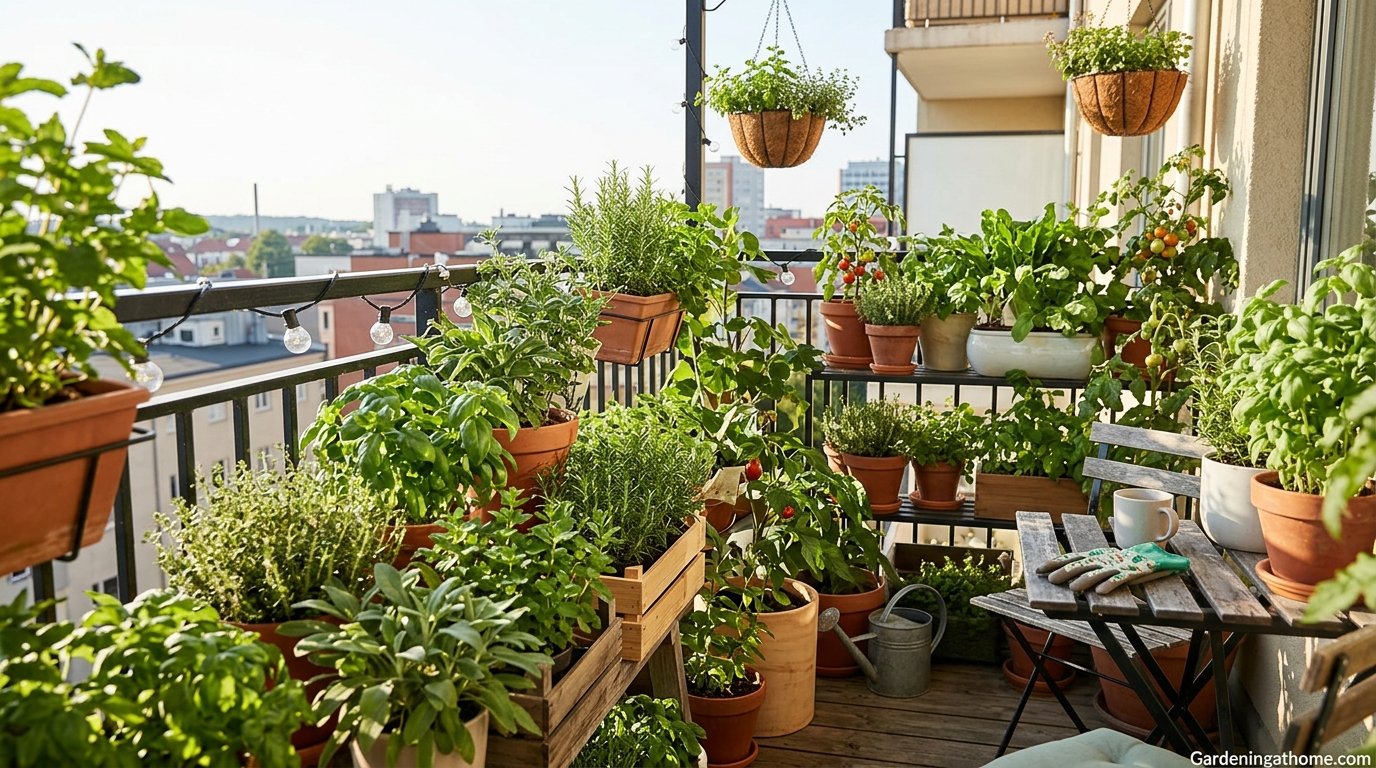
Picture a third-floor apartment with a narrow balcony, a few pots of basil, a tomato plant climbing a string, and a pot of trailing nasturtiums spilling over the railing. Now picture a school rooftop with raised beds full of lettuce, or a vacant lot turned into a neighborhood vegetable plot. These are all urban gardening, and they share one simple idea: growing plants wherever city life leaves you a little room.
If the idea appeals to you but you are not sure where to begin, you are in the right place. This guide explains what urban gardening is, why it has grown so popular, what styles exist, which plants thrive in tight spaces, and how to take your first practical steps. If you are still deciding whether gardening fits your life at all, our overview of gardening at home is a friendly starting point, and everything below builds on it.
What Urban Gardening Really Means
Urban gardening is the practice of growing plants, whether vegetables, herbs, fruit, flowers, or ornamentals, within a city or densely built-up area. It happens in places that were never designed for agriculture: balconies, patios, fire escapes, rooftops, windowsills, courtyards, shared lots, and even interior rooms lit by a window or a grow lamp. What defines it is not the type of plant but the constraint of space.
That constraint shapes everything. A suburban gardener might plant a long row of corn. An urban gardener asks different questions. How do I grow upward instead of outward? Which dwarf varieties produce the most in a twelve-inch pot? How do I make a shaded north-facing ledge productive? The answers lead to creative, efficient, surprisingly beautiful growing systems.
The Core Characteristics
- Small footprint. Most urban gardens occupy anywhere from a single windowsill to a few hundred square feet.
- Container-first thinking. Pots, grow bags, window boxes, and raised beds replace in-ground planting, because city soil is often paved over, compacted, or contaminated.
- Vertical and layered use of space. Trellises, wall planters, tiered shelves, and hanging baskets multiply the growing area without using more floor.
- Close to people. Food travels a few steps rather than hundreds of miles, and the garden becomes part of daily routine.
- Resourcefulness. Repurposed buckets, crates, and reclaimed wood often become planters, and kitchen scraps feed the soil.
Urban Gardening vs. Urban Farming
The two terms overlap, but they are not identical. Urban gardening usually refers to growing for personal enjoyment, household food, or community sharing. Urban farming leans commercial: producing food at a scale intended for sale, often with systems such as hydroponic towers or rooftop market plots. You can think of it as a spectrum, and many people drift along it. A hobbyist who starts with herbs might eventually supply a neighborhood market. We touch on that end of the spectrum later when we look at market gardening.
The short definition: Urban gardening is growing plants in and around the places where people live in cities, using creative techniques to make the most of limited space, light, and soil.
The good news is that none of this requires special credentials. A sunny windowsill and a pot with drainage holes already qualify you as an urban gardener.
Want everything in one box to get going? A starter kit bundles pots, soil, and seeds.
Browse Starter Kits on AmazonA Short History of City Growing
Growing food in cities is far older than the modern movement that carries the name. Ancient settlements fed themselves from plots tucked between houses and from fields right outside the walls. Medieval towns kept kitchen gardens, orchards, and herb beds inside their boundaries. Dense cities have always had to feed their people, and for most of history that meant growing a good deal of food nearby.
Industrialization and the Garden Movements
As industrial cities swelled, crowded housing and polluted air pushed gardening to the margins. Reformers responded. Allotment gardens, which gave working families small rented plots, spread across many countries as a way to improve diet and offer fresh air and purposeful work. These plots planted a seed that still bears fruit: the idea that everyone deserves access to a place to grow.
War and Wartime Gardens
During the twentieth century’s two world wars, governments encouraged ordinary citizens to grow their own vegetables to ease pressure on food supplies. Home plots, public parks, and vacant lots became productive. These “victory gardens” showed that millions of small, scattered gardens could add up to something meaningful, and they left a cultural memory of home food growing that people still draw on.
The Modern Revival
In recent decades, interest in local food, sustainability, and mental wellbeing has driven a fresh surge. Community gardens took root in neglected lots. Rooftop farms appeared on warehouses. Apartment dwellers discovered that a handful of containers could produce herbs, salad greens, and tomatoes. Technology helped too: compact LED grow lights, self-watering planters, lightweight potting mixes, and bred-for-containers varieties made small-space growing easier than it has ever been.
Today, with more than half of the world’s population living in urban areas, the movement feels less like a trend and more like a practical response. People want fresher food, greener neighborhoods, and a bit of connection to the natural world, and cities are finally making room for it.
Understanding this history helps explain what you will see in your own neighborhood. The community plot down the street, the herb boxes in a restaurant window, and the tomato vine on a neighbor’s balcony are all branches of the same long tradition.
Curious to dig deeper? Beginner-friendly gardening books make the learning curve gentler.
Find Gardening Books on AmazonWhy People Garden in Cities
People take up urban gardening for a mix of practical, emotional, and environmental reasons. Most gardeners say several of these matter at once. Let us walk through the biggest ones.
Fresher, Better-Tasting Food
A tomato picked at peak ripeness tastes nothing like one that was harvested green and shipped across the country. Herbs lose aroma quickly after cutting, so basil snipped seconds before it hits the pan has a clear advantage. Growing your own also lets you choose varieties that grocery stores rarely carry, such as purple basil, lemon cucumbers, or striped heirloom tomatoes.
Savings Over Time
Fresh herbs are expensive, and they often wilt before you finish a store-bought bunch. A single healthy herb plant can supply months of leaves. Salad greens, green onions, and radishes are cheap to grow and quick to harvest. The savings will not replace your grocery budget, but they add up, especially if you focus on high-value, fast-growing crops.
Mental and Physical Wellbeing
Spending time with plants is widely associated with lower stress and better mood. The rhythm of watering, checking, and harvesting gives a calm daily ritual. Gardening also involves gentle movement, such as bending, lifting, and reaching, and being outdoors brings sunlight and fresh air into routines that might otherwise be spent entirely indoors.
Greener Surroundings
Plants soften hard surfaces, provide shade, and offer food and shelter to pollinators. Containers on a balcony may feel small, but a row of flowering plants can give bees and hoverflies a welcome stop in a stretch of concrete. Indoors, houseplants brighten rooms, and some, like those in our guide to indoor plants that purify the air, are popular for the fresh, lived-in feel they add to a home.
Learning and Community
Gardening teaches patience, observation, and problem solving. It also connects people. Seed swaps, shared tools, and neighbors trading tips over a fence or a balcony railing build real relationships.
Honest Pros and Cons
Advantages
- Fresh herbs, greens, and vegetables steps from your kitchen
- Low startup cost if you start small
- Flexible: works in apartments, rooftops, and windows
- Boosts mood and creates a calming routine
- Supports pollinators and greener cityscapes
Challenges
- Limited space caps how much you can grow
- Containers dry out quickly in heat and wind
- Light can be restricted by buildings or orientation
- Weight limits on balconies and rooftops need checking
- Lease or building rules may restrict what you can do
None of the challenges are dealbreakers. Nearly all of them have simple workarounds, which the rest of this guide will cover.
A compact herb kit is one of the easiest ways to enjoy these benefits right away.
Browse Herb Garden Kits on AmazonTypes of Urban Gardening
Urban gardening is not one method. It is a family of approaches, and the right one depends on your space, schedule, and goals. Here are the most common styles, along with where each one shines.
Container Gardening
The foundation of most city gardens. Plants grow in pots, buckets, window boxes, and grow bags. You control the soil, move plants to chase the sun, and avoid problems that come with poor ground. Container gardening works almost anywhere with light.
Balcony and Patio Gardening
Balconies are a natural fit for compact food crops and flowers. Railings can hold planters, walls can host trellises, and a small bistro table can double as a potting station. For layout ideas that work in tight outdoor spaces, take a look at these balcony gardening ideas for apartments.
Indoor Gardening
Windowsills, shelves, and grow-light setups let you garden year-round. Foliage plants, herbs, and microgreens do especially well. If your rooms get little sun, many plants tolerate it, and you can explore the best indoor plants for low light before you buy.
Vertical Gardening
When floor space is tight, grow up. Wall-mounted pockets, tiered stands, hanging baskets, and trellises multiply growing room. Climbing crops like pole beans, cucumbers, and peas are natural vertical performers.
Rooftop Gardening
Rooftops offer sun and space but come with wind, heat, and weight considerations. Lightweight growing mixes and sturdy containers are essential, and you should always confirm structural limits and building permissions first.
Community and Shared Gardens
A community garden gives you a plot within a larger, shared site. You get more room than a balcony, plus the company and knowledge of neighboring gardeners. Waiting lists are common, so it is smart to inquire early.
Hydroponic and Soilless Growing
Hydroponics grows plants in nutrient-rich water instead of soil. Countertop units are popular for lettuce and herbs. A simpler soilless option is sprouting and microgreens; our guide to growing microgreens at home without soil shows how little equipment you need.
Quick Comparison
| Style | Best For | Space Needed | Effort Level | Startup Cost |
|---|---|---|---|---|
| Container | Almost anyone | A few square feet | Low to medium | Low |
| Balcony / Patio | Apartment dwellers | Small outdoor area | Medium | Low to medium |
| Indoor | Year-round growing | Shelf or windowsill | Low | Low to medium |
| Vertical | Very tight spaces | Wall or rail | Medium | Medium |
| Rooftop | Larger sunny spaces | Large, if permitted | Medium to high | Medium to high |
| Community plot | Those wanting more room | Assigned plot | Medium | Low |
| Hydroponic | Tech-minded growers | Countertop | Low once set up | Medium |
You do not have to choose just one. Many urban gardeners combine a windowsill herb garden, a few balcony containers, and a community plot.
Short on floor space? Vertical planters turn a bare wall into a garden.
Shop Vertical Planters on AmazonReading Your Light and Microclimate
Before you buy a single pot, spend a few days watching your space. Light is the most important factor in whether a plant thrives, and city environments can be tricky. Buildings cast long shadows, glass reflects heat, and a balcony facing the wrong direction can change what you can grow.
Understanding Sun Exposure
Gardeners generally divide light into categories. Full sun means about six or more hours of direct sunlight. Partial sun or partial shade means roughly three to six hours. Full shade means less than that, usually only bright indirect light. Knowing which category your spot falls into decides your plant list. If the terms feel fuzzy, our explainer on full sun vs. partial shade breaks them down clearly.
How to Map Your Light
- Note which direction your balcony, window, or rooftop faces.
- Check the space at morning, midday, and late afternoon, and jot down where direct light lands.
- Repeat on a few different days, since neighboring buildings and trees can change the pattern.
- Remember that light shifts with the seasons, so a spot that is bright in summer may be dim in winter.
Microclimates Matter
Cities create their own pockets of weather. Brick walls and concrete absorb heat and release it overnight, making some spots several degrees warmer. Tall buildings funnel wind through narrow gaps, which can dry out plants and snap stems. Rooftops tend to be hotter and windier than ground-level patios. Sheltered corners may stay frost-free longer into the cooler months.
Use these quirks to your advantage. Heat-loving peppers and tomatoes may love a hot, south-facing wall, while lettuce prefers the cooler, shadier side. Wind-exposed gardens benefit from sturdy, low-growing plants and heavier pots, or from a trellis or screen acting as a windbreak.
When Light Is Limited
Low light is not the end of your gardening plans. Leafy greens, mint, parsley, and many foliage houseplants tolerate partial shade. For truly dim rooms, a full-spectrum LED grow light on a timer can make herbs and greens productive on a shelf. Choose a plant to match your light rather than forcing a sun lover into a dark corner.
Rule of thumb: Fruiting crops like tomatoes and peppers need the most sun. Leafy greens and herbs cope with less. Flowers vary, so check each plant’s tag.
Not sure how much light you really get? A simple light meter takes out the guesswork.
View Light Meters on AmazonContainers, Soil, and Raised Beds
Because most urban gardens depend on containers, your choice of pots and growing mix has an outsized effect on success. This is one area where a small upfront investment pays off all season.
Choosing Containers
Almost anything can hold a plant if it has drainage holes. The common options each have strengths:
- Plastic pots are light, inexpensive, and hold moisture well, which suits rooftops and balconies with weight limits.
- Terracotta looks classic and breathes, but dries out quickly and is heavy and breakable.
- Fabric grow bags promote healthy roots, drain well, and fold flat for storage.
- Glazed ceramic is attractive and retains moisture, though it is heavy.
- Wood or recycled crates are charming and roomy, but should be lined and made from untreated materials for edible crops.
Getting Pot Size Right
Size matters more than most beginners expect. A pot that is too small dries out fast and cramps roots, while one that is far too large holds water that the plant cannot use. Herbs and lettuce are happy in shallow containers, while tomatoes, peppers, and squash need substantial depth and volume. For a detailed walkthrough, see our guide on how to choose the right pot size for plants.
The Soil Question
Never fill a container with soil dug from the ground. It compacts, drains poorly, and may carry weeds, pests, or contaminants. Instead, use a quality potting mix designed for containers. It is lighter, fluffier, and drains well while holding enough moisture for roots. A good mix typically blends peat or coir, perlite or pumice for drainage, and some compost or other organic matter.
If you are growing indoors, a mix tailored to houseplants can reduce problems like soggy roots and pests. Our breakdown of the best potting soil mix for indoor plants explains what to look for and what to avoid.
Raised Beds in the City
If you have a rooftop, patio, or shared lot, raised beds offer more room than individual pots. They warm up quickly, drain well, and let you fill them with ideal soil, which is especially useful where native ground is poor. On hard surfaces, make sure the bed has a bottom or sits on a surface that can handle drainage. For rooftops and balconies, confirm weight limits first, because wet soil is heavy.
Weight and Drainage Safety
A large container full of wet soil can weigh hundreds of pounds. Spread heavier planters near load-bearing walls, use lightweight mixes, and place saucers or trays to protect floors and avoid dripping onto neighbors below. Good drainage protects both your plants and your building.
Lightweight fabric grow bags are a favorite for balconies and rooftops alike.
Shop Grow Bags on AmazonBest Plants for Urban Gardens
The secret to happy urban gardening is matching plants to your conditions. Fortunately, plenty of crops perform beautifully in small spaces. Here are reliable categories to start with.
Herbs: The Gateway Crop
Herbs are compact, productive, and forgiving, which is why most beginners start here. Basil, parsley, chives, mint, thyme, oregano, and cilantro all grow well in pots. Mint is vigorous, so give it its own container. If you want to grow herbs by a kitchen window, our guide on how to start an indoor herb garden walks through the setup.
Salad Greens and Quick Crops
Lettuce, arugula, spinach, kale, radishes, and green onions grow fast and tolerate shallow pots. You can harvest outer leaves repeatedly, a technique called cut-and-come-again, so a small container keeps producing for weeks.
Vegetables That Love Pots
Many vegetables have compact or dwarf varieties bred for containers. Cherry tomatoes, peppers, bush beans, cucumbers, and dwarf eggplant are all good candidates. We have collected the easiest vegetables to grow in pots in a dedicated list, and if you dream of vine-ripened tomatoes, see how to grow tomatoes on a balcony.
Fruit in Small Spaces
Strawberries thrive in hanging baskets and vertical towers. Dwarf citrus, blueberries, and fig varieties can grow in large containers if you give them the right light and acidity or winter protection.
Flowers for Beauty and Pollinators
Edible flowers such as nasturtiums and calendula add color and attract beneficial insects. Marigolds, zinnias, and lavender brighten balconies and support pollinators.
Quick Plant Picker
| Plant | Light | Container Depth | Time to First Harvest | Difficulty |
|---|---|---|---|---|
| Basil | Full sun | 8 inches+ | 3 to 4 weeks for first leaves | Easy |
| Mint | Partial shade to sun | 8 inches+ | 3 to 4 weeks | Easy |
| Lettuce | Partial shade to sun | 6 inches+ | 4 to 6 weeks | Easy |
| Radishes | Full to partial sun | 6 inches+ | 3 to 5 weeks | Easy |
| Cherry tomatoes | Full sun | 12 inches+ | 2 to 3 months | Medium |
| Peppers | Full sun | 12 inches+ | 2 to 3 months | Medium |
| Strawberries | Full sun | 8 inches+ | Several months | Medium |
| Pole beans | Full sun | 10 inches+ with trellis | 2 months | Easy |
Timelines vary by variety, climate, and care, so treat these as friendly ballparks rather than promises. The important takeaway is that fast, forgiving crops like herbs, greens, and radishes give new gardeners quick wins.
A variety pack of container-friendly seeds is a low-risk way to experiment.
Browse Seed Packs on AmazonWatering and Feeding
Containers behave differently from garden beds. They have limited soil, so they dry out faster and run low on nutrients sooner. Getting the rhythm of watering and feeding right is probably the single biggest skill in urban gardening.
How to Water Well
Check moisture by pushing a finger an inch or two into the soil. If it feels dry, water thoroughly until you see liquid draining from the bottom. Shallow, frequent sips encourage weak roots, while deep, less frequent watering builds resilience. In hot, windy weather, small pots may need daily checks. Mulching the surface with straw, bark, or coir slows evaporation.
Morning is generally the best time to water, because plants take up moisture before the day heats up, and leaves have time to dry, which reduces disease. Try to water the soil rather than the foliage.
Too Much or Too Little?
Beginners often kill plants with kindness. Both extremes can cause drooping and yellow leaves, which makes diagnosis confusing. Our guide to the signs of overwatering vs. underwatering helps you tell the difference, so you can fix the real problem rather than making it worse.
Self-Watering Options
If you travel or have a busy schedule, self-watering planters, wicking reservoirs, and drip irrigation kits with timers can take much of the work out of the process. They are especially useful for balconies with strong sun and wind.
Feeding Your Plants
Potting mixes contain some nutrients, but frequent watering flushes them out. Feed container plants regularly with a balanced liquid fertilizer, slow-release granules, or compost tea. Leafy crops appreciate nitrogen, while fruiting plants like tomatoes and peppers benefit from a fertilizer richer in phosphorus and potassium once they start to flower. Always follow label directions, since too much fertilizer can burn roots.
Houseplants have their own timing and needs, and our walkthrough on how and when to fertilize house plants covers the details.
Compost Within Reach
Even in an apartment, you can turn kitchen scraps into soil food. Countertop compost bins, bokashi buckets, and small worm bins process scraps with little smell when managed properly. The resulting compost enriches pots naturally and reduces waste.
Self-watering planters help busy gardeners keep plants steadily hydrated.
See Self-Watering Planters on AmazonPests and Common Problems
Every garden attracts a few uninvited guests. The good news for urban growers is that isolation from large gardens and fields sometimes means fewer pest problems, though not none. The trick is catching issues early and responding gently.
Prevention First
- Start with healthy plants and fresh potting mix. Old soil can harbor pests and disease.
- Give plants enough space and airflow. Crowding invites mildew and pests.
- Water appropriately. Soggy soil is a magnet for fungus gnats and root rot.
- Inspect regularly. Look under leaves and along stems each time you water.
- Quarantine new plants. Keep them apart for a week or two before placing them near others.
Common Culprits
Aphids cluster on tender new growth and can often be knocked off with a firm spray of water or wiped away. Spider mites thrive in hot, dry conditions and leave fine webbing and speckled leaves. Whiteflies flutter up when plants are disturbed. Slugs and snails chew ragged holes, especially in damp conditions. Fungus gnats hover around indoor pots with constantly wet soil, and if they have found your plants, here is how to get rid of fungus gnats naturally.
Gentle Controls
Start with the least invasive method. Hand-picking, water sprays, and sticky traps are often enough. Insecticidal soap and neem oil can handle stubborn infestations when used according to the label and applied in the evening, away from bright sun. Encourage beneficial insects such as ladybugs and lacewings by planting flowers nearby, and avoid broad-spectrum sprays that harm them.
Diseases and Environmental Stress
Powdery mildew shows up as a white film on leaves, usually where air is stagnant. Leaf spots and rot often follow wet foliage. Yellowing leaves can point to nutrient problems or watering mistakes. Cracked tomatoes may result from irregular watering. When in doubt, check your watering routine, light levels, and drainage before reaching for a remedy.
Remember: Most plant problems are cultural, not magical. Light, water, soil, and airflow solve a surprising majority of them.
Neem oil is a popular, plant-based option for many soft-bodied pests.
Shop Neem Oil on AmazonTools and Gear Worth Having
One of the pleasant surprises of urban gardening is how little equipment you need. You can grow plenty with a trowel, a watering can, and a few pots. As you expand, a few thoughtful additions make the work easier and more enjoyable.
The Starter Toolkit
- Hand trowel for planting and transplanting.
- Pruning snips or scissors for harvesting and trimming.
- Watering can with a long spout or a gentle hose attachment, perfect for reaching behind pots.
- Small cultivator or hand fork for loosening compacted soil.
- Plant labels and a marker so you remember what you planted and when.
- A tray or mat to keep potting work tidy on a balcony or indoors.
For a fuller rundown of what to buy first and what can wait, check out our list of essential gardening tools for beginners.
Gloves Make a Difference
Good gloves protect your hands from soil, splinters, thorns, and irritants, and they make long sessions far more comfortable. The right pair depends on the job. For general use, see our roundup of the best gardening gloves. If your balcony includes climbing roses or other prickly plants, these picks for thorny roses offer extra protection. When you are pulling weeds from containers or a community plot, lighter, grippy options from our best gloves for weeding guide give you better dexterity. If you handle fertilizers or wet soil often, our comparison of nitrile vs. latex gardening gloves will help you choose a coating that suits your skin and tasks.
Helpful Extras
As your garden grows, you may want trellises, plant stakes, a small hand sprayer, a moisture meter, a grow light for darker spaces, and a sturdy plant caddy with wheels for moving heavy pots. A foldable storage bench or hanging organizer keeps tools tidy in compact spaces.
Buy Smart, Not Big
Resist the urge to buy everything at once. Start with the basics, learn what you actually use, and upgrade over time. Quality matters most for tools you touch daily, like snips and gloves.
A compact tool set keeps the essentials together and easy to store.
Shop Garden Tool Sets on AmazonCommunity and Bigger Impact
Urban gardening is rewarding for individuals, but its effects ripple outward. Collectively, small gardens contribute to healthier, more resilient neighborhoods.
Community Gardens and Shared Spaces
Community gardens turn vacant land into places for growing, learning, and gathering. Many offer workshops, shared tools, and donation programs that send extra produce to local food pantries. Joining one is a fast way to learn from experienced gardeners and meet neighbors. Ask your city’s parks department, local nonprofits, or neighborhood groups about plots and waiting lists.
School and Youth Gardens
Gardens give children a hands-on way to connect food with the earth. Kids who help grow vegetables are often more curious to taste them. If young helpers will join you, small, snug-fitting gloves help them stay comfortable, and our picks for the best gardening gloves for kids are a good place to start.
Environmental Benefits
Plants help cool surfaces, absorb rainwater, and filter some airborne particles. Green roofs and wall plantings can insulate buildings and reduce runoff. Flowering plants provide forage for pollinators in places where natural habitat is limited. Composting diverts food scraps from the waste stream and builds soil instead.
Food Access and Resilience
Locally grown food reduces the distance between farm and table and can improve access to fresh produce in neighborhoods where it is scarce. Home and community gardens also build skills and self-reliance that matter during supply disruptions.
From Hobby to Small Business
Some gardeners find that their harvests outgrow their kitchens. They begin selling herbs, salad mixes, or flowers to neighbors, restaurants, or farmers markets. If that idea intrigues you, our article explaining what market gardening is shows how small-scale growers turn a plot into income. It is entirely optional, but it shows how far a modest garden can go.
Budget-Friendly and Sustainable Habits
Urban gardening does not have to be expensive. Reuse containers, collect seeds, swap cuttings with friends, and make compost from scraps. A handful of tips in our collection of cheap gardening ideas for beginners can stretch your budget without sacrificing results.
A countertop compost bin makes turning scraps into soil food easy in small homes.
Browse Compost Bins on AmazonYour First Month: A Practical Plan
Reading is helpful, but the best way to learn gardening is to get your hands in the soil. Here is a simple, low-pressure plan for your first month. Adjust it to your space and season.
Week One: Observe and Decide
Map your light, check the weight and rules for your space, and decide where your garden will live. Choose two or three plants you actually want to eat or look at. Fewer plants done well beats a crowded, overwhelming start.
Week Two: Gather Supplies
Buy or repurpose containers with drainage holes, a bag of quality potting mix, and a basic tool or two. Pick seedlings or seeds suited to your light. If you want a deeper walkthrough of the planning stage, our guide on how to start a garden from scratch covers it step by step.
Week Three: Plant and Water In
Fill containers, plant at the right depth, and water thoroughly. Label everything. Place plants where they will get the light they need and, if you are outdoors, shelter from strong wind.
Week Four: Settle Into a Routine
Check moisture every day or two, inspect leaves for pests, and harvest lightly once plants are established. Keep notes about what thrives and what struggles. Those notes become your personal guidebook.
Common Beginner Mistakes to Skip
- Starting too big and getting overwhelmed.
- Using pots without drainage holes.
- Ignoring light requirements.
- Overwatering out of enthusiasm.
- Skipping fertilizer on heavily watered containers.
- Expecting perfection and giving up after the first failure.
Every gardener loses plants. What matters is that each setback teaches you something. Within a season, you will have a clearer sense of your space, your tastes, and your rhythm, and your garden will start to feel like yours.
Ready to scale up? A raised bed kit gives you more room for roots and harvests.
Explore Raised Bed Kits on AmazonFrequently Asked Questions
What is urban gardening in simple terms?
Urban gardening is growing plants, such as vegetables, herbs, fruit, and flowers, in a city or other densely populated area. It uses containers, vertical structures, rooftops, balconies, windowsills, and shared plots to make the most of limited space.
Do I need a yard to start an urban garden?
No. A sunny windowsill, a balcony, a patio, or even a well-lit shelf with a grow light is enough to begin. Many urban gardeners never touch ground soil; they grow everything in pots, grow bags, and raised containers.
What are the easiest plants for beginners?
Herbs like basil, mint, parsley, and chives, along with lettuce, radishes, green onions, and cherry tomatoes, are all beginner-friendly. They grow quickly, tolerate small containers, and reward you with an early harvest.
How much sunlight do vegetables need?
Fruiting vegetables such as tomatoes, peppers, and cucumbers generally want six or more hours of direct sun. Leafy greens and many herbs can manage with three to five hours, especially in warm climates where afternoon shade helps prevent wilting.
Can I grow food indoors all year?
Yes. Herbs, microgreens, and salad greens are well suited to indoor growing, particularly with a bright window or a full-spectrum LED grow light. Fruiting crops are possible too but need strong light and more care.
What kind of soil should I use in containers?
Use a quality potting mix made for containers rather than garden soil. Good mixes are light, drain well, and retain enough moisture. Many include peat or coir, perlite, and compost, and some are formulated specifically for indoor plants or vegetables.
How often should I water container plants?
There is no universal schedule. Check the soil with your finger: if the top inch or two is dry, it is usually time to water. Containers in hot, sunny, or windy spots may need water daily, while indoor plants often need it far less often.
Is it expensive to start an urban garden?
It does not have to be. You can begin with a few pots, a bag of potting mix, and seeds or seedlings. Reusing containers, saving seeds, and making compost from kitchen scraps all keep costs low. You can add tools and equipment gradually.
How much weight can my balcony or rooftop hold?
It depends on the structure, so check with your landlord, building manager, or a qualified professional before adding heavy planters or raised beds. Wet soil is heavy, so lightweight potting mixes and plastic or fabric containers are safer choices.
Is urban gardening safe if my city soil may be contaminated?
Growing in containers or raised beds filled with clean potting mix avoids most concerns about contaminated ground soil. If you plan to grow directly in city soil, consider having it tested and use barriers or imported soil for edible crops.
What is the difference between urban gardening and urban farming?
Urban gardening is typically small-scale growing for personal or community use. Urban farming usually implies larger or commercial production meant for sale. The two overlap, and many gardeners move from one toward the other as their skills and space grow.
Can I garden if I rent my home?
Usually yes, because container gardening is renter-friendly. Check your lease for restrictions on balcony items or rooftop access, protect floors with trays, and choose movable pots so your garden can come with you when you move.
How do I deal with pests without harsh chemicals?
Start with prevention through good airflow, proper watering, and regular inspection. For existing pests, try hand removal, water sprays, sticky traps, insecticidal soap, or neem oil, following label directions. Encourage beneficial insects by planting flowers nearby.
Conclusion
So, what is urban gardening? It is a practical, flexible way to bring plants and fresh food into the places where you actually live. It works on a sunny windowsill, a cramped balcony, a rooftop, or a shared lot, and it rewards curiosity far more than expertise. You trade acres for creativity, and in return you get herbs at your fingertips, greener surroundings, and a calming daily ritual.
Remember the essentials: observe your light, choose containers with drainage, use good potting mix, water thoughtfully, feed regularly, and start with plants that are forgiving. Be patient with yourself, take notes, and let each season teach you something new. Little by little, a handful of pots becomes a garden that feels like home.
Your city space is not too small, too shady, or too busy for growing. Start with one container and one plant you are excited about, and see where it leads.
Everything you need to plant your first urban garden is a few clicks away.
Shop Urban Gardening Supplies on Amazon