What Is Market Gardening? A Complete Guide to Growing Food for Profit on Small Plots
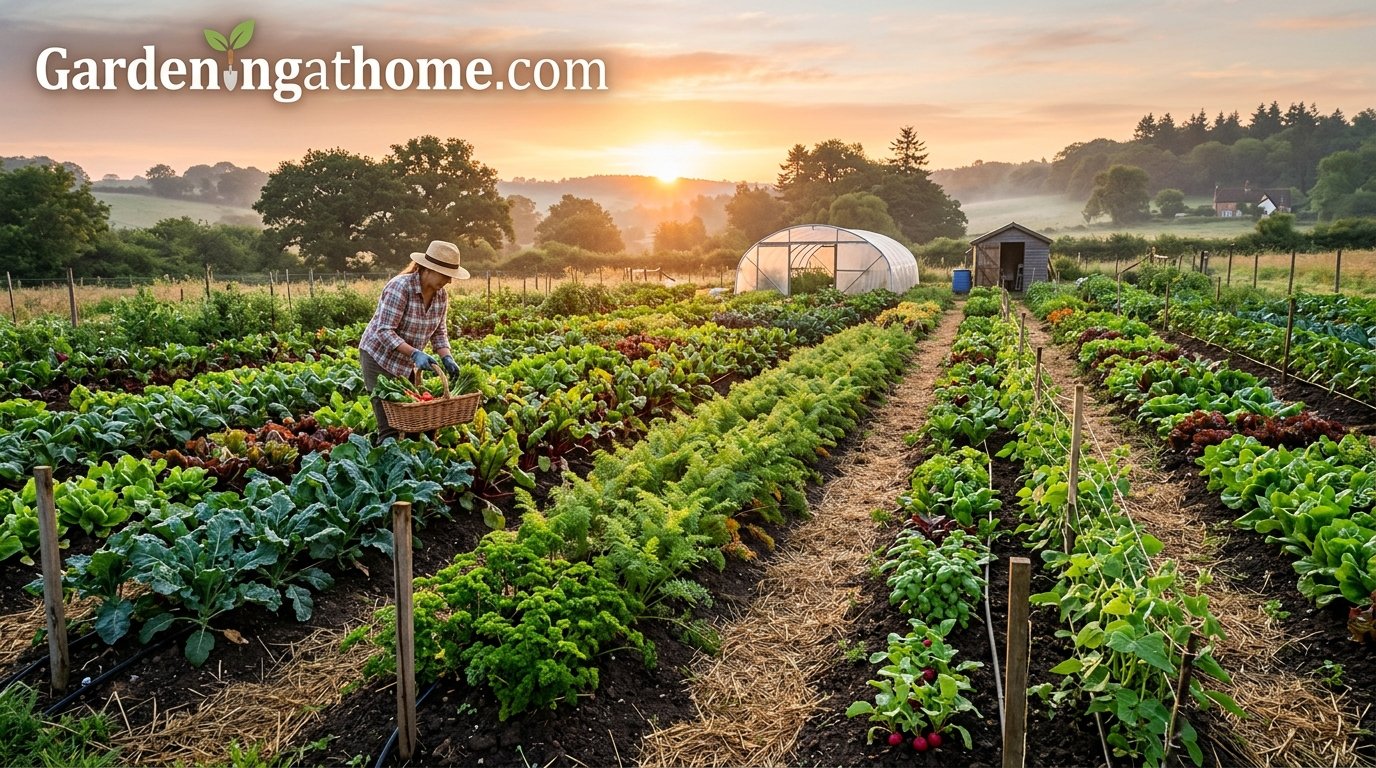
Market gardening is the practice of growing a wide range of fruits, vegetables, herbs, and flowers on a small, intensively managed piece of land with the goal of selling them directly to the people who will eat them. Here is everything you need to know, from the philosophy behind it to the practical steps of starting your own.
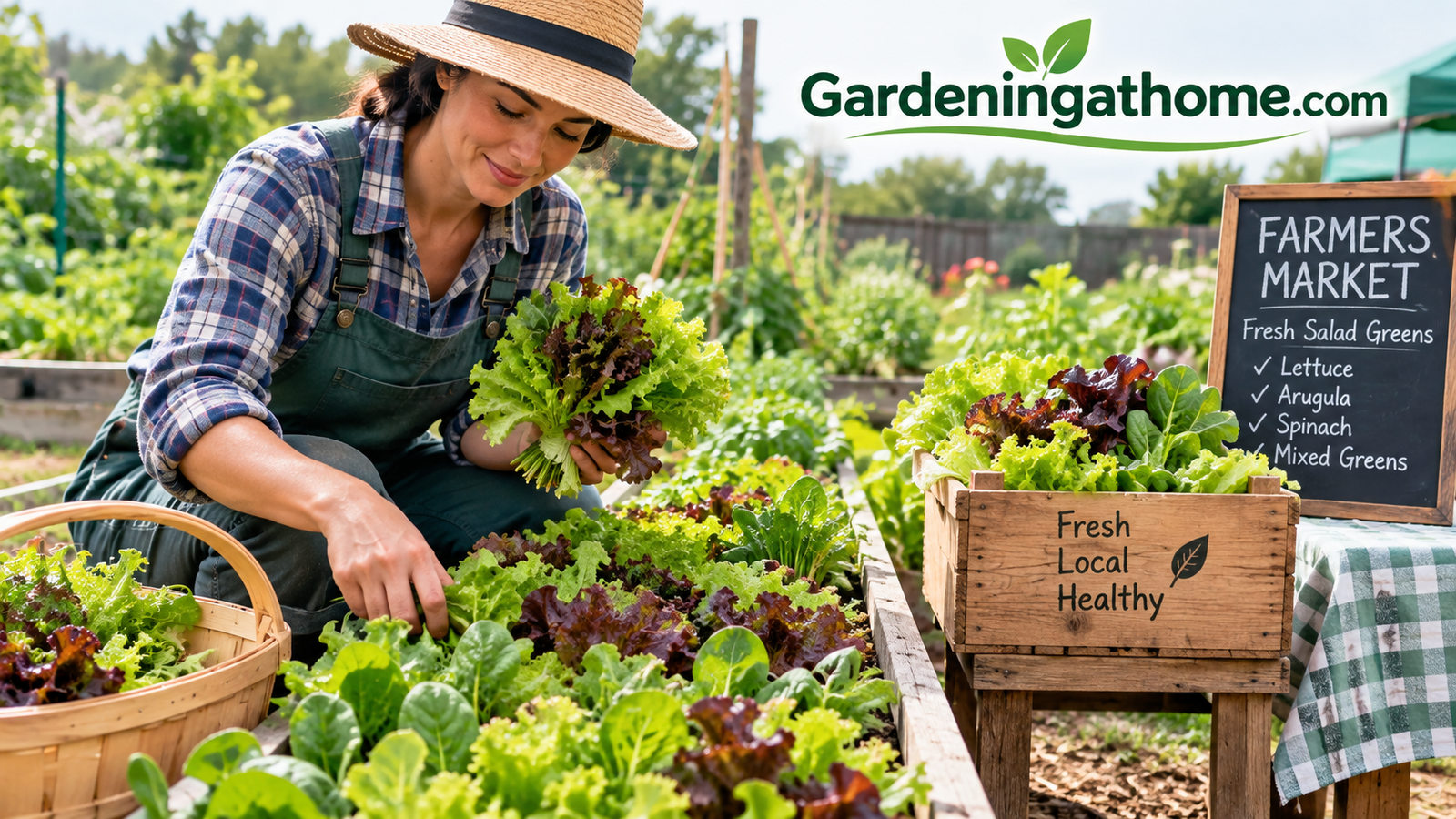
If you have ever wandered through a farmers market and wondered who grows all those glossy radishes, tender salad mixes, and jewel-colored tomatoes, there is a good chance the answer is a market gardener. These growers are not running thousand-acre operations with enormous machinery. Many of them work an acre or less, sometimes just a few thousand square feet, and still manage to feed dozens of families every week and earn a real living doing it.
So what is market gardening, exactly, and why has it become one of the most talked-about paths in small-scale agriculture? In the sections below we will break down the definition, the history, the methods, the money, and the mindset. Whether you are a home gardener with a surplus of zucchini or someone dreaming of leaving a desk job behind, this guide will help you understand what you are signing up for before you ever turn a shovel of soil.
1. What Market Gardening Really Means
Market gardening is the small-scale, intensive production of vegetables, fruits, herbs, and cut flowers specifically for sale. The word that matters most is “market.” A backyard vegetable patch feeds a household. A market garden is run as a small business, with crop plans, sales targets, and a deliberate relationship with customers.
In practical terms, a market gardener typically works somewhere between a quarter acre and three acres, though plenty of successful operations are even smaller. Instead of planting a single crop across a huge field, they grow dozens of different crops in carefully planned beds, harvesting nearly every week of the growing season. Sales usually happen close to home: farmers markets, community supported agriculture (CSA) subscriptions, restaurants, small grocers, and roadside stands.
The Defining Traits
- Small footprint, high output. Every square foot is expected to produce, often more than once per season.
- Diversity. Twenty to fifty crops is common, which spreads risk and keeps customers interested.
- Direct marketing. Selling straight to eaters captures retail prices instead of wholesale ones.
- Hands-on methods. Hand tools and small machines replace tractors and combines.
- Soil focus. Healthy soil is treated as the main long-term asset of the business.
If you are brand new to growing food, it helps to understand the basics of home-scale gardening first. Our overview of gardening at home covers the fundamentals that every market gardener builds on.
Starting small? Browse beginner-friendly market garden books and planning guides.
Shop Market Garden Books on Amazon2. A Short History of Market Gardens
Market gardening is far older than the modern farmers market. Wherever cities have existed, people have grown food on their edges to feed them. Ancient towns relied on irrigated plots just outside their walls, and medieval European cities were ringed with small gardens that supplied fresh produce daily.
The Parisian Maraichers
The most famous chapter belongs to the French market gardeners of nineteenth-century Paris, known as maraichers. Working tiny plots inside and around the city, they piled up horse manure to build deep, rich beds and covered early crops with glass bell jars and cold frames. They produced vegetables nearly year-round, even in winter, and sold huge quantities to a hungry city. At their peak they grew food on only a few thousand acres yet fed a major capital. Their techniques, intensive planting, heavy compost, and protected cultivation, are the intellectual ancestors of many modern practices.
From Victory Gardens to Today
In North America, market gardens flourished around growing cities and again during wartime, when home and community plots were encouraged. After the mid-twentieth century, industrial agriculture and long-distance shipping pushed most small growers out. In recent decades the pendulum has swung back. Consumers want to know where their food comes from, chefs prize hyper-fresh ingredients, and a new generation of growers has shown that a tiny farm can be profitable when it is well designed. Today market gardening sits at the heart of the local food movement.
Want to explore classic intensive growing techniques at home?
Find Intensive Growing Guides3. Market Gardening vs. Other Growing Styles
People often confuse market gardening with related practices. The overlap is real, but the goals differ. Here is how it compares with the approaches you are most likely to hear about.
| Style | Typical Size | Main Goal | Equipment | Sales |
|---|---|---|---|---|
| Market gardening | 0.25 to 3 acres | Income from diverse produce | Hand tools, walk-behind tractor | Direct to customers |
| Backyard gardening | 100 to 1,000 sq ft | Feeding a household | Basic hand tools | Rarely sold |
| Urban gardening | Balconies to lots | Food and community in cities | Containers, raised beds | Mixed |
| Homesteading | 1 to 20+ acres | Self-sufficiency | Varied | Occasional surplus |
| Conventional farming | 50 to thousands of acres | Commodity volume | Large machinery | Wholesale |
Urban gardening deserves special mention because many market gardens operate in or near cities. If you want a deeper look at that world, read our explainer on what urban gardening is. The two overlap beautifully when a city grower sells salad greens to neighborhood restaurants.
Market Garden vs. Small Farm
A small farm may raise livestock, grow grain, and maintain pasture. A market garden is horticultural: almost everything grown is a vegetable, fruit, herb, or flower. This focus lets growers concentrate on high-value crops that earn the most revenue per square foot, rather than spreading effort across many enterprises.
Compare your options with the right starter gear for small-scale growing.
See Small-Scale Growing Supplies4. Core Principles That Make Market Gardens Work
Successful market gardens share a set of principles. Understanding them will help you evaluate any method or advice you come across.
Intensive Planting
Rather than leaving wide aisles between rows for machinery, market gardeners plant in permanent beds, commonly around thirty inches wide, with close in-bed spacing. Plants shade out weeds, hold moisture, and use every inch of soil. A bed of carrots might hold several rows within a width where conventional farming would fit one.
Permanent Beds and Minimal Disturbance
Walking on growing beds compacts soil and damages structure. By keeping foot traffic on dedicated paths, growers preserve the loose, airy soil roots love. Many also reduce tilling to protect soil life, using broadfork aeration, shallow cultivation, or mulches in place of deep plowing.
Diversity and Crop Rotation
Growing many crops reduces disease and pest pressure and protects income if one crop fails. Rotating plant families through different beds each season interrupts pest cycles and balances nutrient use.
High-Value Crops
Because land is limited, growers favor crops that earn the most per bed foot and per hour of labor: salad mixes, microgreens, specialty tomatoes, herbs, cut flowers, and early-season treats like spring radishes and baby turnips.
Systems and Records
Profitable market gardens run on spreadsheets and checklists as much as on sunshine. Tracking seeding dates, yields, labor hours, and sales shows which crops deserve more space next year and which should be dropped.
Plan your beds, rotations, and sales on paper before you plant.
Shop Garden Planners5. Land, Space, and Layout
Choosing and arranging your growing space is one of the biggest decisions you will make. A great site makes everything easier, and a poor one can quietly drain your profit for years.
What to Look For in a Site
- Sunlight. Most vegetables need at least six to eight hours of direct sun. Our guide to full sun vs. partial shade helps you map light across a potential site.
- Water access. A reliable source close to the beds is essential. Hauling water by hand is a profit killer.
- Drainage and slope. Gentle slopes drain well; low spots collect frost and puddles.
- Soil quality. Test before you commit. Contamination, heavy clay, or compaction can be costly to fix.
- Proximity to customers. Shorter drives mean fresher produce and lower costs.
- Wind protection. Hedgerows or fences reduce damage to tender crops and help hold heat.
Designing the Layout
A typical design uses long, straight beds of uniform length, which simplifies everything from seeding to irrigation to row cover. Group crops by water needs and harvest timing. Put the wash and pack area near the garden entrance so harvested produce travels the shortest possible distance to shade and cooling.
Starting With Less Than an Acre
You do not need to begin big. Many growers launch on a few thousand square feet in a backyard or rented lot, learn the rhythms of the work, and expand as their sales grow. If you are building a plot from the ground up, read how to start a garden from scratch for site prep fundamentals.
Mark out and measure your beds accurately from day one.
Shop Layout and Measuring Tools6. Essential Tools and Equipment
One of the great appeals of market gardening is how modest the toolkit can be. You can begin with a handful of quality hand tools and add equipment as your income justifies it. Our list of essential gardening tools for beginners is a smart starting point, and the table below shows how a market grower typically prioritizes purchases.
| Tool | What It Does | Priority |
|---|---|---|
| Broadfork | Loosens soil without flipping it | High |
| Stirrup or wire hoe | Fast, shallow weeding between rows | High |
| Harvest knife and snips | Clean cuts for greens, herbs, and flowers | High |
| Wheelbarrow or garden cart | Moves compost, harvest bins, and supplies | High |
| Drip irrigation kit | Efficient, consistent watering | High |
| Row cover and hoops | Frost protection and pest exclusion | Medium |
| Seeding trays and heat mat | Starting transplants indoors | Medium |
| Hand seeder | Even direct sowing of small seeds | Medium |
| Walk-behind tractor | Bed prep on larger plots | Later |
| Wash station and cooler | Post-harvest quality and food safety | Medium |
Protect Your Hands
When you are working beds for hours every day, good gloves are not a luxury. Thorny crops, blackberries, and cold, wet harvests all punish bare skin. Compare options in our roundups of the best gardening gloves and the best leather gardening gloves for heavy-duty work, and see our picks of the best gloves for weeding, a task you will do a great deal of.
Buy Quality Where It Counts
A cheap hoe that bends or a harvest knife that dulls instantly will cost you time every single day. Spend more on the tools you hold for hours, and economize on the ones you use occasionally. If budget is tight, our cheap gardening ideas for beginners offer creative ways to stretch your startup dollars.
Equip your market garden with durable, hard-working hand tools.
Shop Market Garden Tools7. Building Living, Fertile Soil
Ask a veteran market gardener what separates good years from great ones, and the answer is almost always soil. Fertile soil grows vigorous plants that resist pests, shrug off weather swings, and produce the beautiful, consistent crops customers pay for.
Start With a Soil Test
A lab test reveals pH, organic matter, and nutrient levels, along with any contaminants. Most vegetables prefer a slightly acidic to neutral pH. Testing every year or two lets you correct deficiencies precisely instead of guessing.
Compost Is the Backbone
Compost feeds soil life, improves structure, holds water, and slowly releases nutrients. Many growers apply an inch or two across their beds each season. You can buy compost by the truckload, make your own, or both. Quality matters: look for dark, crumbly material that smells earthy rather than sour.
Cover Crops and Mulch
When a bed is not in production, sow a cover crop such as oats, rye, buckwheat, or clover. Cover crops suppress weeds, prevent erosion, and add organic matter when cut and incorporated or terminated with a tarp. Mulches of straw, leaves, or wood chips between rows and around larger plants conserve moisture and moderate soil temperature.
Feeding Plants Wisely
Heavy feeders like tomatoes, brassicas, and squash may need supplemental fertilizer during the season. The same timing principles that apply to containers apply in the field, so our article on how and when to fertilize offers useful background on reading plant signals. If you start transplants in trays, a quality seed-starting medium matters; see our guide to the best potting soil mix for ideas on what a good blend looks like.
Test and improve your soil before the first seed goes in.
Shop Soil Test Kits8. Best Crops for a Market Garden
Crop choice makes or breaks the budget of a small garden. The ideal market crop grows quickly, sells for a good price, harvests repeatedly, and fits your climate and customer tastes. The table below shows some of the most reliable options.
| Crop | Days to Harvest | Why It Works | Difficulty |
|---|---|---|---|
| Salad mix and baby greens | 21 to 35 | Cut-and-come-again, fast cash flow | Easy |
| Microgreens | 7 to 14 | Premium price, tiny footprint, indoor-friendly | Easy to moderate |
| Radishes and baby turnips | 25 to 40 | Quick spring revenue | Easy |
| Herbs (basil, cilantro, mint) | 30 to 60 | High margin, repeat harvests | Easy |
| Tomatoes (heirloom and cherry) | 60 to 90 | Summer favorite, premium for specialty types | Moderate |
| Carrots and beets | 55 to 75 | Bunching crops that sell by the bundle | Moderate |
| Kale, chard, and spinach | 30 to 55 | Cold tolerant, long season | Easy |
| Peppers and eggplant | 70 to 100 | Strong summer sales | Moderate |
| Cut flowers (zinnia, sunflower) | 60 to 90 | Diversifies income, great for bouquets | Easy |
| Garlic | Planted fall, harvest summer | High value, stores well | Easy |
Fast Money Crops
Microgreens deserve special attention for beginners because they need so little space and turn around so fast. Many growers start with a shelf or two before scaling up. Read growing microgreens at home without soil to see how simple the basics can be. Likewise, herbs reward you with repeat harvests; our walkthrough on how to start an indoor herb garden is a great way to practice before you plant out in the field.
Summer Stars
Tomatoes are the crown jewel of many farmers market stands. Customers line up for heirlooms and colorful cherry types. If you want to test your tomato skills in a small space first, see how to grow tomatoes on a balcony. The same plant needs and pruning habits apply at larger scale.
Container Crops
Not every market garden is in the ground. Containers let you grow in parking lots, rooftops, or tricky soil. For ideas, look at the easiest vegetables to grow in pots, and use our guide to choosing the right pot size to avoid stunted plants.
Grow What Your Customers Want
The best crop plan is shaped by demand. Talk to market shoppers and chefs, note what sells out first, and test small plantings of new items before committing real space. Ethnic and specialty vegetables, edible flowers, and unusual varieties often command premium prices in markets full of the same ordinary produce.
Stock up on high-quality seeds for the crops that sell best.
Shop Vegetable Seeds9. Succession Planting and Season Extension
The real secret of high-output market gardening is time. By planting the same crop again and again at intervals, and by stretching the growing season on both ends, a small plot can produce far more than its size suggests.
Succession Planting
Instead of sowing a whole bed of lettuce at once, plant a short row every one to two weeks. This provides a steady stream of harvests rather than one overwhelming glut. It also allows you to follow a finished crop immediately with a new one, so beds are rarely empty. A bed that yields radishes in spring, bush beans in early summer, and fall spinach has effectively tripled its income.
Season Extension Tools
- Row covers. Lightweight fabric adds a few degrees of frost protection and blocks insects.
- Low tunnels. Hoops covered in plastic or fabric create a mini greenhouse over a bed.
- High tunnels. Walk-in unheated structures dramatically extend harvests and shield crops like tomatoes from rain.
- Cold frames. Simple boxes with transparent lids keep winter greens alive.
- Greenhouses. Heated or unheated spaces for starting transplants early.
Watering and Pest Pressure
More plants in less space means more attention to water and pests. Overwatering is as damaging as drought; learn the difference with our guide to the signs of overwatering vs. underwatering. If you start seedlings indoors and notice tiny flies hovering over the trays, see how to get rid of fungus gnats naturally before they damage young roots.
Extend your harvest season with row covers and hoops.
Shop Row Covers and Hoops10. Where and How to Sell Your Produce
Growing is only half the job. The other half is finding customers and keeping them. Most market gardeners combine several sales channels so no single one carries all the risk.
| Channel | Pros | Cons |
|---|---|---|
| Farmers markets | Retail prices, instant feedback, builds a following | Time-consuming, weather dependent, fees |
| CSA subscriptions | Upfront cash, predictable demand, loyal customers | Requires wide variety and steady weekly supply |
| Restaurants and chefs | Bulk orders, premium for specialty items | Demands consistency, slower payment |
| Roadside or farm stand | Low labor, no market fees | Dependent on traffic and location |
| Local grocers and co-ops | Regular wholesale orders | Lower prices than retail |
| Online pre-orders | Reduces waste, easy customer reach | Needs packing and pickup logistics |
Build a Brand
A memorable farm name, a clean display, and friendly signage turn casual shoppers into regulars. Offer samples, share recipe ideas, and tell your story. Customers buy from people they like and trust, and your garden is the proof of your care.
Presentation Matters
Wash greens gently, bunch carrots neatly, and arrange your table by color. Fresh produce that looks abundant and organized sells faster and often at higher prices. Keep harvested crops shaded and cool from the moment they leave the soil to the moment they reach the customer.
Know the Rules
Regulations vary by location. You may need a business license, a vendor permit, liability insurance, or food safety training. Check with your local agricultural extension office and market manager before your first sale.
Make your stand look professional with display and packing supplies.
Shop Market Stand Supplies11. Costs, Income, Pros, and Cons
Let us talk honestly about money. Market gardening can be profitable, but it is not a get-rich-quick scheme. Income depends on your skill, your sales channels, your scale, and your local market.
Typical Startup Costs
| Expense | Estimated Range | Notes |
|---|---|---|
| Hand tools | $300 to $1,500 | Prioritize quality for daily-use items |
| Irrigation | $300 to $2,000 | Drip lines save labor and water |
| Seeds and transplants | $300 to $1,500 | Scales with garden size |
| Compost and amendments | $200 to $2,000 | Big upfront investment, lower over time |
| Season extension | $100 to $5,000+ | Row covers are cheap; high tunnels are not |
| Market stand and packaging | $200 to $1,000 | Tent, tables, scale, bags, signs |
| Insurance, permits, fees | $200 to $1,000 | Varies widely by location |
These figures are rough estimates. Starting small and reinvesting early profits is one of the smartest ways to reduce risk.
Income Potential
Revenue varies enormously. Some part-time growers on a small plot earn a few thousand dollars a season, while experienced full-time operators on well-managed acreage gross much more. Remember that gross revenue is not profit; labor, inputs, and marketing all take their share. Careful record keeping reveals your true numbers.
Pros
- Low startup cost compared with conventional farming
- Fast return on investment with quick crops
- Direct relationships with customers
- Meaningful, hands-on, outdoor work
- Strong demand for local, fresh food
- Scalable from a hobby to a full-time job
Cons
- Physically demanding and long hours in season
- Income depends on weather and market conditions
- Requires business, marketing, and growing skills
- Labor is often the largest cost
- Seasonal cash flow can be uneven
- Pests, disease, and crop failures are real risks
Is It Right for You?
The people who thrive in market gardening tend to enjoy problem solving, can handle repetitive physical work, and are comfortable talking to customers. If you love the idea but not the sales part, consider partnering with someone who does. If you love selling but are new to growing, work on a friend’s farm for a season to learn first.
Track every expense and sale with a simple record-keeping system.
Shop Record-Keeping Books12. Your Step-by-Step Starting Roadmap
Ready to try it? Here is a practical path from daydream to first sale. Treat it as a flexible outline rather than a rigid recipe.
Phase One: Learn and Plan
- Grow at home first. Spend a season or two growing your own vegetables. Our guide to gardening at home and starting a garden from scratch are ideal places to build confidence.
- Visit local markets. Note what vendors sell, at what price, and what sells out.
- Find a mentor. Volunteer or apprentice with an experienced grower if you can.
- Write a simple business plan. Define your goals, budget, and sales channels.
Phase Two: Prepare the Site
- Test your soil and fix major problems.
- Lay out permanent beds and paths.
- Set up irrigation and a basic wash station.
- Add compost and plant a cover crop if time allows.
Phase Three: Plant a Focused Crop Plan
- Choose ten to fifteen reliable crops rather than fifty experimental ones.
- Schedule succession plantings through the season.
- Start transplants indoors and harden them off before planting out.
Phase Four: Sell and Refine
- Begin with one channel, usually a farmers market or small CSA.
- Collect customer feedback and sales data.
- At season’s end, review what earned the most, drop what did not, and plan improvements.
Mistakes will happen, and that is fine. Every experienced market gardener has stories of failed crops and soggy seasons. What matters is learning quickly and adjusting. Over a few seasons, your skill, your soil, and your customer base will all grow together.
Gather everything you need for your first season in one place.
Shop Starter Market Garden SuppliesFrequently Asked Questions About Market Gardening
What is market gardening in simple terms?
Market gardening is growing a variety of vegetables, fruits, herbs, or flowers on a small, intensively managed plot and selling them directly to customers, usually at farmers markets, through CSA shares, or to local restaurants.
How much land do I need to start a market garden?
You can start with as little as a few hundred to a few thousand square feet. Many successful operations use a quarter acre to one acre. Starting small helps you learn systems and manage labor before expanding.
Is market gardening profitable?
It can be, especially when you focus on high-value crops, sell directly to customers, and keep costs under control. Profitability depends on your skill, market, scale, and how carefully you track expenses. Most growers need a few seasons to find their rhythm.
What is the difference between market gardening and farming?
Market gardening is a type of small-scale farming focused on horticultural crops, grown intensively on small acreage and sold directly. Conventional farming usually involves much larger land areas, heavy machinery, and commodity crops sold wholesale.
What are the best crops for beginners?
Salad greens, radishes, herbs, kale, chard, cherry tomatoes, and cut flowers like zinnias are forgiving, fast, and popular. Microgreens are another excellent starter crop because they need little space and grow quickly.
Do I need a tractor to be a market gardener?
No. Many market gardeners use only hand tools and occasionally a small walk-behind tractor. Large tractors are not needed on small, intensively managed beds, and avoiding them can save money and reduce soil compaction.
Can I do market gardening in a city?
Yes. Urban market gardens thrive on vacant lots, rooftops, and backyards, and city customers are often eager for hyper-local produce. Soil testing is especially important in urban areas to check for contaminants. Our guide to urban gardening explains more.
Do I need to be certified organic?
Not necessarily. Many market gardeners follow organic or ecological practices without formal certification, which can be costly and paperwork-heavy for small growers. Some regions allow small producers to use organic labeling under certain conditions, so check your local rules.
How many hours a week does market gardening take?
It depends on the size of the garden and the season. A small part-time plot might need ten to twenty hours a week in peak season, while a full-time acre can take fifty or more. Harvest and market days are the busiest.
What permits or insurance might I need?
Requirements vary by location and sales channel. Common needs include a business license, a vendor permit at markets, liability insurance, and sometimes food safety training. Contact your local extension office or market manager for specifics.
How do I extend my growing season?
Use row covers, low tunnels, cold frames, or a high tunnel to protect crops from cold and rain. Choose cold-tolerant crops such as spinach, kale, and carrots for shoulder seasons, and start transplants indoors for an early jump.
Can I start market gardening with no experience?
Yes, but it is wise to learn the basics first. Grow food at home, read widely, visit local growers, and consider volunteering on a farm. Starting small and growing your skills along with your garden is the safest approach.
Conclusion: Is Market Gardening Right for You?
Market gardening is more than a way to grow vegetables. It is a way of connecting land, labor, and community on a human scale. By working a small piece of ground with care, diversifying your crops, building living soil, and selling directly to the people who eat your food, you can create something that is both deeply satisfying and financially viable.
The path is not effortless. You will deal with weather, weeds, and the occasional unsold crate of kale. But for the right person, those challenges are part of the appeal. Every season teaches you something new, and every happy customer reminds you why you started.
If you are curious, begin today with what you have. Plant a bed, sell a few bundles, and learn from the experience. Small, steady steps are how every great market garden begins.
Ready to take the first step? Gather your tools, seeds, and supplies and start growing.
Start Shopping on Amazon