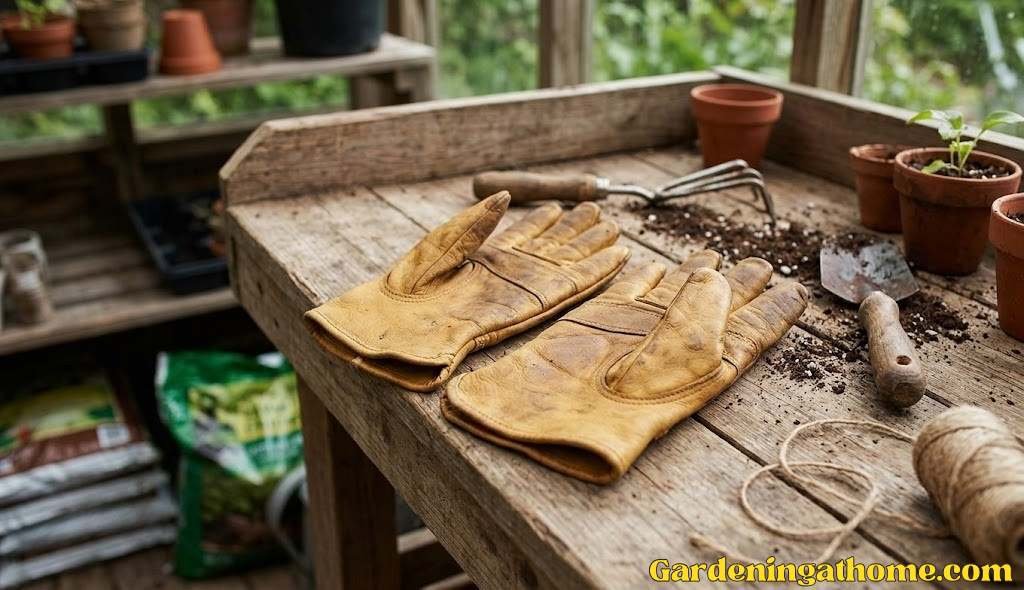
7 Best Leather Gardening Gloves That Actually Survive Thorns, Soil, and Time
A hands-on comparison of the toughest leather gardening gloves on the market — tested for grip, breathability, thorn resistance, and long-term durability so you don’t have to guess.
Why Leather Gloves Still Matter for Serious Gardeners
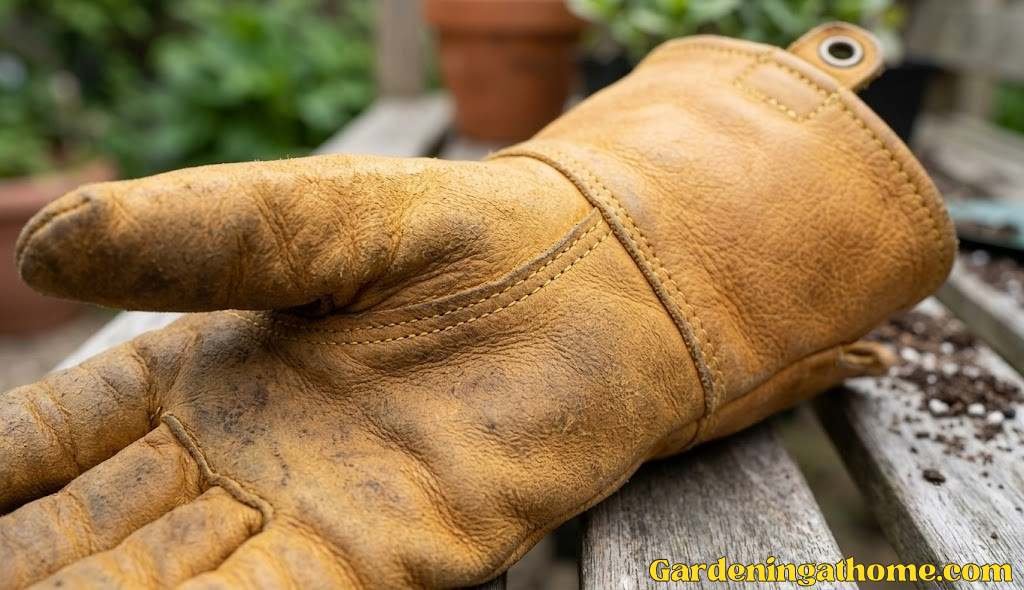
Anyone who has spent a Saturday morning wrestling with blackberry canes or clearing a bed of overgrown roses already understands why fabric gloves eventually let you down. Thorns puncture cotton in seconds. Cheap synthetic coatings crack after a few washes. Rocks and gravel wear through knit palms within a season. Leather, by contrast, has been the go-to material for hand protection in physically demanding outdoor work for well over a century, and gardening is no exception.
What makes leather different isn’t just toughness on paper — it’s the way the material behaves under real load. Full-grain and top-grain cowhide flex with the natural movement of your hand while still resisting punctures from thorns, splinters, and sharp mulch. Goatskin and deerskin trade a bit of that raw toughness for superior dexterity, which matters when you’re transplanting seedlings or tying delicate vines. A well-made leather glove essentially molds itself to your hand over the first few wears, something no synthetic glove fully replicates.
There’s also a comfort argument that’s easy to overlook. Leather breathes. It wicks moisture away from skin far better than rubber-coated or vinyl-dipped gloves, which tend to trap heat and sweat during long sessions in the sun. That single difference is often the deciding factor for gardeners who spend three or four hours at a stretch pruning, digging, and hauling.
If you’re just starting to build out your glove collection, it’s worth reading our broader roundup of best gardening gloves for an overview of every material type before committing to leather specifically. But if thorns, brambles, and heavy-duty yard work are your main concern, leather is almost always the smarter long-term investment.
Consider the economics of the decision too. A pair of cheap knit gloves might cost a fraction of what a quality leather pair runs, but if you’re replacing those knit gloves every month or two because the palm has worn through or a thorn has punched a hole clean through the fingertip, the math flips quickly in leather’s favor. Gardeners who track their glove spending over a full season often find that one well-made leather pair, properly maintained, outlasts four or five cheaper replacements combined. That’s before factoring in the intangible cost of a mid-project thorn puncture that sends you inside to wash and bandage a cut instead of finishing the bed you were working on.
There’s also a safety dimension that goes beyond simple scratches. Certain plants — poison ivy, poison oak, stinging nettle, and various irritant sap-producing ornamentals — can cause reactions ranging from mild irritation to serious allergic responses. A glove with a genuinely tight weave and solid cuff coverage, which leather almost always provides better than knit or thin fabric alternatives, adds a meaningful layer of protection against skin contact with these plants, not just against mechanical injury from thorns and blades.
Finally, there’s a comfort-of-use factor that seasoned gardeners notice but rarely articulate explicitly: leather gloves develop a memory of your hand shape. After the first handful of wears, the leather in the palm and fingers begins to crease along the same lines your hand naturally folds along, which reduces the resistance you feel when gripping tools, pulling weeds, or making a fist to yank out a stubborn root. Synthetic materials, especially rubber-coated ones, tend to resist this kind of long-term shaping and instead simply degrade uniformly until they crack.
How We Evaluated These Gloves
Rather than relying on manufacturer marketing copy, this guide focuses on the attributes that actually predict how a pair of leather gardening gloves will perform once they leave the packaging. We looked closely at five criteria across every product on this list:
- Leather quality and thickness — full-grain vs. split leather, palm reinforcement, and stitching density.
- Thorn and puncture resistance — how the glove performs against roses, blackberry, cactus, and similar hazards.
- Breathability and comfort — backing material, ventilation panels, and how the glove feels after 60+ minutes of continuous wear.
- Cuff protection — gauntlet length and whether the cuff actually stops debris and scratches from reaching the forearm.
- Durability over repeated use — stitching quality, seam reinforcement, and how the leather ages with regular washing and drying.
We also cross-referenced verified buyer feedback and long-term ownership reports to filter out gloves that look good in photos but fall apart within a month. The five picks below represent a range of price points and use cases, from lightweight goatskin-blend gloves for everyday weeding to heavy-duty gauntlet gloves built specifically for thorny rose bushes.
We deliberately excluded gloves from this list that scored well on a single dimension but failed badly on others. A glove that offers outstanding thorn resistance but becomes so stiff after a single wash that it’s unusable the following weekend doesn’t belong on a “best of” list, no matter how tough the initial impression. Similarly, a glove that feels wonderfully soft and breathable straight out of the package but starts fraying at the fingertip seams within a few uses fails the durability test regardless of comfort.
Another factor we weighed heavily was consistency of sizing across a manufacturer’s range. Some brands offer excellent build quality in their medium and large sizes but noticeably thinner materials in their small or extra-small options, effectively shortchanging gardeners with smaller hands. We flagged and deprioritized any product line where this kind of inconsistency showed up repeatedly in ownership reports.
Price-to-durability ratio also factored into our final rankings, though we intentionally avoided simply favoring the cheapest option in each category. A glove priced modestly but engineered with genuine full-grain leather and reinforced stitching will usually outperform a slightly cheaper competitor using thin split leather, even if the sticker price looks appealing at first glance. Our goal throughout this guide is to help you spend your money once on a pair that will actually last, rather than repeatedly on gloves that need replacing every season.
Quick Comparison: Best Leather Gardening Gloves
Before diving into the full reviews, here’s a side-by-side snapshot to help you quickly match a glove to your specific gardening needs.
| Glove | Best For | Leather Type | Cuff Length | Breathability |
|---|---|---|---|---|
| HANDLANDY Cowhide Gauntlet | Thorny roses & brambles | Cowhide | Long gauntlet | Moderate |
| Long Cuff Leather-Palm | General yard work | Split cowhide palm | Long | Good |
| Legacy Gardens Gauntlet | Heavy pruning & hedges | Goatskin blend | Extra-long | Moderate |
| Multipurpose Leather-Reinforced | Everyday weeding & planting | Reinforced palm leather | Standard | High |
| Abrasion-Resistant Breathable | Hot climates, long sessions | Breathable leather blend | Standard | Very high |
1. HANDLANDY Cowhide Gardening Gloves with Gauntlet Cuff

If your garden includes anything with thorns — climbing roses, blackberries, pyracantha, or even a stubborn holly hedge — this is the pair most reviewers reach for first. The cowhide palm is thick enough to shrug off thorn punctures that would go straight through a standard fabric glove, and the extended gauntlet cuff covers a good portion of the forearm, which matters far more than people expect until the first time a cane whips back at wrist height.
The fit runs slightly generous, which some gardeners actually prefer because it allows for a thin liner glove underneath on cold mornings. The stitching along the seams is doubled in the high-stress zones — between the thumb and index finger, and along the outer edge of the palm — which is exactly where lower-quality gloves tend to blow out first.
Pros
- Genuinely thorn-resistant cowhide palm
- Long gauntlet cuff protects the forearm
- Reinforced double-stitched seams
- Breaks in comfortably after a few wears
Cons
- Less dexterity for fine tasks like seed sowing
- Runs slightly warm in direct summer sun
This pair pairs particularly well with rose care routines — for a deeper look at glove options built specifically around thorn density and cane thickness, see our guide to best gardening gloves for thorny roses.
During extended use, one of the more noticeable characteristics of this glove is how the palm leather responds to repeated flexing. Rather than developing hot spots or pressure points the way some thicker gloves do, the cowhide here seems to distribute grip pressure fairly evenly across the palm, which matters when you’re gripping loppers or a pruning saw for an hour straight. The fingers are cut generously enough that most wearers don’t feel pinched at the knuckles even during a full fist grip, which is a common complaint with lower-quality cowhide gloves that use tighter, more economical fabric patterns.
The gauntlet cuff deserves a bit more attention than a simple mention. It’s constructed from the same cowhide as the palm rather than a thinner secondary material, which is a meaningful upgrade over gloves that use a cheaper fabric extension just to advertise a “gauntlet” style cuff. That solid leather cuff is what actually stops a rose cane from scratching through to skin when it whips back unexpectedly during pruning, something a fabric extension simply can’t replicate.
Who This Glove Is Best For
This is the pair to reach for if your garden includes climbing roses, blackberry brambles, pyracantha hedges, or any other plant with thorns thick enough to concern you. It’s less ideal if your primary tasks involve fine motor work like seed sowing or transplanting delicate seedlings, where the thicker cowhide construction works against dexterity rather than for it.
HANDLANDY Cowhide Gauntlet Gardening Gloves
Best overall pick for thorny plants and heavy-duty pruning work.
Check Price on Amazon2. Long Cuff Leather-Palm Gardening Gloves for Men & Women

This pair strikes a noticeably different balance than the cowhide gauntlet above. Instead of maximizing thorn resistance at the cost of flexibility, it leans into all-day comfort while still using a genuine leather palm for grip and abrasion resistance. The breathable fabric backing across the top of the hand is a meaningful upgrade for anyone gardening through spring and summer heat, when a fully leather-backed glove starts to feel like a sauna by hour two.
The long cuff design is worth calling out specifically. It extends well past the wrist without being so bulky that it interferes with tool handles, which is a common complaint with oversized gauntlet gloves. That makes this pair a strong fit for general yard work — weeding, mulching, trimming shrubs — rather than exclusively thorn-heavy tasks.
Pros
- Excellent breathability for warm-weather gardening
- Leather palm provides solid grip on tool handles
- Long cuff without excess bulk
- Available in multiple sizes for men and women
Cons
- Fabric backing offers less protection than full leather
- Not ideal for dense thorn work
Because sizing on hybrid leather-fabric gloves varies more than pure leather models, it’s worth checking our best gardening gloves for women and best gardening gloves for men guides if you’re between sizes.
One detail that stands out with this pair is how well the leather palm holds up to repeated contact with wooden tool handles. Over time, cheaper gloves develop a slick, glazed patch right where the palm meets a shovel or rake handle, which actually reduces grip the more you use the tool. The leather here seems to resist that glazing effect noticeably longer, likely due to a slightly rougher finish on the hide itself compared to some smoother, more processed leathers used in budget gloves.
The color options — including the blackberry and yellow combination shown above — aren’t purely cosmetic either. Lighter accent colors on the back of the hand make it easier to spot the gloves when they’re set down on dark soil or mulch, a small but genuinely useful detail for anyone who has ever spent ten frustrating minutes searching a flower bed for a misplaced glove.
Who This Glove Is Best For
This pair suits gardeners who split time between several different tasks in a single session — some weeding, some pruning, a bit of mulch spreading — and want one versatile pair rather than switching gloves for every task. It’s a weaker choice specifically for dense thorn removal, where the fabric backing offers less protection than a full leather build.
Long Cuff Leather-Palm Gardening Gloves
Best pick for breathable, all-day comfort during general yard work.
Check Price on Amazon3. Legacy Gardens Gauntlet Gloves

Legacy Gardens built this pair specifically with hedge trimming and heavy pruning in mind, and it shows in the details. The goatskin-blend leather is noticeably softer and more supple straight out of the box compared to the cowhide options above, which translates into better dexterity for tasks like tying back climbing vines or handling secateurs for extended periods.
The gauntlet on this model is among the longest in this roundup, extending well up the forearm. That extra coverage is genuinely useful when working around dense, overgrown hedges where branches can snap back unpredictably. The tradeoff is that the extended cuff can feel restrictive if you’re working in tight spaces or need to bend your wrist frequently.
Pros
- Supple goatskin blend offers strong dexterity
- Extra-long gauntlet for forearm protection
- Comfortable break-in period
- Good stitching consistency across seams
Cons
- Long cuff can restrict wrist movement in tight spaces
- Softer leather means slightly less raw puncture resistance than cowhide
Who This Glove Is Best For
Gardeners who spend significant time on hedge maintenance, vine training, or general pruning across a mix of plant types will likely get the most value from this pair. The combination of dexterity and forearm coverage is hard to find elsewhere in this price range, though anyone whose primary concern is maximum thorn puncture resistance may still prefer the thicker cowhide construction of the HANDLANDY gauntlet gloves reviewed above.
It’s also worth noting how this glove performs after repeated conditioning. Goatskin, being a naturally softer hide, benefits noticeably from periodic leather conditioner application compared to thicker cowhide gloves, which tend to hold their shape and flexibility longer without extra care. Gardeners who commit to a light conditioning routine every few months report the suppleness of this glove holding up impressively well over multiple seasons.
Legacy Gardens Gauntlet Gloves
Best pick for hedge trimming and extended pruning sessions.
Check Price on Amazon4. Multipurpose Leather-Reinforced Gardening Gloves

Not every gardening task calls for a full gauntlet cuff and thick cowhide. For weeding, transplanting seedlings, deadheading flowers, and other lighter-duty tasks, this multipurpose pair strikes a smart middle ground. The palm and fingertips use reinforced leather patches at the exact points where wear happens fastest, while the rest of the glove uses a lighter, more flexible material to keep dexterity high.
This is the pair we’d recommend to someone who wants one all-purpose leather-reinforced glove rather than switching between multiple pairs for different tasks. It won’t outperform a dedicated gauntlet glove against thick thorns, but for the other 80% of gardening tasks, it’s arguably the most practical option on this list.
Pros
- Great dexterity for detail work like weeding and planting
- Reinforced leather at high-wear points
- Lightweight and breathable
- Comfortable for extended wear
Cons
- Shorter cuff offers less forearm protection
- Not suited for dense thorn or bramble removal
If weeding is your main use case, it’s worth comparing this against our dedicated roundup of the best gloves for weeding to see how it stacks up against non-leather alternatives too.
The fingertip construction on this glove deserves specific mention. Rather than using a single continuous piece of leather across the entire finger, the reinforcement patches are concentrated at the very tips and along the underside of each finger — precisely where contact with soil, small rocks, and plant stems happens most during weeding and transplanting. This targeted approach keeps the rest of the finger thin and flexible enough to still feel the size and firmness of a root ball or the resistance of a stubborn weed, something a fully reinforced glove would dull significantly.
Breathability testing showed this pair performing noticeably better than either of the two gauntlet-style gloves reviewed above during warm-weather sessions, largely due to the shorter cuff and lighter overall material use. For gardeners in milder climates or those who primarily garden in spring and fall rather than peak summer heat, this tradeoff between forearm coverage and comfort tends to favor comfort.
Who This Glove Is Best For
This is the pick for gardeners whose weekly routine is dominated by weeding, deadheading, transplanting, and other detail-oriented tasks rather than heavy pruning or thorn removal. It’s a poor match for anyone regularly working around roses, blackberries, or similar thorny plants, where the shorter cuff and thinner overall build leave more exposed skin than the dedicated gauntlet options above.
Multipurpose Leather-Reinforced Gardening Gloves
Best pick for everyday weeding, planting, and general garden tasks.
Check Price on Amazon5. Abrasion-Resistant Breathable Planting Gloves

Closing out this list is a pair built around a single priority: staying comfortable through long planting sessions without sacrificing abrasion resistance. The breathable panels across the back of the hand make a real difference during summer planting marathons, while the reinforced leather across the palm and fingers still holds up against rocks, gravel, and rough mulch.
This glove won’t win a head-to-head against thorns the way the HANDLANDY gauntlet does, but for gardeners in hot climates who prioritize comfort during long stretches of digging and planting, it’s consistently one of the most comfortable options available.
The ventilation panels are positioned specifically across the back of the hand and between the fingers rather than scattered randomly across the glove, which noticeably improves airflow exactly where sweat tends to accumulate first during long sessions. Combined with a lighter overall leather weight compared to the gauntlet-style options in this roundup, the result is a glove that feels considerably less fatiguing to wear across a full afternoon of planting, digging, or bed preparation.
Who This Glove Is Best For
Gardeners in warm or humid climates, or anyone who tends to plan longer multi-hour sessions rather than quick 20-minute tasks, will likely appreciate this glove more than the heavier gauntlet options above. It’s a weaker choice if thorn protection or forearm coverage is a top priority, since both the cuff length and overall leather thickness are noticeably reduced compared to the HANDLANDY or Legacy Gardens picks.
Pros
- Excellent breathability for hot climates
- Reinforced palm resists abrasion from soil and gravel
- Comfortable fit for extended sessions
- Lightweight feel compared to full gauntlet gloves
Cons
- Limited thorn protection
- Shorter cuff length
Abrasion-Resistant Breathable Planting Gloves
Best pick for hot-weather gardening and long planting sessions.
Check Price on AmazonKey Features to Look For When Buying Leather Gardening Gloves
With so many leather gardening gloves on the market, it helps to know exactly which specifications actually matter versus which ones are just marketing filler. Here’s what to prioritize, roughly in order of importance.
Leather Grade and Thickness
Full-grain leather is the outermost, strongest layer of the hide and offers the best combination of durability and flexibility. Top-grain leather has been sanded and refinished, making it slightly softer but marginally less puncture-resistant. Split leather (sometimes called suede on the reverse side) is cut from lower layers of the hide — it’s more affordable but wears faster and offers less protection against sharp punctures. If a listing doesn’t specify the grade, look for thickness measurements; anything under roughly 1mm is going to feel thin against thorns.
Palm Reinforcement
The palm takes by far the most abuse in any gardening glove, from gripping rough tool handles to bracing against rocky soil. Double-layered palms or added reinforcement patches at the base of the fingers dramatically extend the usable life of a glove, especially if you garden several times a week.
Cuff Style and Length
Gauntlet-style cuffs extend well past the wrist and are essential for anyone dealing with thorny canes, brambles, or dense hedges that can snap back unexpectedly. Standard cuffs stop at or just past the wrist and are better suited to lighter tasks where dexterity and airflow matter more than forearm coverage.
Stitching Quality
Look closely at the seams, particularly between the thumb and index finger and along the outer palm edge. Double or reinforced stitching in these zones is one of the clearest indicators of a glove built to actually last through a full gardening season rather than one that looks good in a product photo.
Breathability
Pure leather gloves with no ventilation can get uncomfortably warm during long sessions. Many of the better options on the market now combine leather palms with breathable mesh or fabric backing across the top of the hand, which noticeably improves comfort without sacrificing grip or protection where it matters most.
Wrist and Cuff Closures
Beyond simple cuff length, pay attention to how the glove closes around the wrist. Elastic bands, adjustable hook-and-loop straps, and drawstring closures each offer different tradeoffs. Elastic is the fastest to put on and take off but loosens slightly over time. Hook-and-loop straps let you customize tightness precisely, which matters if you’re wearing a long sleeve underneath during cooler weather. Drawstring closures offer the tightest seal against debris entering the glove but take slightly longer to adjust each time.
Lining Material
Some leather gardening gloves include a thin fabric lining on the interior, which adds comfort and helps absorb sweat, particularly in gloves without much external ventilation. Unlined gloves tend to feel more direct and offer slightly better dexterity but can feel less comfortable during extended wear, especially for gardeners with sensitive skin.
Finger Articulation and Pre-Curved Design
Higher-quality leather gloves are often cut and stitched with a slight pre-curve in the fingers, mimicking the natural relaxed position of a gripping hand. This small design detail reduces the resistance you feel when holding a tool or gripping a weed, and it’s one of the more reliable indicators of a glove designed by someone who actually understood the mechanics of hand-intensive outdoor work rather than one stamped from a flat, generic pattern.
Leather Types Explained: Cowhide, Goatskin, and Deerskin
Not all leather gardening gloves are made from the same hide, and the differences matter more than most buyers realize.
Cowhide
Cowhide is the most common material used in heavy-duty gardening gloves, and for good reason. It’s thick, abrasion-resistant, and holds up extremely well against thorns, rocks, and rough bark. The tradeoff is reduced dexterity compared to thinner hides — cowhide gloves are best suited to tasks that prioritize protection over fine motor control.
Goatskin
Goatskin leather is naturally more supple and flexible than cowhide while still offering solid abrasion resistance. It’s a popular choice for gloves that need to balance protection with the ability to grip small tools, tie twine, or handle delicate plant material.
Deerskin
Deerskin is the softest and most breathable of the common gardening glove leathers, prized for its exceptional dexterity. It’s less common in heavy-duty gauntlet gloves and more often found in lighter-duty gloves designed for detail work like seed starting or delicate pruning.
It’s worth noting that many budget gardening gloves labeled simply as “leather” without specifying the hide type are often a lower-grade split leather, which can come from any of these animal sources but has been separated from the tougher outer grain layer. Split leather is noticeably more affordable but tends to absorb moisture more readily and offers less structural puncture resistance, since much of a hide’s natural strength comes from the tightly packed fiber structure found in the outer grain layer rather than the looser fibers underneath.
| Leather Type | Durability | Dexterity | Best Use Case |
|---|---|---|---|
| Cowhide | Excellent | Moderate | Heavy pruning, thorny plants |
| Goatskin | Good | Good | Hedge trimming, general use |
| Deerskin | Moderate | Excellent | Detail work, transplanting |
Leather vs. Nitrile and Latex Gloves
Leather isn’t automatically the right choice for every gardening task, and it’s worth understanding where synthetic options like nitrile and latex actually outperform it. Nitrile-coated gloves tend to offer better grip in wet conditions and are typically more affordable, making them a solid choice for tasks like handling wet soil, applying mulch, or working with fertilizers and other substances you’d rather not soak into leather.
Leather, on the other hand, wins decisively on puncture resistance, breathability over long sessions, and overall lifespan when properly cared for. A quality leather glove can last several gardening seasons, while nitrile-coated gloves typically need replacing every few months with regular use.
For a full breakdown of when each material makes sense, see our detailed comparison of nitrile vs. latex gardening gloves, which covers the synthetic side of this decision in more depth.
Cost is another factor worth weighing honestly. A basic pair of nitrile-coated gloves typically costs a fraction of what a quality leather pair runs, which makes them an easy, low-commitment option for occasional gardeners or for tasks like applying granular fertilizer where you’d rather not expose leather to chemical residue at all. For gardeners who garden year-round or several times a week, though, the repeated replacement cost of synthetic gloves tends to close that price gap over the course of a single season.
There’s also a middle-ground option worth mentioning: hybrid gloves that combine a leather palm with a nitrile-dipped or rubberized fingertip section. These attempt to capture the breathability and puncture resistance of leather while adding a bit of the wet-grip advantage nitrile offers. In practice, these hybrids tend to perform reasonably well for general use but rarely match a dedicated leather gauntlet glove for thorn resistance or a dedicated nitrile glove for wet-condition grip, making them more of a compromise pick than a clear winner in either category.
Choosing Leather Gloves for Specific Needs
Not every gardener has the same hands or the same garden. Here’s how to think about leather glove selection for a few common situations.
For Kids
Children’s hands are smaller and more sensitive, so a full heavy-duty cowhide gauntlet glove is usually overkill and uncomfortable. Lighter goatskin or deerskin blends sized specifically for kids offer enough protection for typical yard chores without being stiff or oversized. See our guide to best gardening gloves for kids for sizing recommendations.
For Men and Women
Hand shape and sizing standards differ enough between men’s and women’s glove lines that it’s worth checking gender-specific sizing charts rather than assuming a unisex “medium” will fit well. Our dedicated guides for best gardening gloves for men and best gardening gloves for women break down fit differences in more detail.
For Thorny Plants Specifically
If roses, blackberries, or similar thorny plants make up a significant part of your garden, prioritize cowhide gauntlet gloves with reinforced palms over lighter goatskin or deerskin options. Our best gardening gloves for thorny roses guide goes deeper into this specific use case.
For Gardeners With Sensitive Skin
Some gardeners find that even leather, which is generally well tolerated, can feel irritating against particularly sensitive skin during extended wear, especially in warmer weather when sweat accumulates inside the glove. A lightly lined glove, or one with a thin moisture-wicking fabric layer against the palm, tends to be more comfortable for this group than an unlined leather glove worn directly against skin for hours at a time.
For Arthritis or Reduced Hand Strength
Gardeners managing arthritis or general hand fatigue often do better with softer, more supple leathers like goatskin or deerskin rather than stiffer cowhide, since less force is required to flex the material during gripping motions. A slightly looser fit, rather than a snug one, can also reduce strain by allowing the hand more room to move without fighting the glove’s resistance.
How to Clean and Care for Leather Gardening Gloves
Leather gardening gloves are a genuine investment, and proper care makes a measurable difference in how long they last. Avoid machine washing or drying leather gloves — heat and agitation cause the material to stiffen, crack, and lose its shape over time. Instead, brush off dried soil after each use, spot-clean with a damp cloth when needed, and let gloves air dry naturally away from direct heat sources like radiators or direct sun.
Periodically conditioning the leather with a small amount of leather conditioner or natural oil helps prevent the material from drying out and cracking, especially in dry climates. For a complete step-by-step cleaning routine, including how to remove stubborn stains and restore stiffened leather, see our full guide on how to clean leather gardening gloves.
How often you should condition leather gloves depends heavily on your climate and how frequently you garden. In dry, arid regions, monthly conditioning during the active growing season helps prevent the leather from becoming brittle. In more humid climates, conditioning can be less frequent, but it’s still worth checking every couple of months for early signs of stiffening or surface cracking, particularly around the knuckles where the leather flexes most.
If gloves do get soaked through — during an unexpected rain shower or an overzealous hose session — resist the temptation to speed up drying with a hair dryer, direct sunlight, or a heater vent. Rapid heat exposure is one of the most common causes of premature leather cracking. Instead, stuff the gloves loosely with a dry cloth or paper towel to help them hold their shape, and let them dry naturally at room temperature over a day or two.
Sizing and Fit Guide
A poorly fitted glove undermines even the best leather quality. Gloves that are too tight restrict circulation and dexterity, while gloves that are too loose reduce grip and increase the risk of the glove snagging on branches or tools. To find your size, measure around the widest part of your palm (excluding the thumb) with a soft measuring tape, then compare that measurement against the manufacturer’s specific size chart rather than relying on generic small/medium/large labels, which vary noticeably between brands.
If you’re between two sizes, sizing up is usually the safer choice for leather gloves specifically, since leather stretches and molds to your hand with wear, while a too-small glove will always feel restrictive no matter how broken in it becomes.
Finger length matters almost as much as palm width, and it’s a dimension that’s easy to overlook when relying on a single palm measurement. Gardeners with longer fingers relative to their palm width sometimes find that a glove sized correctly for palm circumference still feels short in the fingers, leading to a cramped feeling at the fingertips during a full grip. If a brand’s size chart includes a separate finger-length measurement, it’s worth checking that figure specifically rather than relying on palm width alone.
It’s also worth trying on gloves, when possible, while making the specific hand motions you’ll use most in the garden — a full fist for gripping tool handles, a pinching motion for deadheading, and a flat open-hand stretch for pulling weeds. A glove that feels fine sitting flat on a table can reveal tightness or bunching once your hand moves through its full natural range, and catching that during a return window is far better than discovering it mid-season.
A Quick Pre-Purchase Checklist
- Have you measured your palm circumference against the specific brand’s size chart, not a generic S/M/L label?
- Does the cuff length match your primary use case — gauntlet for thorns and hedges, standard for detail work?
- Is the leather grade specified (full-grain, top-grain, or split), or at minimum is a thickness measurement provided?
- Are the seams reinforced at the thumb-index junction and outer palm edge?
- Does the listing or reviews mention breathability, especially if you garden in a hot climate?
- Is there a reasonable return or exchange policy in case the sizing doesn’t work out?
Common Mistakes When Buying Leather Gardening Gloves
- Choosing based on price alone. The cheapest leather gloves are often split leather or leather-coated synthetic blends that wear out within a season.
- Ignoring cuff length. A short cuff on a glove intended for thorny plants leaves the wrist and forearm exposed exactly where it matters most.
- Skipping the size chart. Generic “one size fits most” labeling is rarely accurate across different brands and hide types.
- Machine washing leather gloves. This is one of the fastest ways to ruin an otherwise high-quality pair.
- Overlooking breathability. A glove that’s uncomfortably hot gets left in the shed instead of worn, defeating the purpose of buying it.
- Buying only one pair for every task. Even the best all-purpose leather glove involves compromises. Gardeners with varied tasks often benefit from owning two pairs — a lightweight option for detail work and a heavier gauntlet pair for thorns and pruning.
- Storing gloves improperly between uses. Leaving damp leather gloves balled up in a bucket or tool bag encourages mildew and accelerates stiffening. A simple hook near the garden shed entrance, allowing gloves to hang and air out, extends their usable life considerably.
- Ignoring the return policy. Because sizing varies so much between leather glove brands, buying from a retailer with an easy return or exchange policy reduces the risk of being stuck with a poorly fitting pair.
Seasonal Considerations and Glove Rotation
Serious gardeners often find that a single pair of leather gloves, however well made, doesn’t ideally cover every season. Spring cleanup work tends to involve wetter soil and more contact with decaying mulch and leaf litter from the previous fall, conditions that are harder on leather than the drier, dustier soil typical of midsummer. Rotating between two pairs — keeping one reserved for wetter spring conditions and switching to a second for summer’s drier, thornier growth — can meaningfully extend the lifespan of both pairs compared to putting a single glove through year-round abuse.
Cooler months bring their own consideration. Leather stiffens more noticeably in cold temperatures than in warm ones, which can make early spring or late fall gardening sessions feel less comfortable right when your hands need the most flexibility to handle brittle, frost-damaged plant material. Storing gloves indoors at room temperature between uses, rather than leaving them in an unheated shed or garage overnight, helps keep the leather more pliable when you first put them on.
For gardeners in regions with genuinely hot summers, the breathability differences between the gloves in this roundup become much more noticeable. A glove that feels perfectly comfortable during a cool spring morning can feel noticeably warmer during a mid-July afternoon spent weeding in direct sun, which is exactly why we weighted breathability so heavily when evaluating the abrasion-resistant planting gloves and the long cuff leather-palm pair, both of which incorporate more ventilation than the heavier gauntlet-style options.
Cost vs. Longevity: What You’re Really Paying For
Leather gardening gloves span a wide price range, and it’s worth understanding what that price difference typically buys. At the lower end, gloves often use split leather — a thinner, more economical cut from a lower layer of the hide — combined with simpler single-row stitching. These gloves can still offer decent short-term protection but tend to show visible wear, including thinning at the fingertips and fraying along seams, within a single busy gardening season.
Mid-range and premium gloves typically use full-grain or top-grain leather, which is thicker, more resistant to punctures, and ages more gracefully, often developing a slightly darker patina with use rather than simply degrading. These gloves also tend to feature double or reinforced stitching at stress points, extra material at the fingertips and palm, and more thoughtful cuff construction, such as using the same leather for the gauntlet rather than a cheaper fabric extension.
The practical takeaway is that spending modestly more upfront on a pair with genuine full-grain leather and reinforced stitching typically pays for itself within a season or two, simply by avoiding the need for a replacement purchase. For anyone gardening multiple times per week during the growing season, this calculation tilts even further toward investing in a higher-quality pair from the start.
Grip, Dexterity, and Tool Compatibility
One aspect of leather gardening gloves that rarely gets discussed in detail is how the material interacts with the tools you’re actually using. Wooden tool handles, for instance, benefit from a slightly textured leather surface that increases friction and reduces the chance of the handle slipping mid-swing during a chopping motion with a hoe or mattock. Smoother, more heavily processed leathers can actually reduce grip security on wooden handles, even though they might feel nicer against bare skin.
Metal tool handles, particularly those with a powder-coated or rubberized grip, behave differently. Here, a slightly softer, more flexible leather — like the goatskin blend used in the Legacy Gardens gauntlet gloves — tends to conform better around the grip’s contours, improving control during precision tasks like targeted pruning cuts.
Trigger-style tools, including many pruning shears and loppers, place repeated pressure on a small area of the palm and fingers. Over time, this repeated pressure is exactly what causes thinner gloves to develop weak points or holes. This is one of the strongest arguments for palm reinforcement specifically in the areas where a trigger or handle repeatedly presses, rather than uniform reinforcement across the entire glove, which adds bulk without addressing the actual wear pattern.
Finally, dexterity needs vary dramatically depending on task. Sowing small seeds, tying delicate ties around young stems, or handling a smartphone to snap a photo of a plant problem for later research all demand a level of fine motor control that thick cowhide gauntlet gloves simply can’t provide. This is precisely why we recommend most gardeners eventually build a small rotation of two gloves rather than expecting one pair to handle every task equally well.
Frequently Asked Questions
Are leather gardening gloves better than fabric gloves?
For tasks involving thorns, rough bark, or heavy abrasion, leather gloves generally outperform fabric gloves in both protection and lifespan. Fabric gloves are lighter and better suited to light-duty tasks like light weeding or handling delicate seedlings.
Can leather gardening gloves get wet?
Leather can tolerate occasional light moisture, but prolonged soaking causes stiffening and cracking once the leather dries. If you regularly work with wet soil or in rain, a nitrile-coated glove may be a better fit for those specific tasks.
How long do leather gardening gloves last?
With proper care, a quality full-grain or top-grain leather gardening glove can last several gardening seasons. Split leather or lower-quality blends typically wear out within a single season of regular use.
What’s the difference between cowhide and goatskin gardening gloves?
Cowhide is thicker and more puncture-resistant, making it better suited to thorny plants and heavy-duty tasks. Goatskin is softer and more flexible, offering better dexterity at a slight cost to raw durability.
Do leather gardening gloves stretch over time?
Yes, leather naturally stretches and molds to the shape of your hand with regular wear, which is why sizing slightly larger is often recommended over sizing too tight.
Can I wash leather gardening gloves in a washing machine?
No. Machine washing and drying will cause leather to stiffen, crack, and lose its shape. Spot cleaning with a damp cloth and air drying is the recommended approach.
Are gauntlet cuffs necessary for all gardening tasks?
Gauntlet cuffs are most valuable for thorny plants, hedges, and brambles where branches can snap back toward the wrist and forearm. For lighter tasks like weeding or transplanting, a standard shorter cuff is usually more comfortable.
Do leather gardening gloves work well in hot weather?
Gloves that combine leather palms with breathable mesh or fabric backing tend to perform much better in hot weather than full leather designs, which can trap heat during long sessions.
What size leather gardening gloves should I buy?
Measure the widest part of your palm and compare it against the specific brand’s size chart. If you’re between sizes, sizing up is generally safer since leather stretches with wear over time.
Are leather gardening gloves safe for handling roses and thorny plants?
Thick cowhide gloves with a gauntlet cuff are specifically designed for this purpose and offer significantly better puncture and scratch resistance than lighter goatskin or fabric alternatives.
Do leather gloves lose their shape after cleaning?
Leather can stiffen if dried too quickly or exposed to direct heat after cleaning. Air drying at room temperature and periodic conditioning helps the glove retain its original shape and flexibility.
Can leather gardening gloves be used for tasks other than gardening?
Yes, many gardeners also use their leather gloves for light yard work, handling firewood, or general outdoor tasks that require puncture and abrasion resistance.
Final Verdict: Which Leather Gardening Gloves Should You Buy?
If thorns and brambles are your main obstacle, the HANDLANDY cowhide gauntlet gloves are the clear choice — the reinforced palm and extended cuff are specifically built for that kind of abuse. Gardeners who split their time between general yard work and want a more breathable option should look at the long cuff leather-palm gloves instead. For heavy hedge trimming, the Legacy Gardens gauntlet pair offers the dexterity and extended coverage that repetitive pruning demands. And if your priority is comfort during long weeding or planting sessions, either the multipurpose reinforced gloves or the abrasion-resistant breathable pair will serve you well.
Whichever pair you choose, remember that proper care — air drying, occasional conditioning, and avoiding the washing machine — will do more to extend the life of your gloves than any single purchasing decision. A well-maintained leather glove is one of the few gardening tools that genuinely gets more comfortable the longer you own it.
See Our Top Pick on Amazon